Sustainable Building Materials Australia
10 sustainable building materials used in Australia, compared on carbon, cost and durability — and why hempcrete tops the list for healthy, efficient homes.
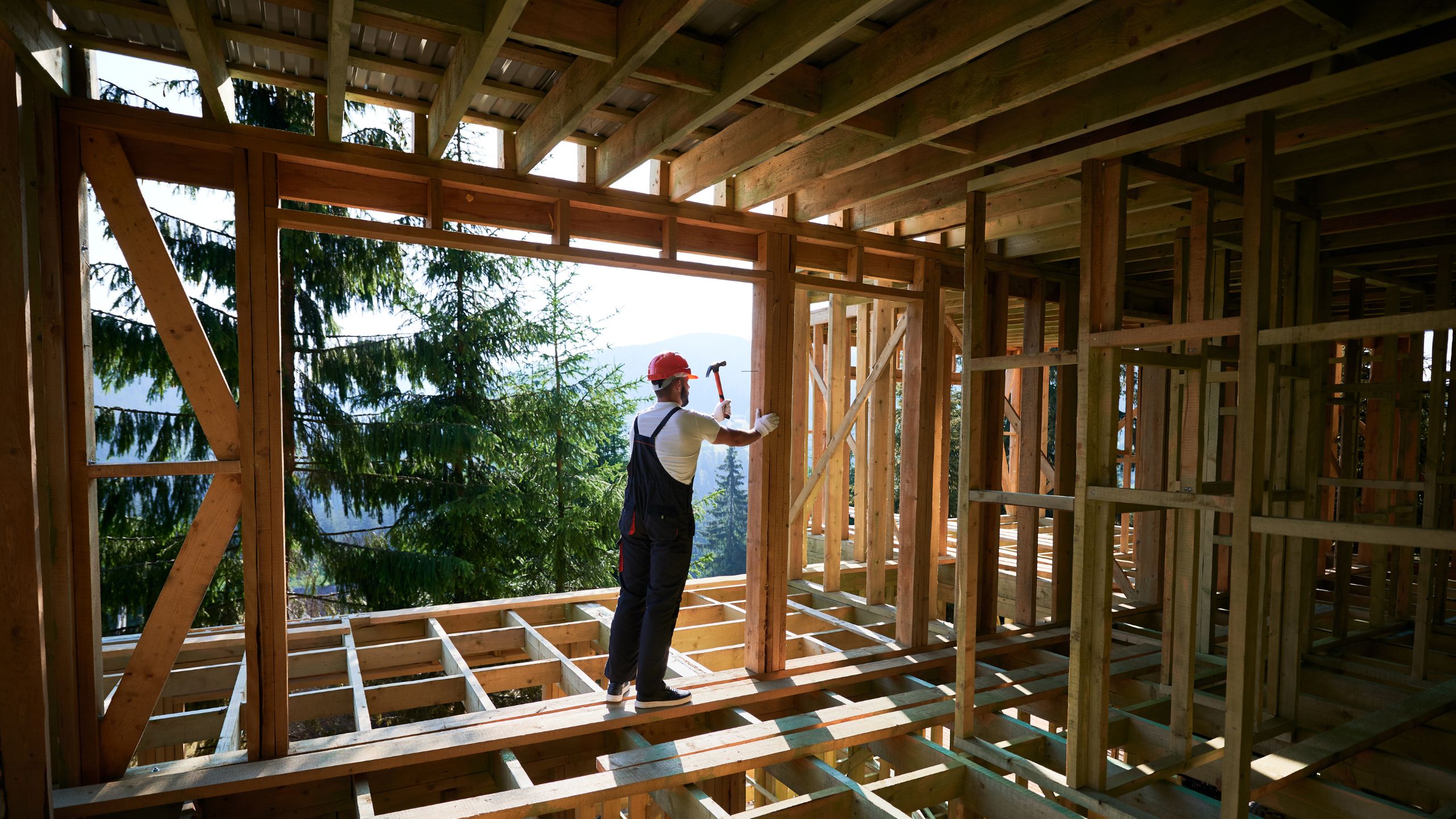
What if you could build a home that’s kind to the planet without having to compromise on strength, style, and innovation?
Welcome to the future of the building material industry—where all of that is becoming an inspiring reality. Across Australia, builders and homeowners are turning to materials that offer lower environmental impact—and yet better energy efficiency & long-term durability.
It’s a total win-win-win.
If you’re planning a new build or renovation, why not consider eco-friendly materials that truly walk the talk? From hempcrete blocks to engineered wood products, here’s everything you need to know about sustainable building materials in Australia.
What Are Sustainable Building Materials?
Sustainable building materials are those that minimise environmental harm through their production, use, and disposal. This could mean they’re made from renewable or recycled resources, they improve energy efficiency, or they generate fewer carbon emissions. Ultimately, sustainable house building materials aim to reduce the environmental footprint of construction while promoting healthier living environments.
Key characteristics of sustainable materials for building include:
Renewable or recycled origin
Low embodied energy (the total energy used to produce and transport them)
Energy efficiency during use (like insulation)
Non-toxic and safe for indoor environments
Durability and long lifespan
10 Sustainable Building Materials: Examples
Let’s take a look at sturdy, eco-friendly building materials that are becoming more widely used in Australia. Each one contributes to a greener, more resilient future in its own way.
1. Hempcrete
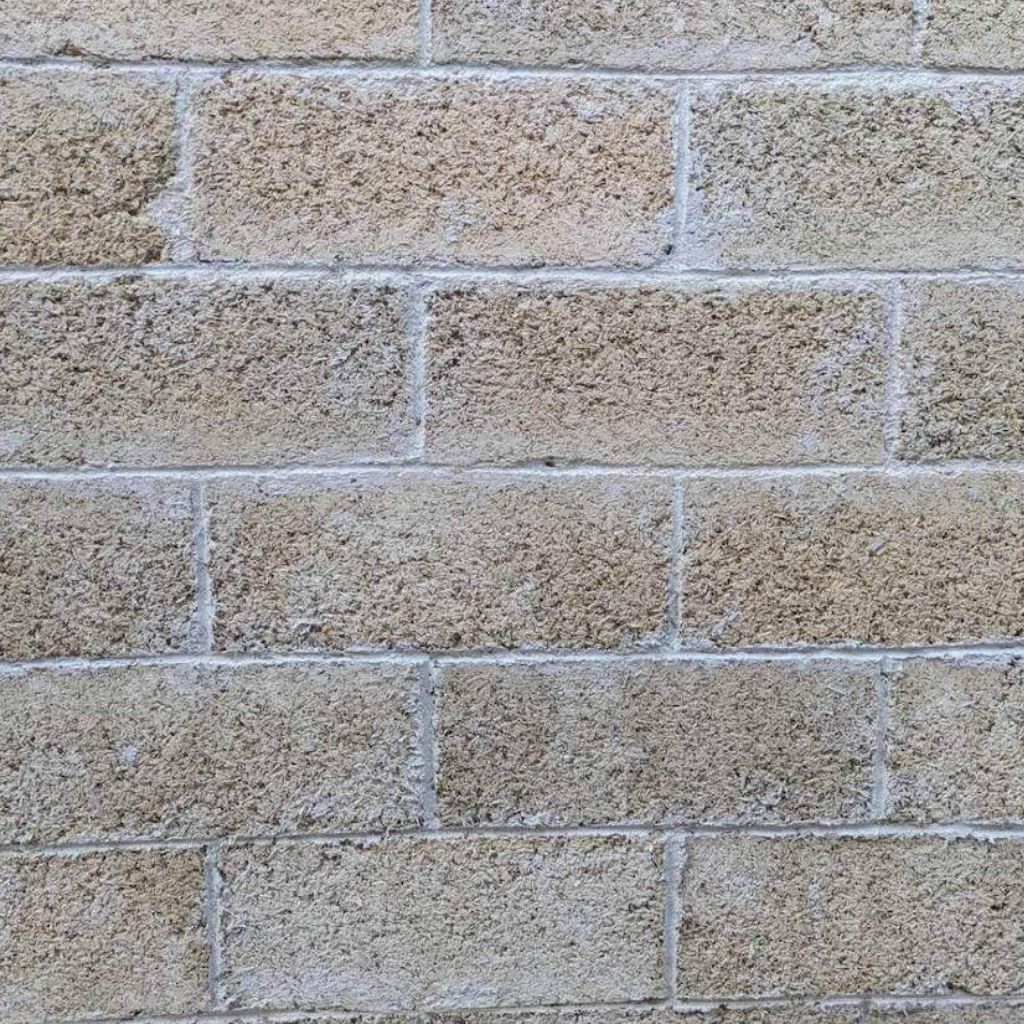
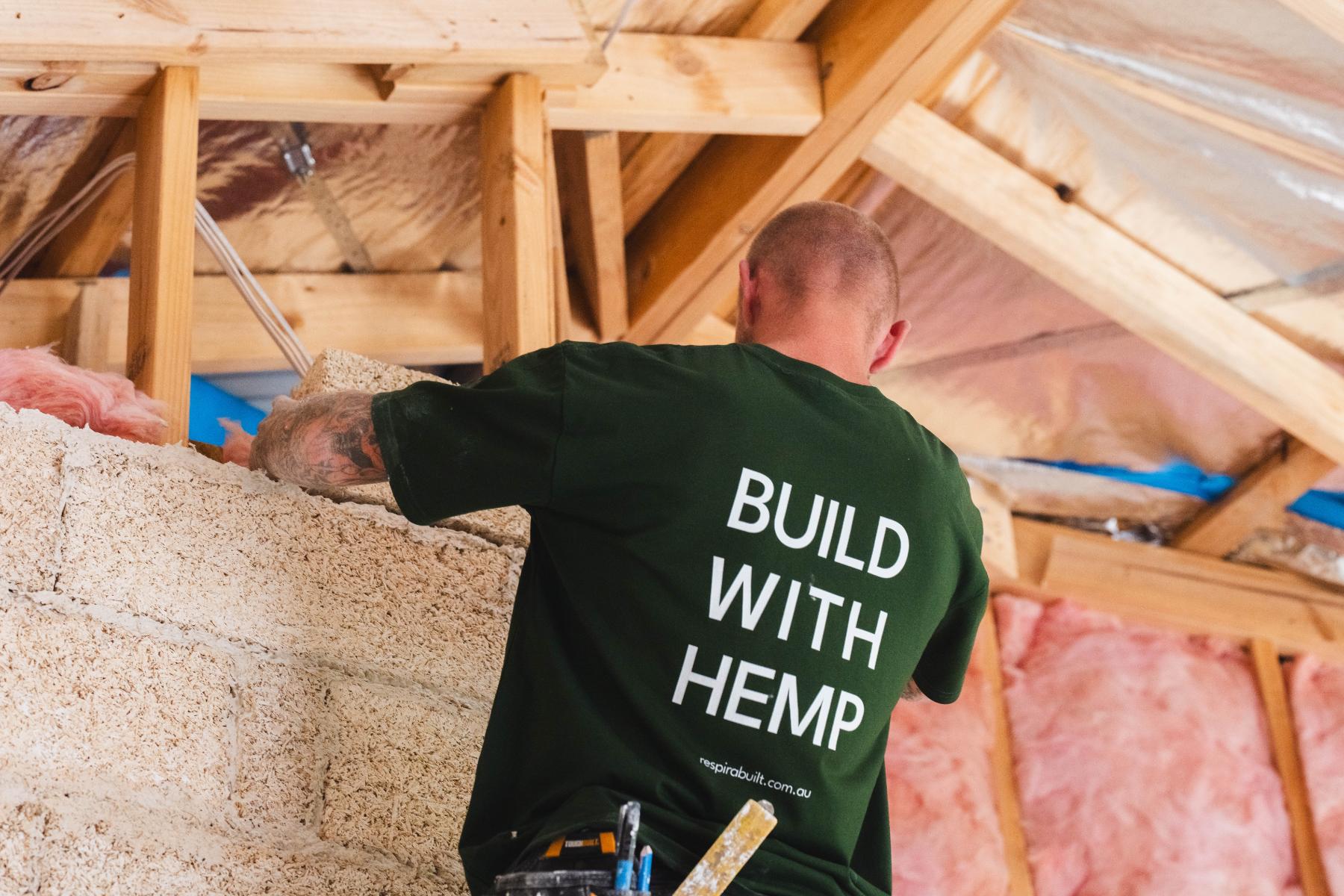
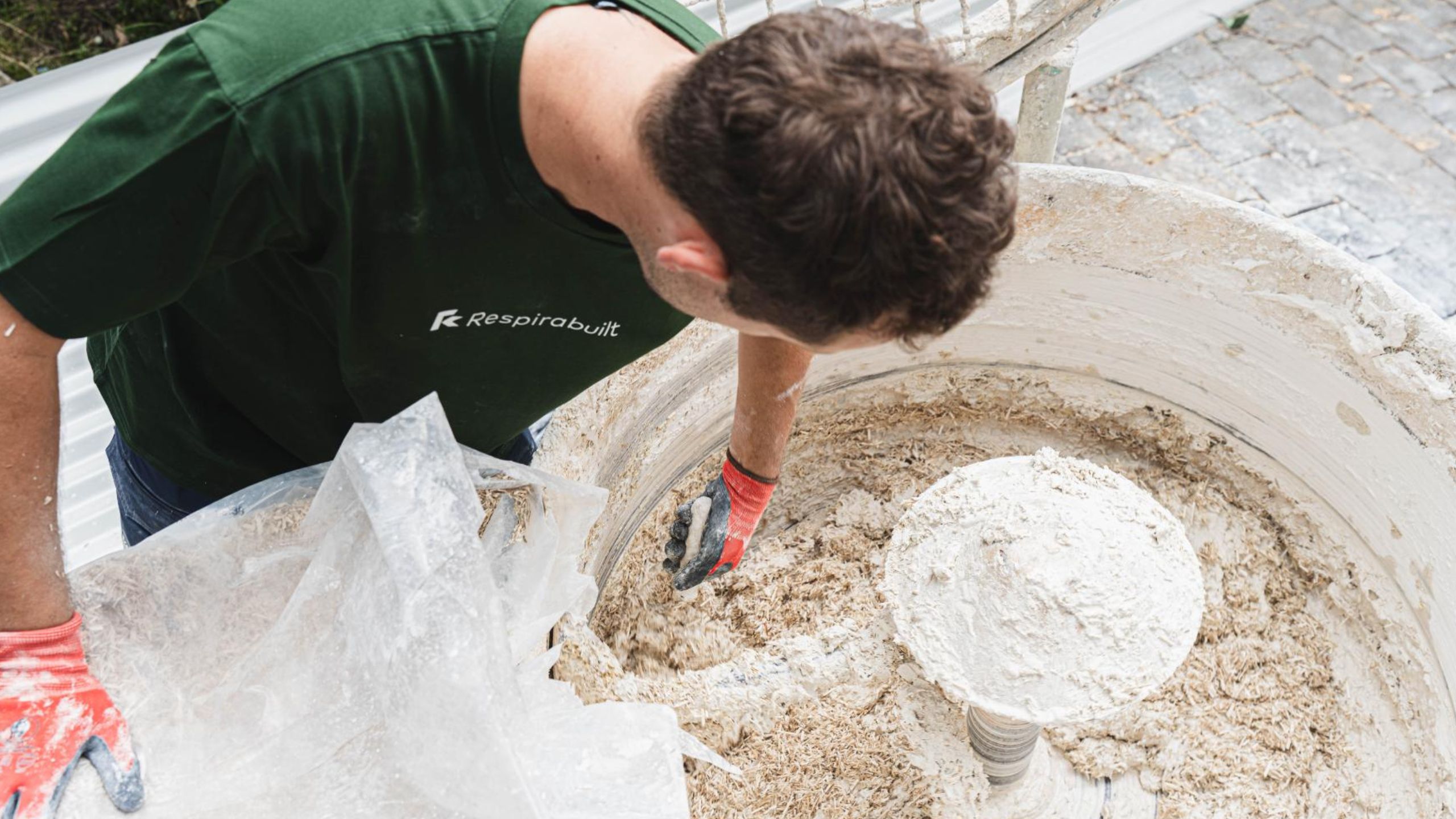
Kicking things off, we have the material that’s leading the pack: hempcrete—it’s quickly emerging as one of the most innovative sustainable building materials in Australia for plenty of fantastic reasons. Actively helping to combat climate change, this breathable, non-toxic material offers excellent thermal insulation that leads to more comfortable and energy-efficient homes year-round.
Carbon-negative: Absorbs more CO₂ than it produces
Excellent insulation: Reduces heating/cooling needs
Fire, mould, and pest resistant: Ideal for Australia’s varied climates
Breathable and healthy: Non-toxic and moisture-regulating
Locally sourced: Hemp and lime can be grown and processed in Australia
Lightweight and durable: Easy to build with and strengthens over time
Versatile: Works in homes, retrofits, and commercial builds
Common uses: Wall insulation, internal and external wall systems, and prefabricated blocks in residential and commercial construction.
2. Recycled Timber
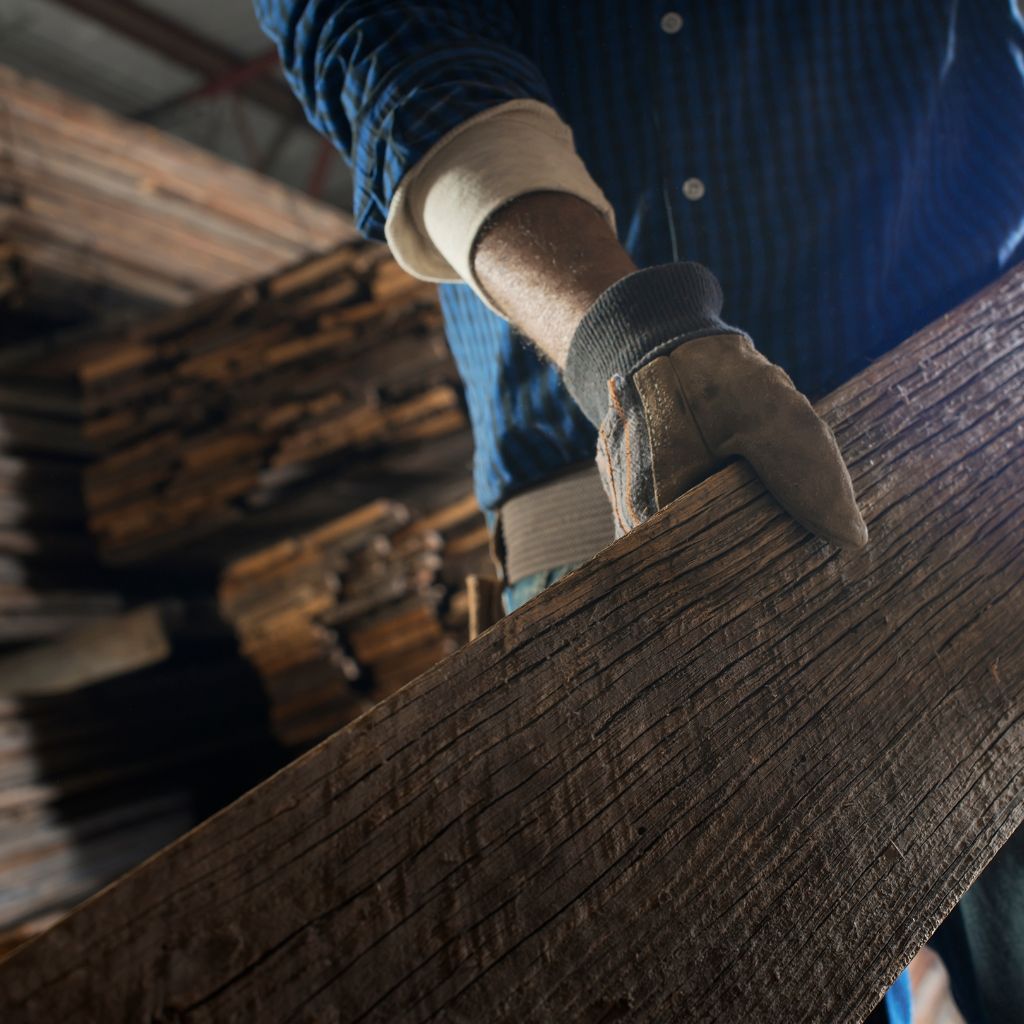
If you’re searching for eco-friendly solutions, it’s time to go timber. Reclaimed or recycled types are a brilliant choice for everything from framing to floors. It cuts down on deforestation, landfill waste, and gives beautiful character to any space.
Renewable and naturally insulating
Durable and strong
Readily available from demolition yards and recycling centres
Adds charm and uniqueness to interiors
Common uses: Flooring, framing, wall panelling, furniture, exposed beams, and decking.
3. Recycled Concrete
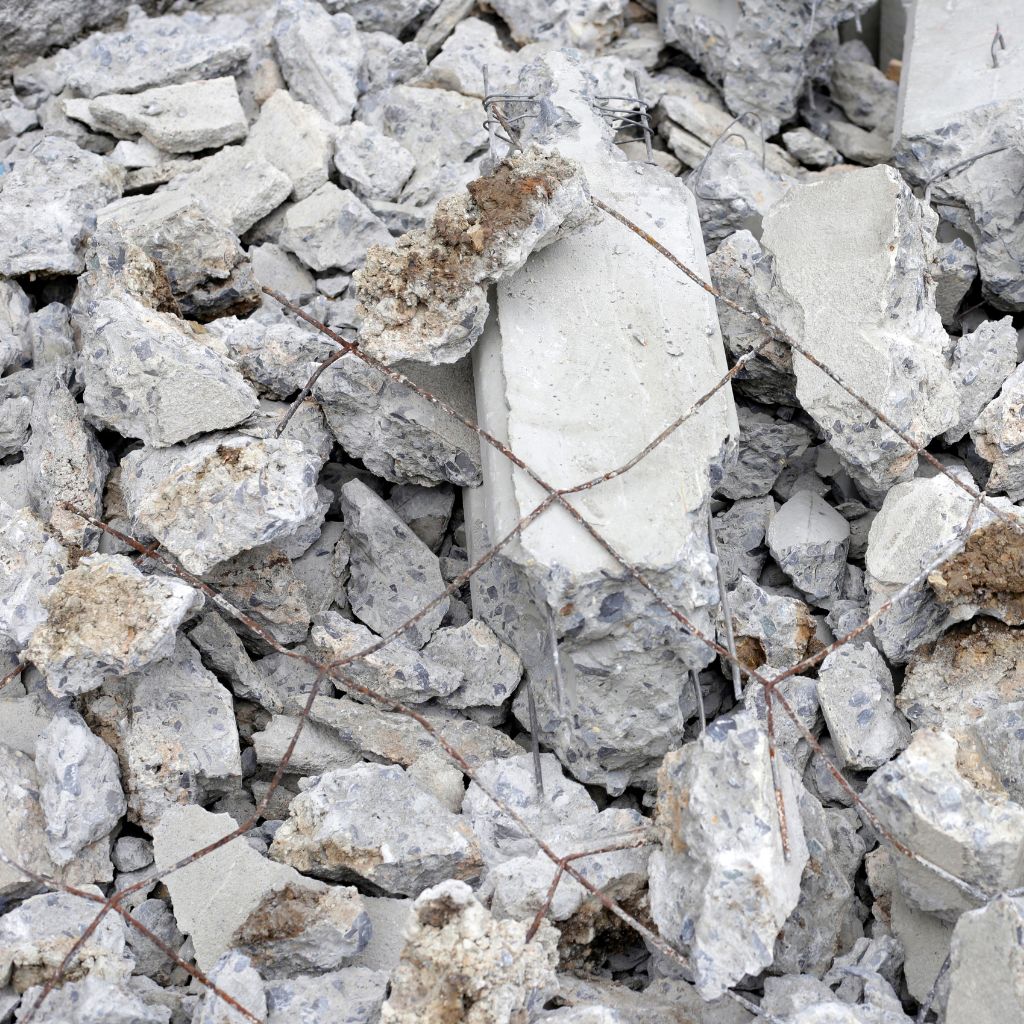
Concrete refuses to be left out of the recycling trend. Crushed concrete from old structures can be reused in roads, driveways, and even new slabs. It’s a strong, cost-effective way to reduce the use of new concrete.
Diverts waste from landfill
Strong and load-bearing
Available from local recycling facilities
Often used in civil and domestic applications
Common uses: Driveways, paving, garden retaining walls, structural fill, and sub-bases.
4. Recycled Steel
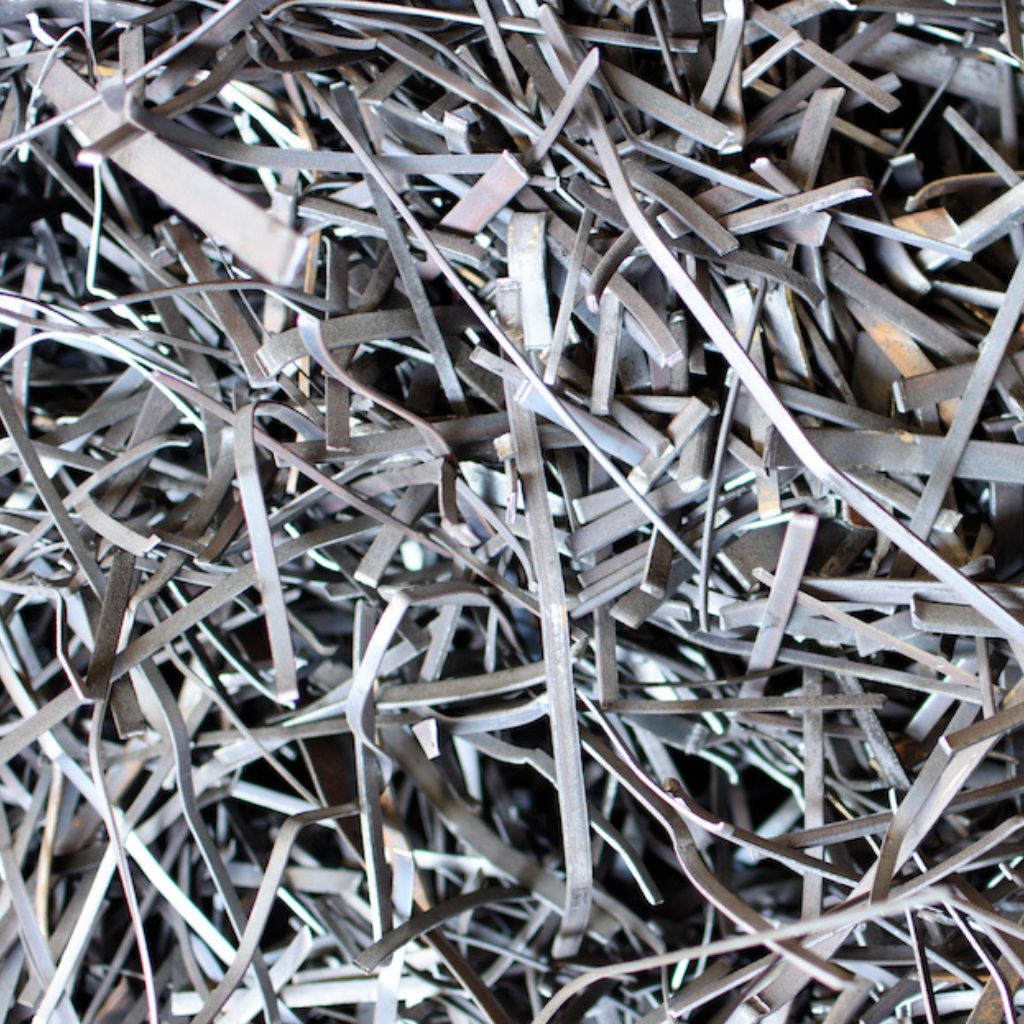
Steel still reigns as one of the most recyclable materials in the world. Using recycled steel reduces mining impacts and energy usage—all without losing its signature strength and fire resistance.
100% recyclable without loss of quality
Ideal for framing and structural elements
Highly durable and termite-proof
Reduces demand for raw ore
Common uses: Structural framing, roofing, reinforcements, and cladding.
5. Concrete with SCMs (Supplementary Cementitious Materials)
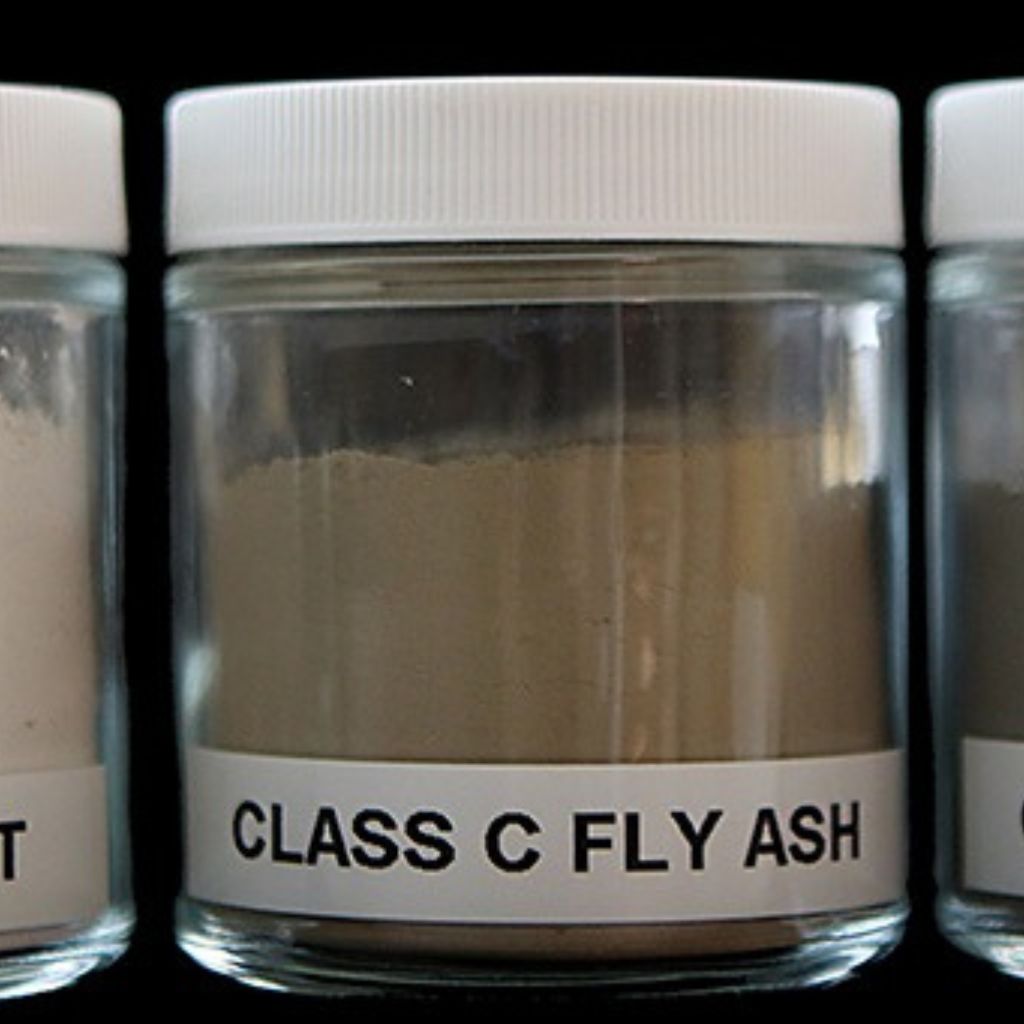
Using fly ash (a by-product from coal-fired power plants) or slag (a by-product of steel manufacturing) to partially replace cement significantly reduces the carbon footprint of traditional concrete mixes.
Lower emissions than conventional concrete
Retains structural strength
Readily available from commercial suppliers
Common uses: House slabs, foundations, footings, concrete walls, driveways, and garden paths.
6. Engineered Wood Products (CLT, LVL)
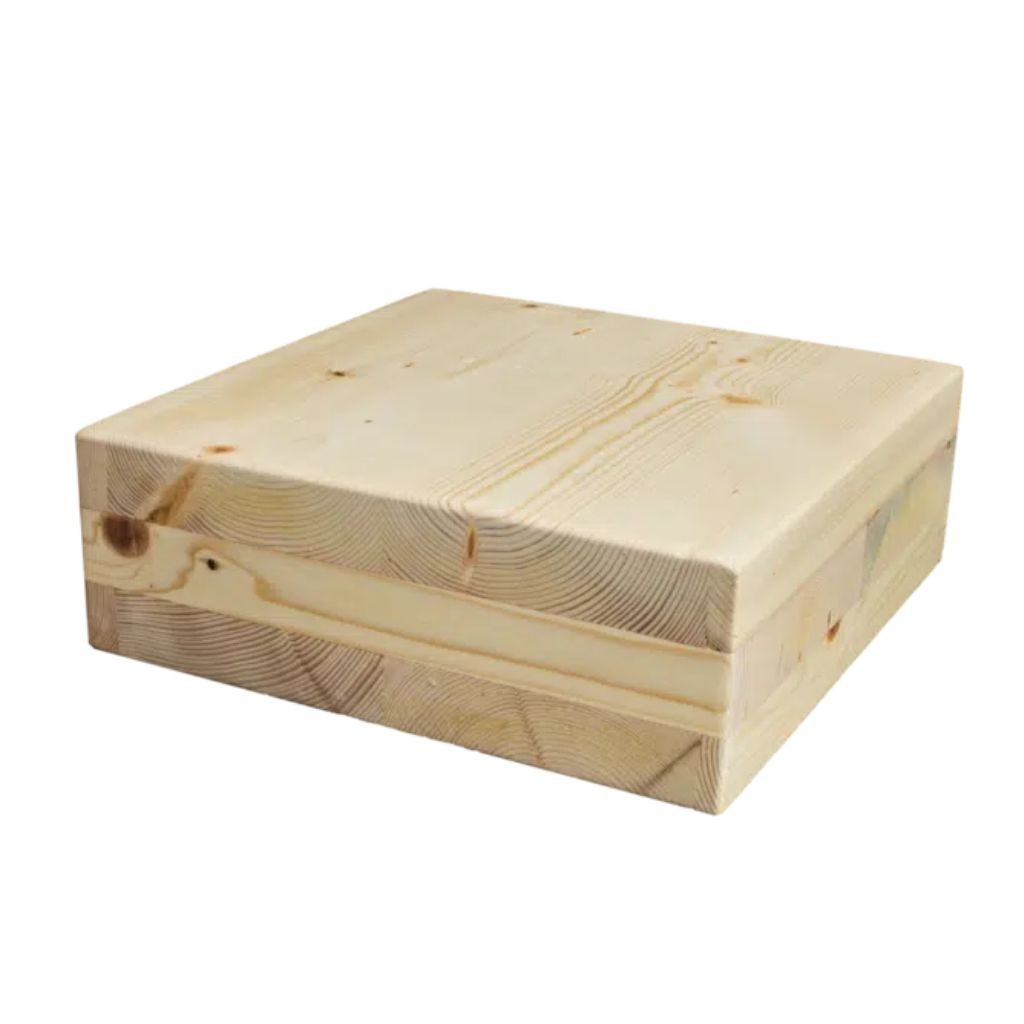
Fast growers are often much kinder to the planet. Cross-laminated timber (CLT) and laminated veneer lumber (LVL) use fast-growing softwoods to create structural elements.
Stronger than traditional timber
Reduces reliance on slow-growing hardwoods
Can be prefabricated for efficient builds
Common uses: Floor systems, framing, wall panels, roofing, beams, and multi-storey construction.
7. Aluminium (Recycled)
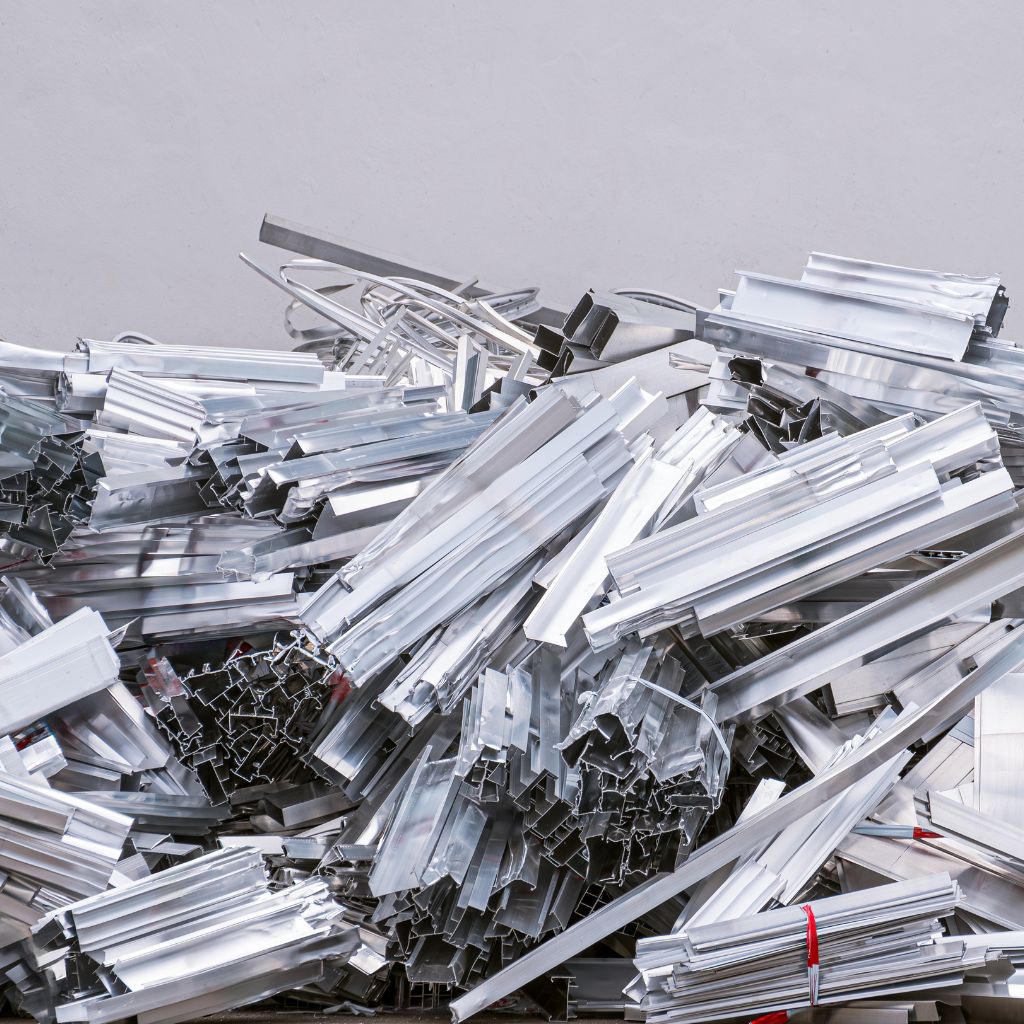
Being lightweight, rust-resistant, and endlessly recyclable, new aluminium is already very impressive. Wait till you meet recycled aluminium that uses 95% less energy than new production.
Long lifespan and low maintenance
Corrosion-resistant and modern in appearance
Cuts down mining and processing impact
Common uses: Window and door frames, curtain walls, cladding, and decorative panels.
8. Fibre Cement Cladding (Low Silica)
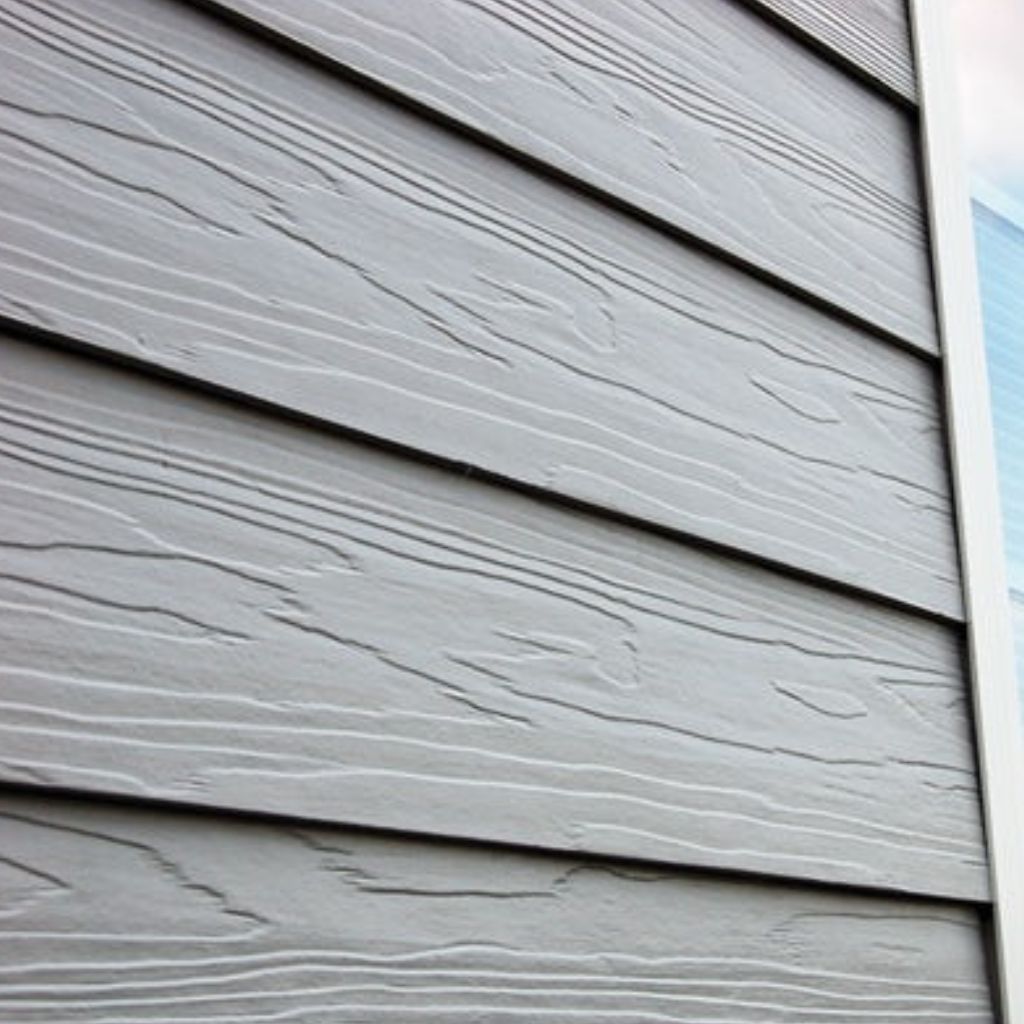
Fibre cement boards are tough, weatherproof, and fire-resistant. Look for brands that reduce silica and use recycled content to create safer alternatives.
Low maintenance and versatile in appearance
Popular in modern and coastal homes
Common uses: External & interior cladding, internal feature walls, eaves, and wet area linings.
9. Energy-Efficient or Recycled Glass
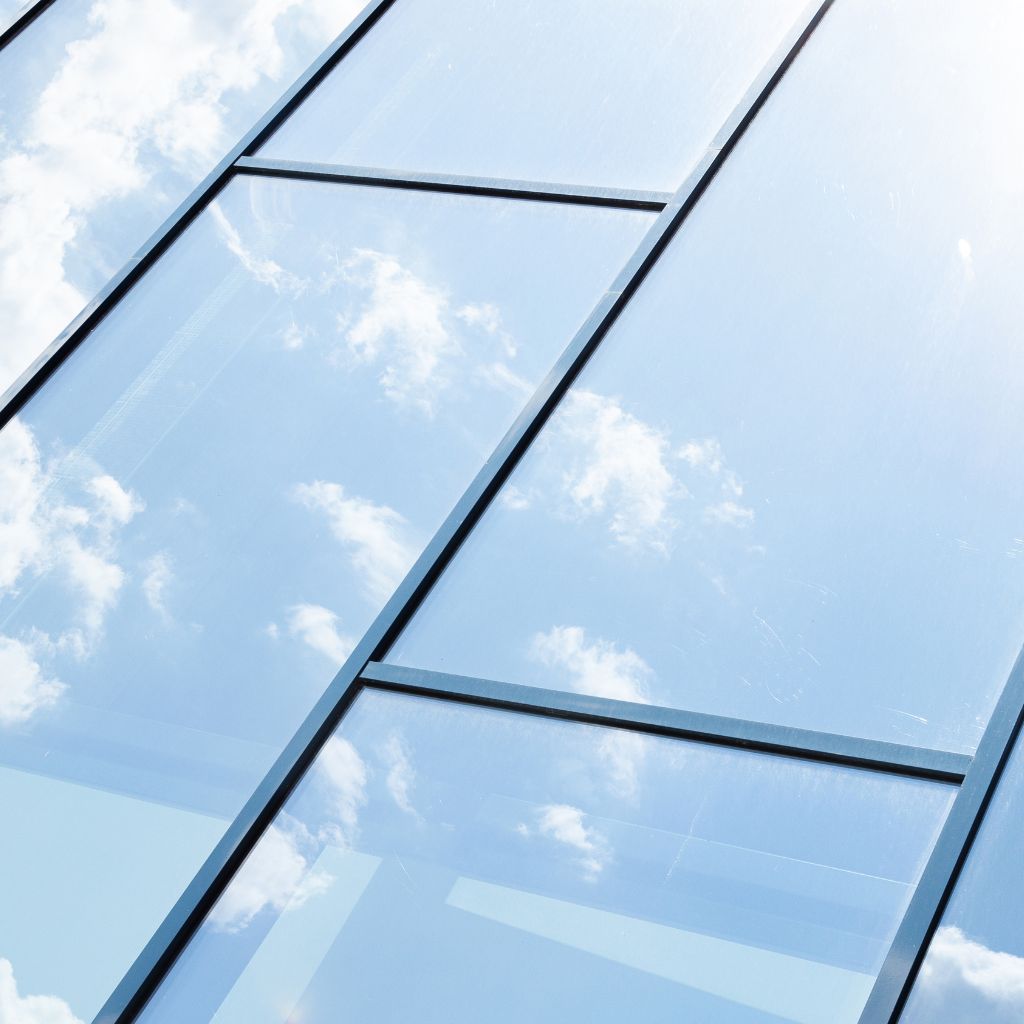
You can’t possibly complete a construction project without a bit of glass. It’s everywhere in construction—from windows to splashbacks. Using recycled or high-performance glass improves both sustainability and comfort.
Lets in natural light while maintaining insulation
Some types include UV and thermal coatings
Available with recycled content
Great for passive solar design
Common uses: Windows, skylights, balustrades, shower screens, splashbacks, and facades.
Sustainable Building Materials Comparison Chart
Material | Sustainability Score | Insulation | Fire Safety | Breathability | Durability | Carbon Footprint |
|---|---|---|---|---|---|---|
Hempcrete | ★★★★★ | ★★★★★ | ★★★★★ | ★★★★★ | ★★★★★ | Negative (Carbon-sequestering) |
Recycled Timber | ★★★★☆ | ★★★☆☆ | ★★☆☆☆ | ★★★★☆ | ★★★★★ | Low |
Recycled Concrete | ★★★★☆ | ★★☆☆☆ | ★★★★☆ | ★★☆☆☆ | ★★★★★ | Medium (lower than new concrete) |
Recycled Steel | ★★★★☆ | ★☆☆☆☆ | ★★★★★ | ★☆☆☆☆ | ★★★★★ | Medium (but fully recyclable) |
Concrete with SCMs | ★★★★☆ | ★★☆☆☆ | ★★★★☆ | ★★☆☆☆ | ★★★★★ | Medium-Low (uses waste products) |
Engineered Wood (LVL, CLT) | ★★★★☆ | ★★★☆☆ | ★★☆☆☆ | ★★★☆☆ | ★★★★☆ | Low |
Aluminium (Recycled) | ★★★☆☆ | ★☆☆☆☆ | ★★★★★ | ★☆☆☆☆ | ★★★★★ | Medium (95% less if recycled) |
Fibre Cement Cladding | ★★★☆☆ | ★★☆☆☆ | ★★★★☆ | ★☆☆☆☆ | ★★★★☆ | Medium-Low (if low-silica, recycled) |
Glass (Recycled or Energy-Efficient) | ★★★☆☆ | ★★★★☆ | ★★☆☆☆ | ★★☆☆☆ | ★★★★☆ | Medium |
Start Building Sustainably with Respirabuilt
Building sustainably in Australia is no longer a challenge—it’s a smart choice and a shiny opportunity to cut back on future costs. When it comes to the best, new sustainable building materials, Hempcrete by Respirabuilt never fails to take the lead.
Use our hempcrete cost calculator to get an estimate. Price your walls with our calculator today to get started.
Take a look at our other blogs: