Hempcrete Blocks vs Bricks: A Comprehensive Cost and Efficiency Analysis
Read our blog comparing hempcrete blocks vs bricks. Discover how hempcrete blocks compare to bricks in cost and installation time.
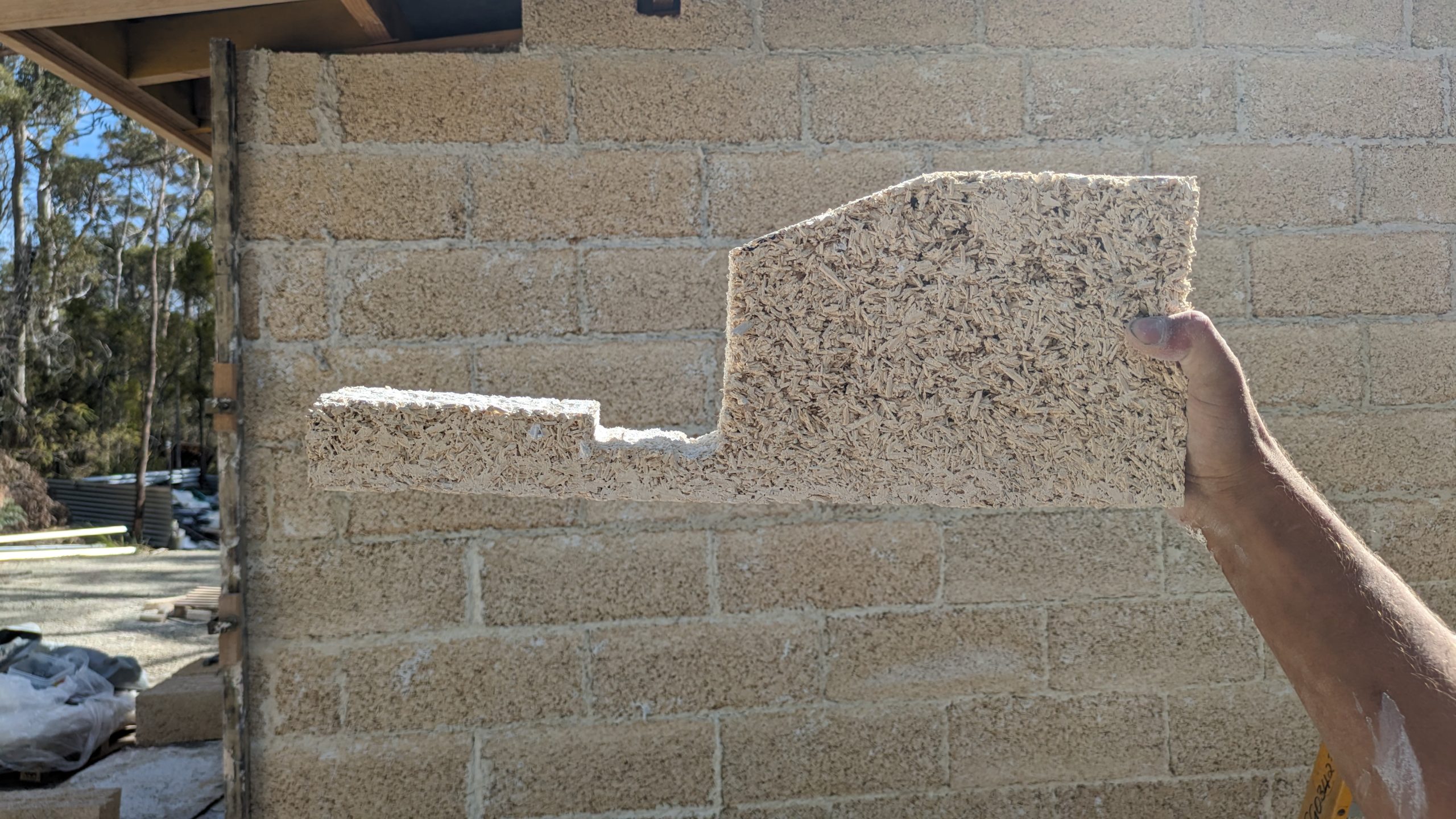
Case Study: Chris Nunnock’s Hempcrete Veneer Home
When constructing a home and considering the Hempcrete Blocks vs Bricks situation, considerations such as cost, labor, and efficiency are paramount. This analysis delves into a real-world application by examining Chris Nunnock’s 292m² hempcrete block veneer home, comparing it to a hypothetical scenario utilising traditional brickwork.
Project Overview: Chris Nunnock’s Home
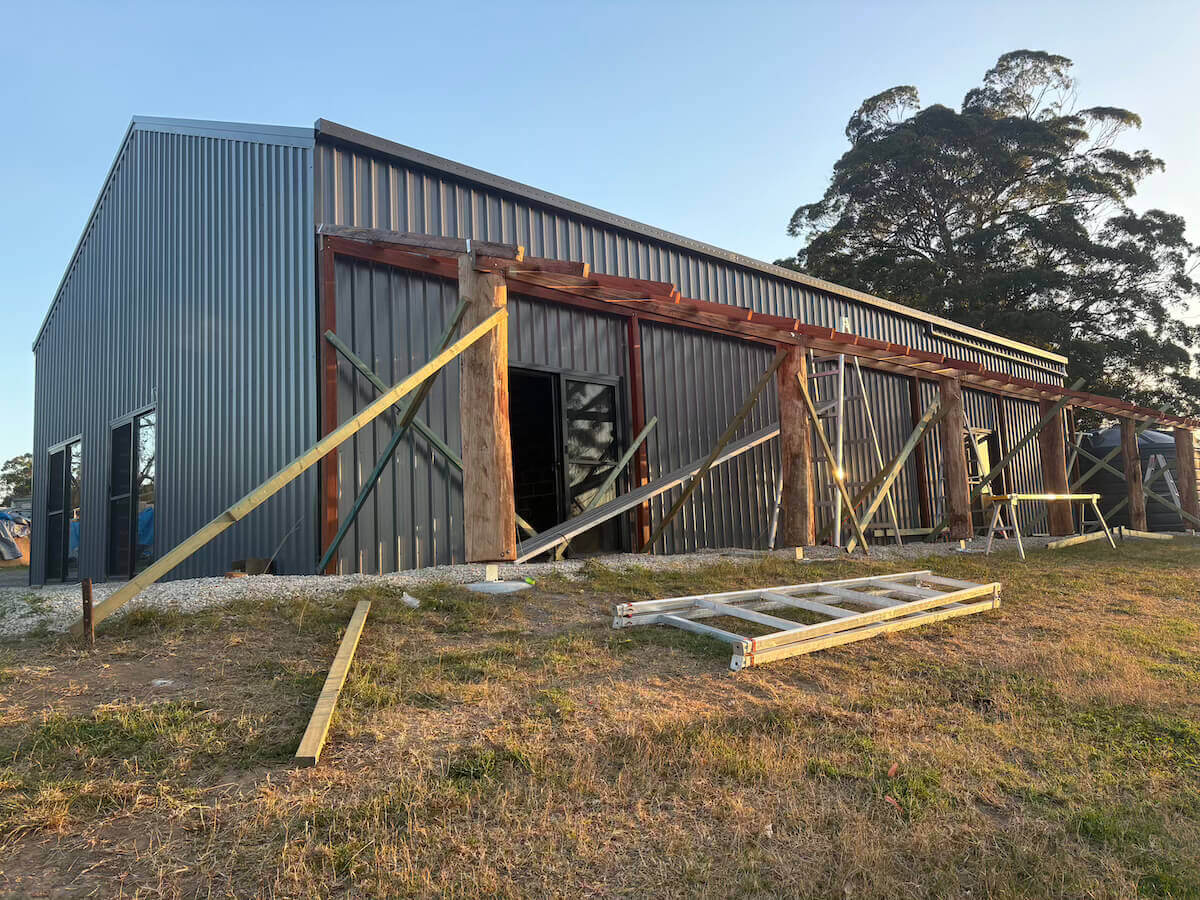
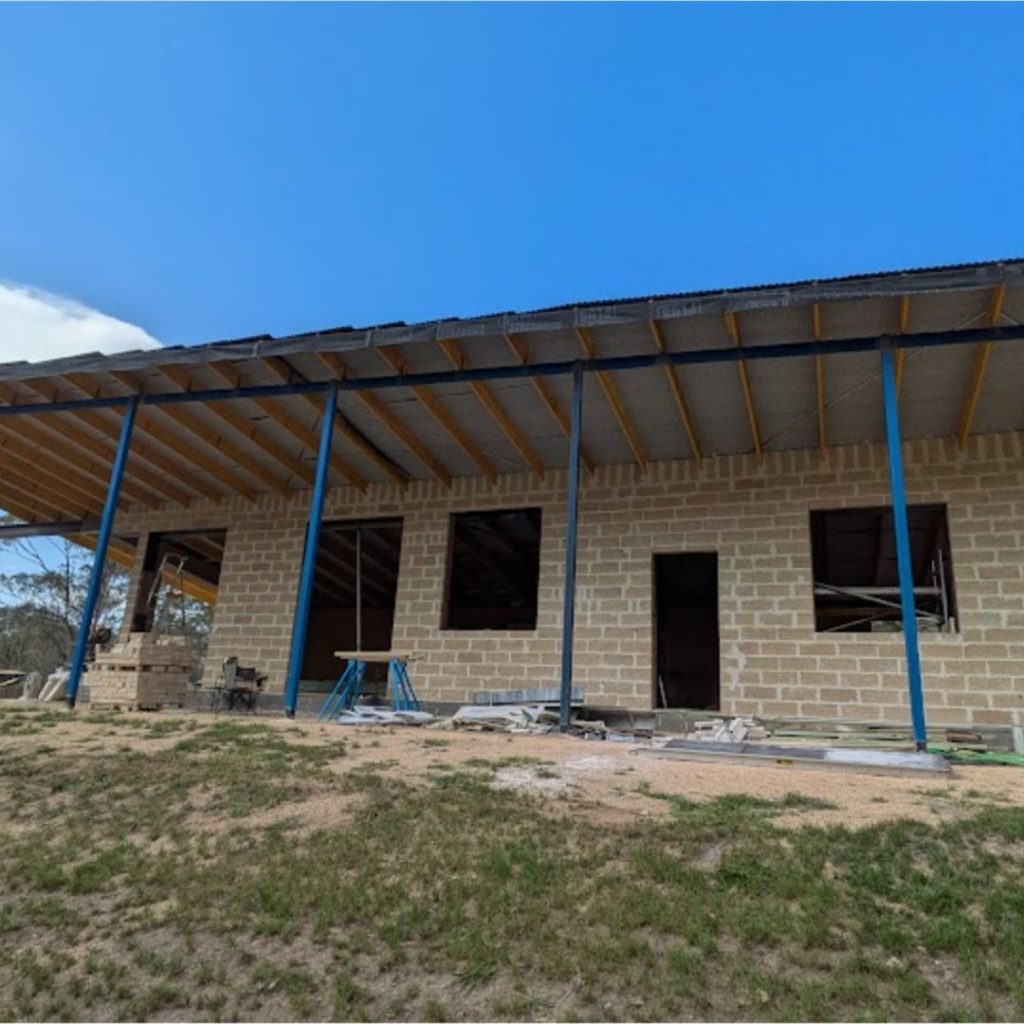
Chris’s residence required 292m² of wall area for a hemp block veneer, with certain walls reaching heights of up to four meters. Such elevations present challenges in veneer construction, particularly when extending up to the eave.
Significance of Wall Height
In Australia, brick veneer homes typically feature block work up to 2.7 meters (the standard first-floor ceiling height). One of the major reasons for this limitation is due to the substantial weight of the bricks, making manual lifting beyond this height labor-intensive and challenging. In Chris’s project, approximately one-third of the walls exceeded 2.7 meters, which would have posed significant physical demands if traditional bricks were employed. Herein lies a notable advantage of hemp blocks in mitigating labor intensity.
Material Weight Considerations: Hemp Blocks vs. Standard Bricks
Assessing the total weight of materials required for this project provides insight into the practical benefits of hemp blocks over standard bricks.
Standard Brickwork Weight Calculation
Weight per m²: Standard brickwork weighs approximately 300kg per m².
Wall area above 2.7 meters: 100m².
Total weight to be lifted to 4 meters: 100m² × 300kg/m² = 30,000kg (30 tonnes).
This equates to manually lifting the weight of a fully loaded semi-truck over the course of the build.
Hempcrete Block Weight Calculation
Weight per m²: Hemp blocks weigh approximately 50kg per m².
Wall area above 2.7 meters: 100m².
Total weight to be lifted to 4 meters: 100m² × 50kg/m² = 5,000kg (5 tonnes).
This represents an 83% reduction in weight lifted, significantly easing the physical demands on labourers and expediting the installation process.
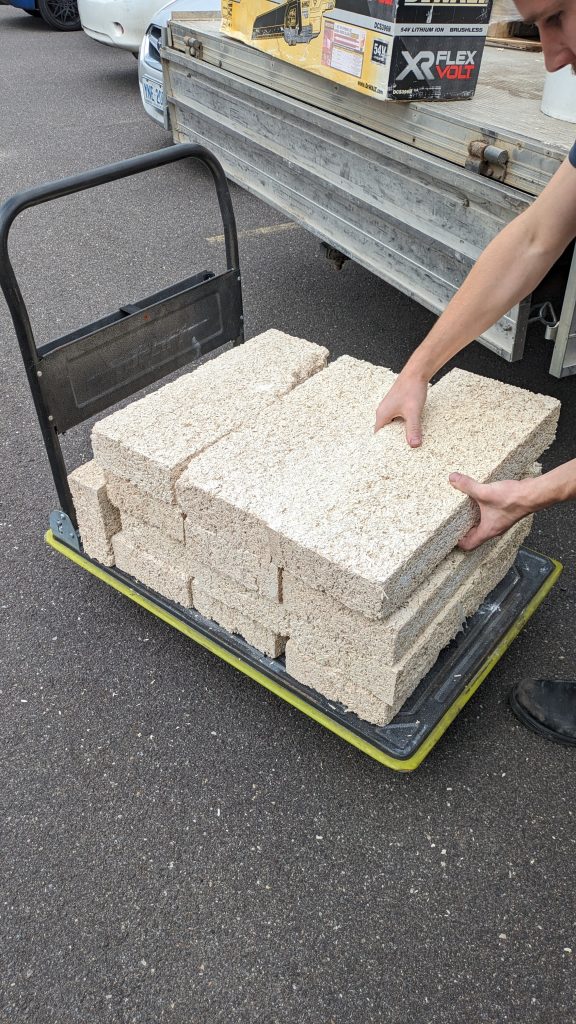
Moving Hempcrete Blocks around is light and easy.
Labor Analysis: Hemp Blocks vs. Standard Bricks
The block work for Chris’s project spanned 12 labor days, encompassing setup and pack-down, executed by a team comprising:
1 skilled bricklayer: $85 per hour.
2 labourers: $45 per hour each.
Workday duration: 8 hours.
Total Labor Cost for Hempcrete Block work
Bricklayer cost: $85 × 8 hours × 12 days = $8,160.
Labourers cost (per individual): $45 × 8 hours × 12 days = $4,320.
Total laborer cost: $4,320 × 2 = $8,640.
Aggregate labor cost: $8,160 + $8,640 = $16,800.
Installation Rate
Typically, hemp blocks are installed at a rate of 35m² per day. Considering the increased wall heights in this project, the team maintained an impressive daily installation rate, underscoring the practicality of hemp blocks in demanding construction scenarios. On average, the team installed approximately 24.3m² per day (292m² ÷ 12 days), which is commendable given the challenging conditions.
Hypothetical Scenario: Utilising Standard Bricks
Labor Cost for Standard Bricks
Bricklaying rate: Industry standard is 400–500 bricks per day per bricklayer.
Bricks per m²: Approximately 48 bricks.
Bricklaying cost per m²: Ranges from $65 to $85 per m².
Using an average cost of $75 per m², the total labor expense for 292m² would be:292m² × $75 = $21,900.
This reflects an additional $5,100 in labor costs compared to the hempcrete block approach, exclusive of supplementary expenses such as scaffold hire, potential delays due to worker fatigue, and the logistical challenges associated with lifting 30 tonnes of bricks to elevated positions.
At a rate of 400–500 bricks per day per bricklayer, with 48 bricks per m², and assuming two bricklayers laying while one laborer mixed mortar and carried bricks, the job would have taken approximately 18–20 days, compared to 12 days for hempcrete blocks.
Scaffold Hire Costs
Given the wall heights reaching up to 4 meters, scaffolding would be essential. Based on industry averages, scaffold hire costs approximately $250 to $400 per week. As discussed, the hempcrete blocks install was estimated to have taken one less week than standard blockwork, and thus a saving of $400 was accrued. This is just one of the flow-on effects and costs of a longer build time, which are always greatly underestimated.
Material Cost Comparison: Hempcrete Blocks vs. Standard Bricks
Hempcrete Blocks
Blocks per m²: Approximately 9
Cost per brick: Approximately $11.6
Cost per m² (including mortar): $105.
Total material cost for 292m²: 292m² × $105/m² = $30,660.
Standard Bricks
Bricks per m²: Approximately 48.
Cost per brick: Approximately $1.50.
Material cost per m²: 48 bricks × $1.50 = $72.
Total material cost for 292m²: 292m² × $72/m² = $21,024.
While the initial material cost for hempcrete blocks is higher, the overall savings in labor and associated expenses present a compelling case.
Additional Advantages of Hempcrete Blocks
1. Ease of Handling at Heights
The reduced weight and larger dimensions of hempcrete blocks result in fewer units to manage, diminishing worker fatigue and enhancing installation efficiency. Specifically, hemp blocks require only 9.2 units per m², whereas standard bricks necessitate approximately 48 units per m².
Think about it visually for a minute: Imagine laying 9 large blocks vs. 48 small bricks for every square meter of wall. It’s the difference between moving a few good sized easy to handle items vs. stacking several dozen of small, heavy objects—a massive reduction in handling time and effort.
2. Improved Thermal Performance
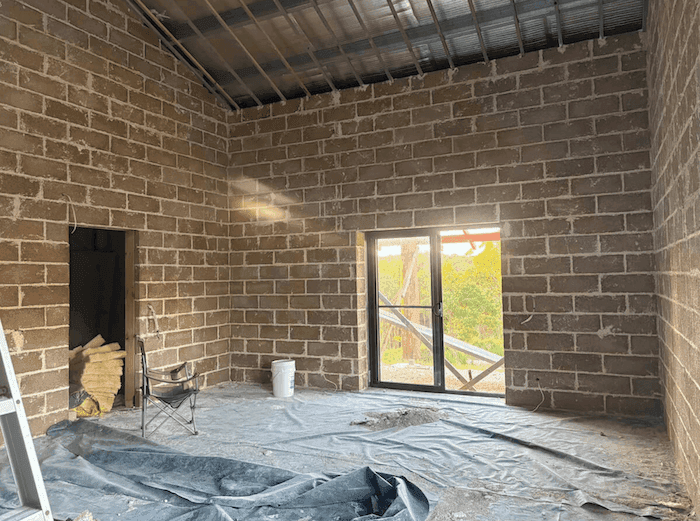
Chris’ home incorporated a “soldier” course—a vertical hemp block installation near the eaves—to block heat transfer into the house. With bricks, this would have required significant cutting and extra labor. With hempcrete blocks, the work was quick and seamless.
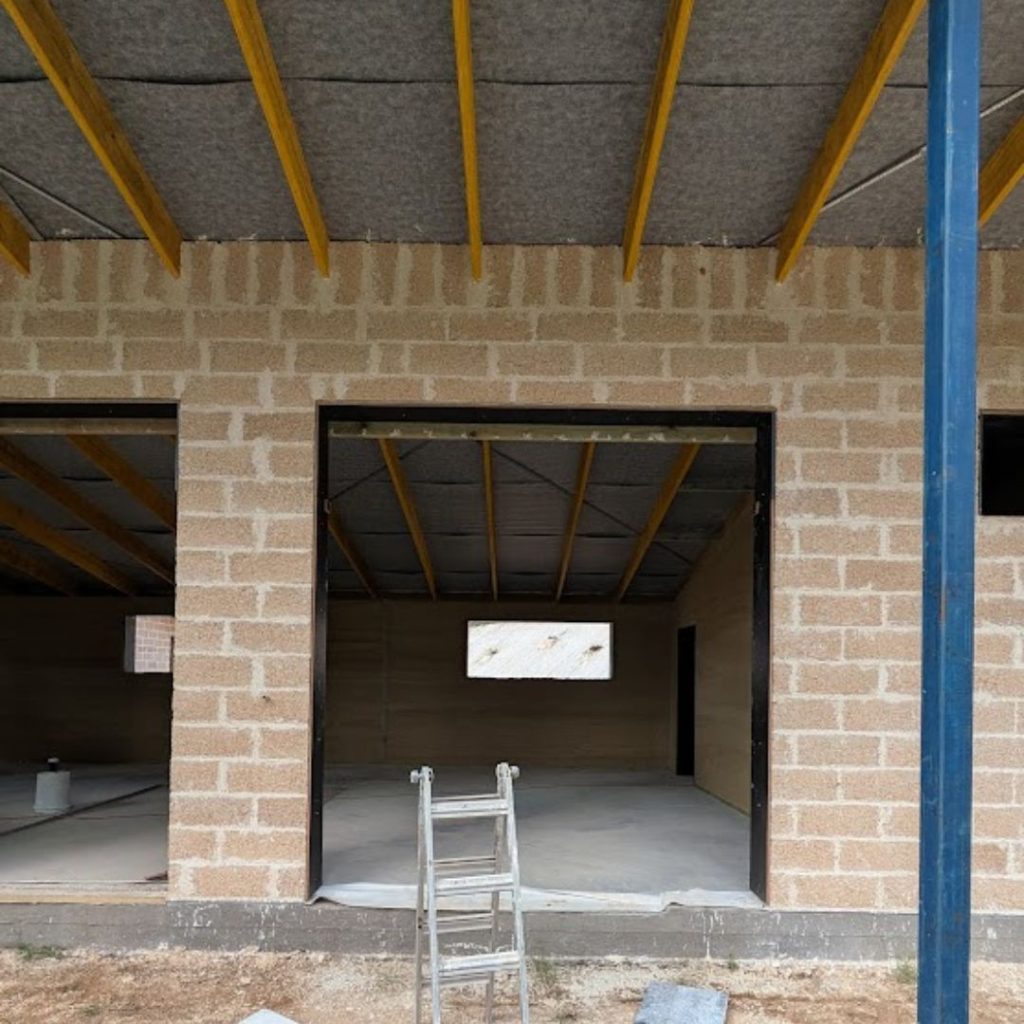
Soldiered hempcrete blocks under eaves—achievable with minimal cutting and labor.
3. Cutting and Angled Roof Adjustment
Another major advantage was the ease of cutting. Chris’ home had a skillion roof at a 10-degree angle, meaning a lot of custom cutting was required to fit the blocks neatly.
Hempcrete blocks were easily cut using standard woodworking tools.
Bricks would have required wet saws, making the process slower, dustier, and more labor-intensive.
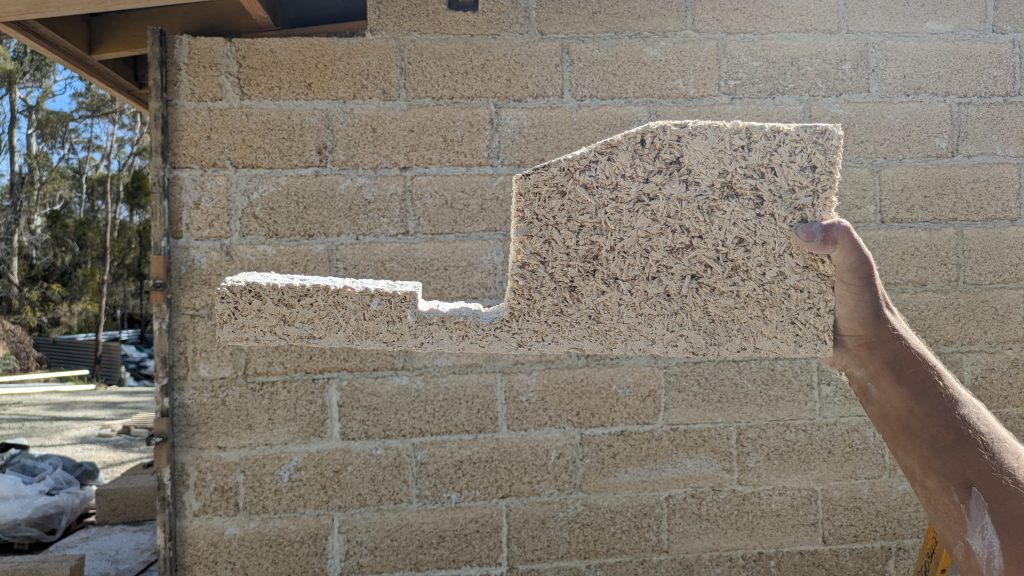
Hempcrete blocks shaped to fit a sloped roof or even cut around rafters with minimal waste and effort.
4. Insulative Mortar vs. Conductive Brick Mortar
Hempcrete mortar contains hemp, adding an insulative quality to the wall.
Standard brickwork mortar makes up 10% of a wall and is highly conductive, allowing heat to pass through.
The result? Hempcrete walls reduce energy loss, keeping homes cooler in summer and warmer in winter.
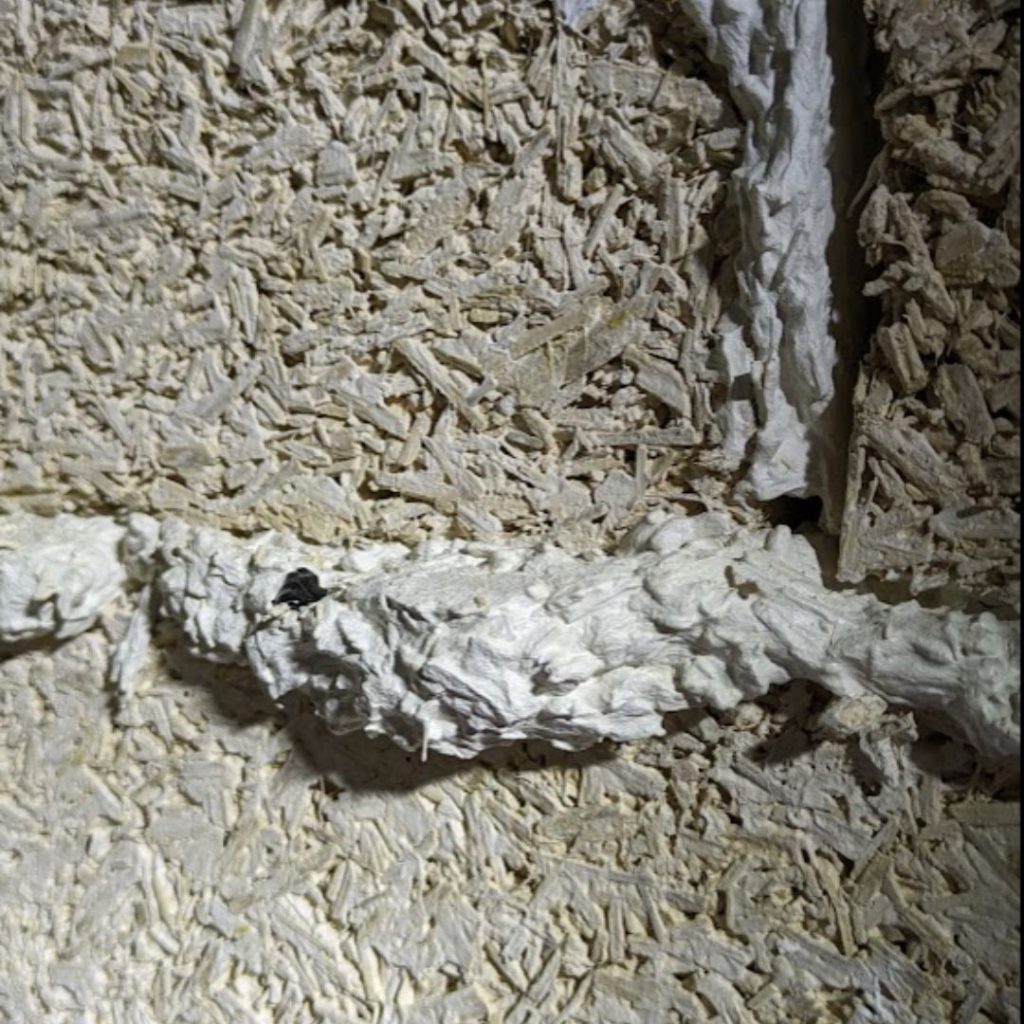
Unlike standard mortar, hemp-based mortar enhances insulation, reducing heat transfer.
Final Cost Comparison: Hempcrete Blocks vs Bricks
Factor | Hempcrete Blocks | Standard Bricks |
Labor Cost (292m²) | $16,800 | $21,900 |
Scaffold Hire | Two weeks hire | Three weeks hire |
Weight Lifted (100m² at 4m height) | 5 tonnes | 30 tonnes |
Cutting Tools Required | Handsaw, basic woodworking tools | Wet saw, heavy-duty brick cutters |
Daily Installation Rate | 30-35m² per day (actual 24.3m²) | 8-12m² per day at 4m height |
Materials Cost (292m²) | $30,660 | $21,024 |
Total Estimated Cost (Labor + Materials) | $47,460 | $44,424 |
Conclusion: Why More Builders Are Switching to Hempcrete Blocks vs Bricks
Chris’ project proves the real-world benefits of hempcrete over standard bricks:
✔ Lower labor costs – $5,100 saved on labor alone.
✔ Easier manual handling – An 83% reduction in lifting weight.
✔ Better insulation – Long-term energy savings due to reduced heat transfer.
✔ Faster build time – Fewer blocks per m² and easier cutting reduce installation delays.
While the initial material cost of hempcrete blocks is higher, the lower labor costs, ease of handling, and better energy efficiency result in a better overall investment for builders and homeowners.
Accurate budgeting is paramount when planning your project. Our hemp block cost calculator helps you factor in all expenses—from materials to installation costs—ensuring you plan confidently and avoid surprises along the way.
Get your tailored estimate now with our Hemp Block Cost Calculator.
📩 DM us on Instagram @Respirabuilt
🌍 Visit www.respirabuilt.com.au