What Is R-Value? Why Insulation Ratings Matter in Homes
What R-value really means, how insulation affects comfort and energy use, and why materials like hempcrete behave differently in real buildings.
What Is R-Value? Why Insulation Ratings Matter in Homes
When you turn the heater on during winter, the air in your home warms up fairly quickly. The thermostat climbs to the number you set, and technically, the room is now “at temperature.” What determines whether that warmth actually stays there, however, has less to do with the heater and far more to do with the walls around you.
Heat is always moving. In colder months, it travels from the warm interior of your home toward the cooler outdoor air. In summer, the direction reverses, and external heat pushes inward. The building envelope, which includes your walls, roof, and floor, slows that movement. How effectively it does that job is measured by something called the R-rating.
R-rating is one of the most important performance indicators in residential construction, yet it is rarely discussed outside technical documents and is hard to understand for the lay person. Understanding it changes how you think about comfort, energy use, and long-term durability.
Building standards have gradually pushed homes to perform better thermally, which is why insulation levels today are higher than they used to be.
One of the ways builders describe insulation performance is with something called an R-value. It’s simply a measure of how stubborn a material is about letting heat through. The higher the R-value, the harder it is for heat to sneak through.
What an R-Value Measures
Imagine stepping outside on a cold day wearing a thin jacket. You’ll stay warm for a while, but heat escapes quickly. Swap that jacket for a thick insulated coat and the warmth stays with you much longer. Both cover you, but the thicker layer slows the loss of heat.
Building materials work the same way.
An R-rating measures how well a material slows the movement of heat. In plain terms, it describes how difficult it is for heat to pass through a material. The higher the R-value, the harder it is for heat to pass through.
It measures how quickly heat moves through a material over time. Because heat is constantly moving through walls, roofs, and floors, the resistance of those surfaces plays a major role in how stable your indoor temperature remains.

Why R-Rating Matters in Practice
Energy Costs
When the R Value (thermal resistance) is low, that exchange happens more rapidly, and mechanical systems must operate at higher capacity to maintain a stable internal temperature.
You can picture it like holding a hot mug. If the cup is thin, heat passes through the mug quickly, and the drink cools down faster. If the cup is thick or insulated, heat moves through the material more slowly, so the drink stays warm longer. Essentially, heat will always try to escape and distribute itself to the cold around it.
Walls behave in much the same way. In homes with low R-value envelopes, heat moves through the walls more easily, meaning the energy used to heat or cool the building is lost more quickly.
Over the life of a building, even modest improvements in R-value can lead to meaningful reductions in energy use. Insulation, therefore, influences not only construction cost, but also the long-term cost of living in the home.
Good insulation helps keep the inside face of the wall closer to the temperature of the room. When that happens, the space feels comfortable.
Laboratory Ratings and Real-World Conditions
R-values are measured under controlled laboratory conditions. Materials are tested dry and in stable environments, so different products can be compared fairly. This makes the rating system useful because it gives builders and designers a consistent way to compare materials.
Real buildings, however, don’t behave like laboratories. Moisture moves throughout the building. Everyday activities such as cooking, showering, and even breathing release water vapour into the air, and some of that moisture slowly moves through the walls of a building.
When insulation becomes damp, heat moves through it more easily. Water transfers heat faster than air. A simple way to picture this is what happens after a shower. If you stay wet, you begin to feel cold quickly because the water on your skin pulls heat away from your body.
The same principle applies to insulation. When it becomes wetter, heat escapes more easily, and the wall insulates less effectively. This is why the R-value measured in a laboratory does not always reflect how a wall performs over time. In real buildings, performance depends not only on insulation thickness but also on how well the wall manages and evacuates moisture.
Moisture in Conventional Vapour-Closed Systems
In many standard wall systems, materials such as plasterboard, cement sheet boards, plywood, and OSB boards are used as part of the wall assembly. These materials are widely used in modern construction, but most of them do not allow moisture to move through. They are vapour closed building materials. If the surrounding materials do not allow that moisture to move and dry easily, it can remain inside the wall. This is called interstitial condensation, and it's the largest cause of building failure in the modern world
A simple way to picture this is what happens to a bathroom mirror after a hot shower. Warm air carrying moisture hits the cooler surface of the mirror, and water droplets appear almost instantly. The same thing can happen inside walls when warm indoor air meets cooler surfaces within the building assembly. Over time, moisture that cannot dry out can lead to mold growth and increased humidity inside the building. Mold reduces indoor air quality and is linked to respiratory problems such as asthma and allergies. Moisture can also damage the building itself, weakening timber framing, reducing insulation performance, and contributing to long-term building deterioration.

How Hempcrete Supports Long-Term Thermal Stability
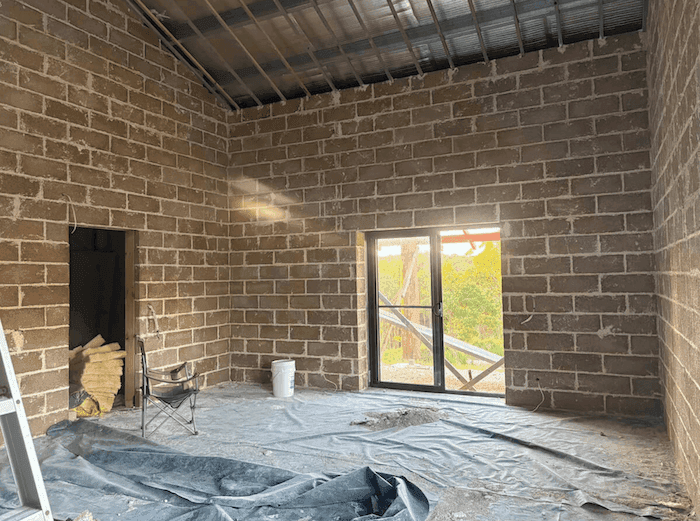
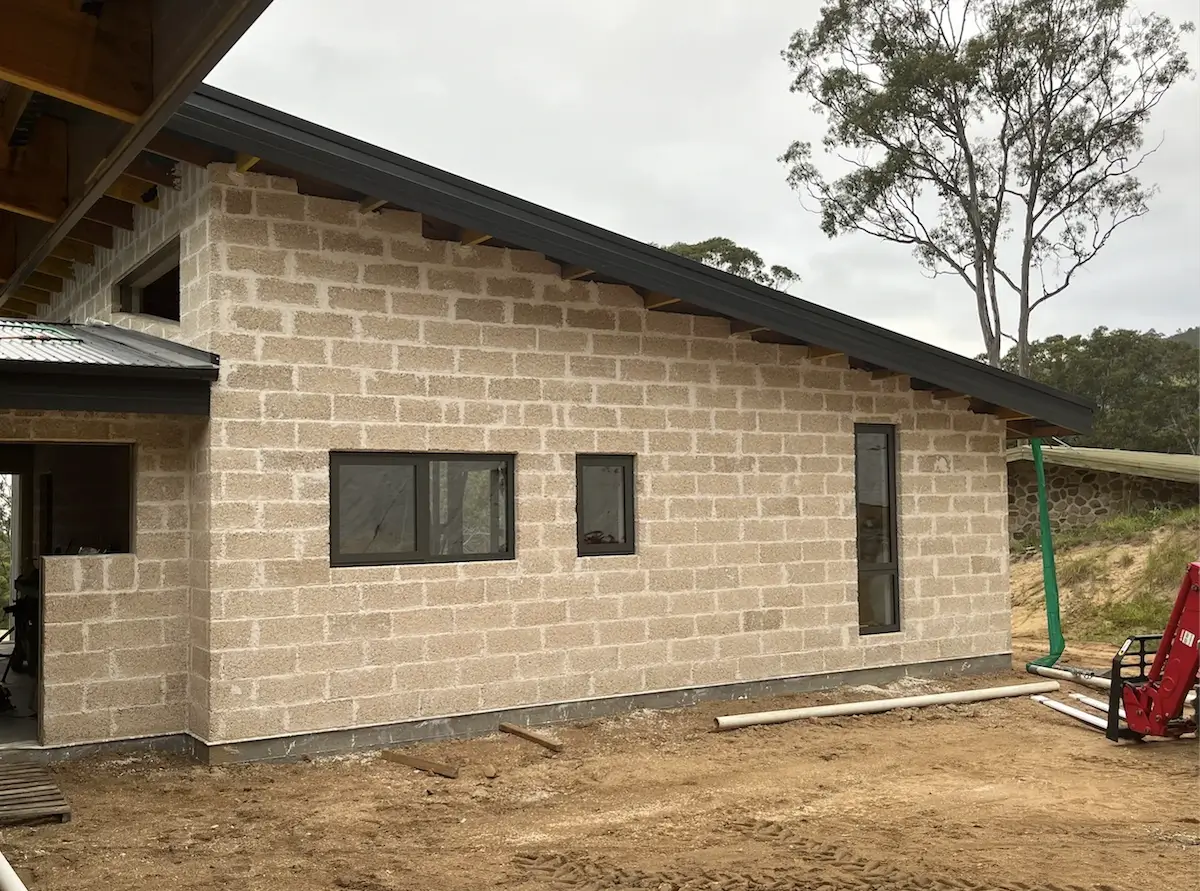
Hempcrete offers strong thermal resistance while remaining vapour-permeable throughout the wall assembly. Vapour permeability allows moisture to move through the material gradually and dissipate, rather than becoming trapped within the structure.
A comparison of breathable fabrics is helpful here. High-performance outdoor clothing allows moisture vapour to escape..
Hempcrete walls operate on a similar principle, enabling moisture regulation alongside thermal resistance. Because the material flushes moisture, everything stays drier. WIth this you’ll thermal performance remaining stable over time. The R-value designated in the design process is therefore more likely to reflect how the wall performs post construction.
Hempcrete also brings thermal mass into the equation. Instead of allowing heat to pass straight through the wall, the material can absorb and store warmth before releasing it slowly. This moderates temperature swings and contributes to a more stable indoor environment.
Thermal mass behaves a little like a temperature buffer. During the day, materials with mass absorb excess heat. As temperatures drop, that stored warmth is gradually released back into space. This process helps smooth out temperature fluctuations between day and night. This means that in winter you have a heater on. You’re not simply heating up the air in your house, but also the internal side of your wall fabric.
Because hempcrete combines insulation, vapour permeability, and thermal mass within a single material, it contributes to multiple aspects of wall performance simultaneously. This combination is one of the reasons it is increasingly considered to behave and perform higher than its designated r-value.
Looking Beyond the Number
R-rating is an important metric in building design. It tells us how well a wall resists heat flow and it plays a role in both energy use and indoor comfort. However, the number alone does not tell the full story.
Real buildings operate under constantly changing conditions. Heat moves through materials, moisture moves through wall assemblies, and outdoor temperatures rise and fall throughout the day. A wall system needs to respond to these shifts, not just perform well under controlled laboratory measurements.
This is where thermal mass becomes important. Materials with thermal mass, such as hempcrete, are able to absorb heat when temperatures rise and release that heat gradually as temperatures fall.
Hempcrete works in a similar way inside a wall. Instead of heat moving straight through the wall assembly, some of that energy is absorbed and released over time. This helps reduce temperature swings and can make indoor spaces feel more stable throughout the day and night.
Hempcrete also allows water vapour to move through the wall assembly while helping regulate internal humidity. This ability to manage both heat and moisture contributes to stable indoor conditions and supports the long-term durability of the building.
Taken together, these characteristics help wall systems maintain consistent thermal performance under real-world conditions, not just on a specification sheet.
Understanding R-values is a useful starting point. Understanding how wall systems behave over years of use is where better building decisions are made.
If you are exploring wall systems for a new build or renovation and want to look beyond the specification sheet, we are always open to a detailed conversation about how hempcrete performs in practice and how it can be applied to your project.
Looking for wall and ceiling batts with R-values from R2.5 to R6.0? See our Jeanius recycled denim insulation