How To Make A House More Energy Efficient
Creating an eco-friendly home is easier than you think. Click here to discover our comprehensive list of energy efficient house ideas!

If you live in Melbourne, you already know what the future forecasts will be like—high chances of experiencing four seasons in one day. So, what’s the smartest way to stay unbothered by the fluctuating weather? It’s by ensuring an energy efficient house, of course. As a fantastic bonus, you’ll enjoy major cost savings as well.
Whether you’re building from scratch or upgrading an existing home, improving energy efficiency can significantly reduce your carbon footprint and slash your energy bills. Here are 10 energy efficient house ideas to create a sustainable, comfortable home you’ll love living in.
How to Make Your House Energy Efficient: 10 Ideas To Consider
1. Insulate Your Home Properly
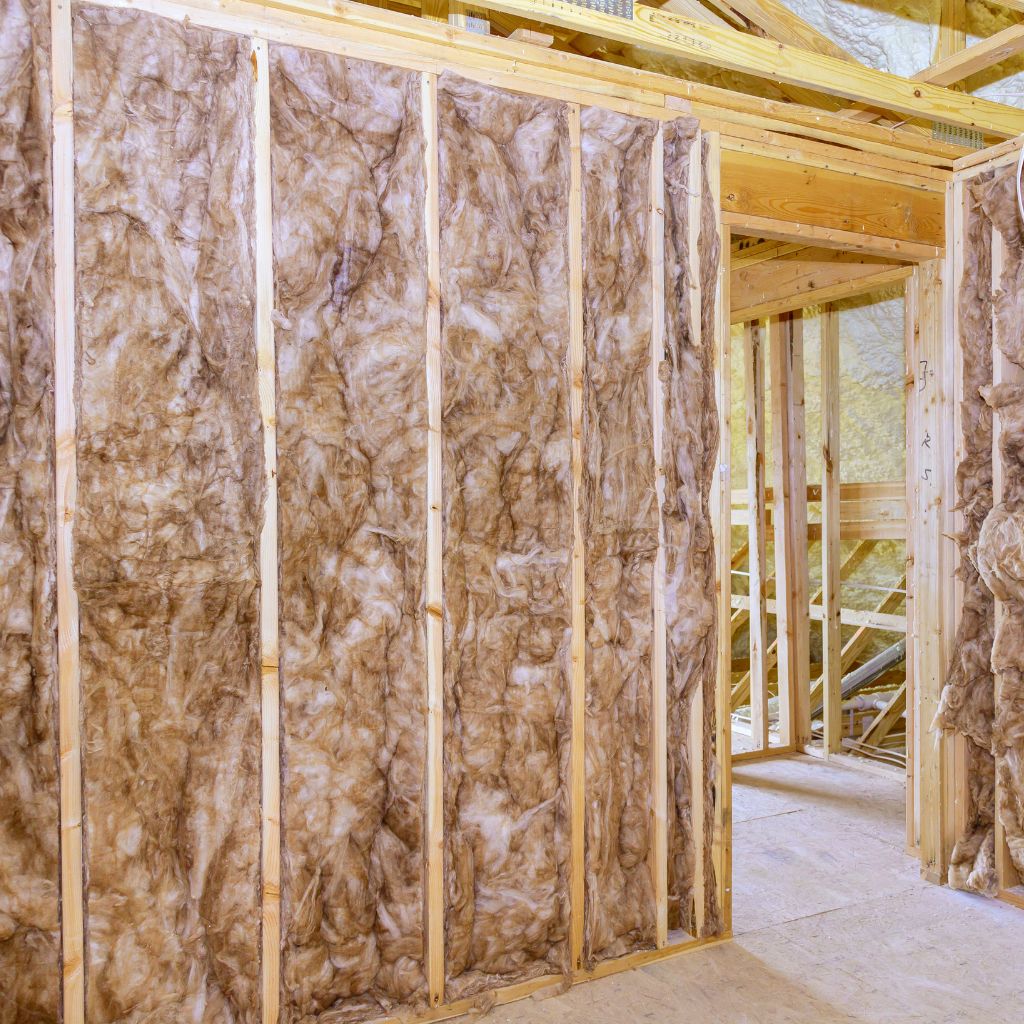
A well-insulated home keeps heat in during winter and out during summer, reducing the need for artificial heating and cooling. Consider upgrading your insulation:
Roof, walls, and floors with high-performance materials like wool, cellulose, or rigid foam.
High-performance insulated external cladding panels or weatherboards with thermal resistance can further reduce energy leakage.
Underfloor insulation helps prevent heat loss, particularly in homes with suspended flooring.
2. Install a Cool Roof
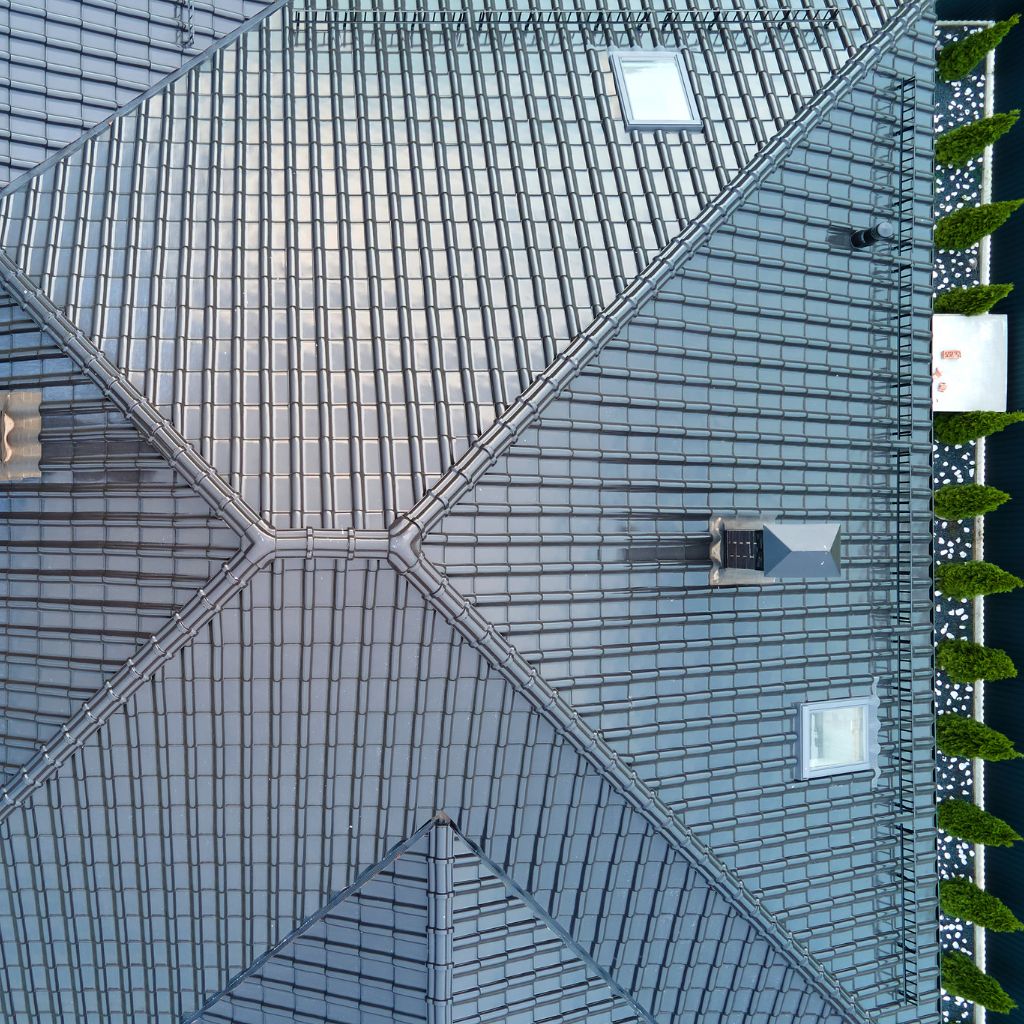
A cool roof reflects more sunlight and absorbs less heat than a standard roof, reducing indoor temperatures and decreasing reliance on air conditioning. You’ll want to lean toward materials like reflective metal roofing, cool roof tiles, or specialised reflective coatings to improve your home’s energy efficiency.
Cool roofs are especially beneficial during hot summers, as they prevent excess heat absorption that can make indoor spaces unbearable. By keeping your roof cooler, you can reduce heat transfer to your attic and living spaces. It’s an energy efficient house hack that lowers your cooling needs and energy bills.
3. Install Solar Panels
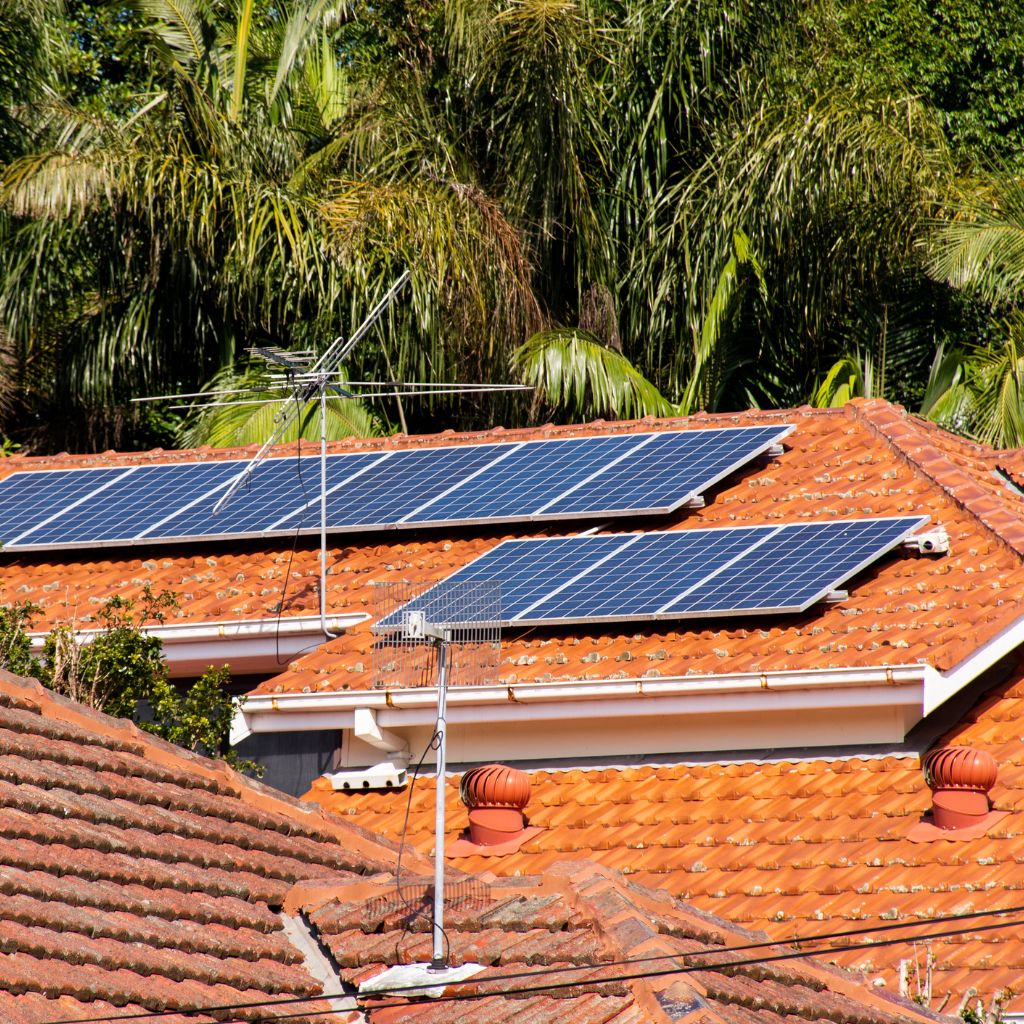
Why not take advantage of Victoria’s abundant sunshine? You can do just that by investing in solar panels. By harnessing solar energy, you can power your home sustainably and reduce reliance on the grid. Pairing solar panels with a battery storage system maximises efficiency by storing excess energy for use during cloudy days or nighttime.
Did you know that homeowners can take advantage of government rebates and feed-in tariffs, making solar panel installation more affordable? Integrating solar with an energy management system allows you to optimise energy consumption, further reducing reliance on fossil fuels.
4. Upgrade to Energy-Efficient Appliances
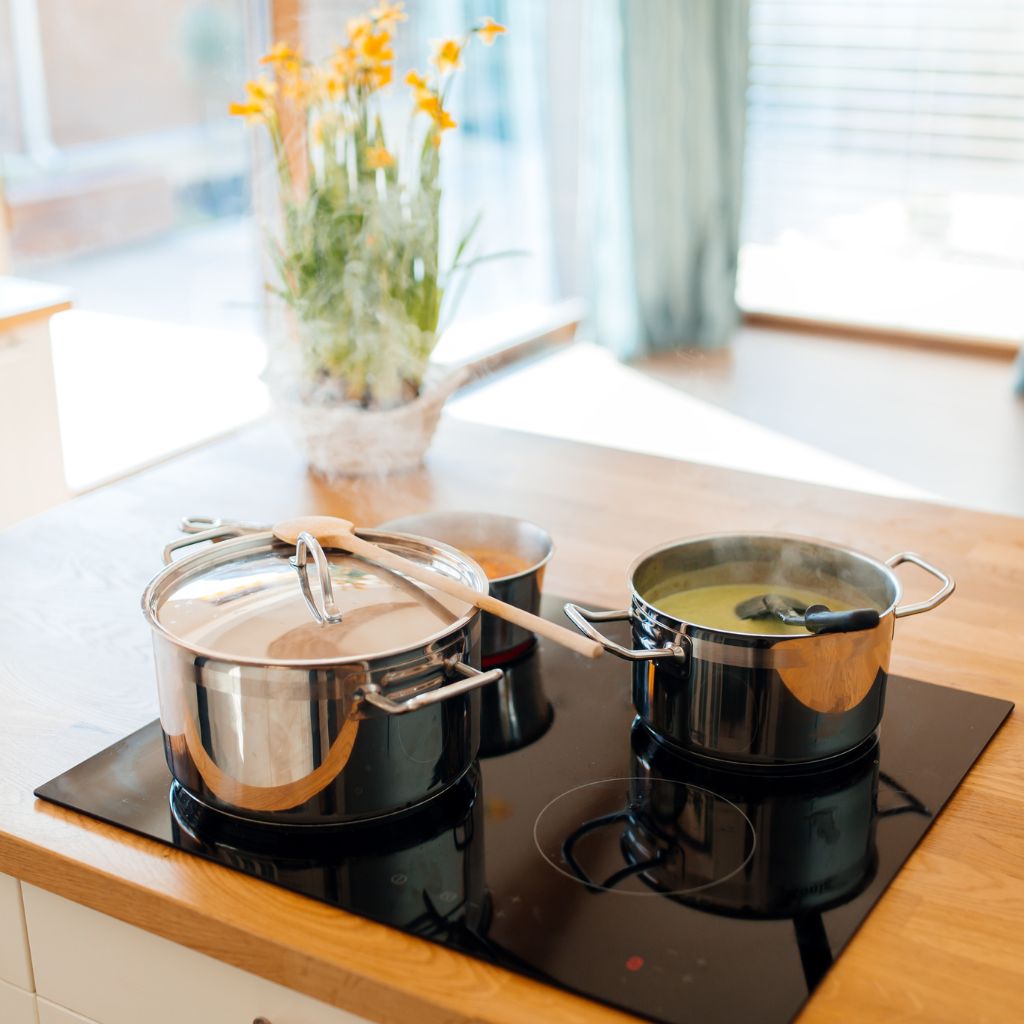
You might have an attachment to those trusty, older appliances, but they tend to consume more electricity. Consider upgrading to energy-efficient models with high star ratings. Smart appliances that adjust their power usage based on demand are also a great addition.
Here’s another one of the energy efficient house ideas you’ll want to put on your radar: induction appliances. Induction cooktops, for instance, are more eco-friendly than traditional electric or gas stoves, as they heat cookware directly while minimising heat loss. Energy-efficient washing machines with load-sensing technology use just the right amount of water and electricity, preventing unnecessary waste.
5. Use Hempcrete Blocks for Sustainable Construction
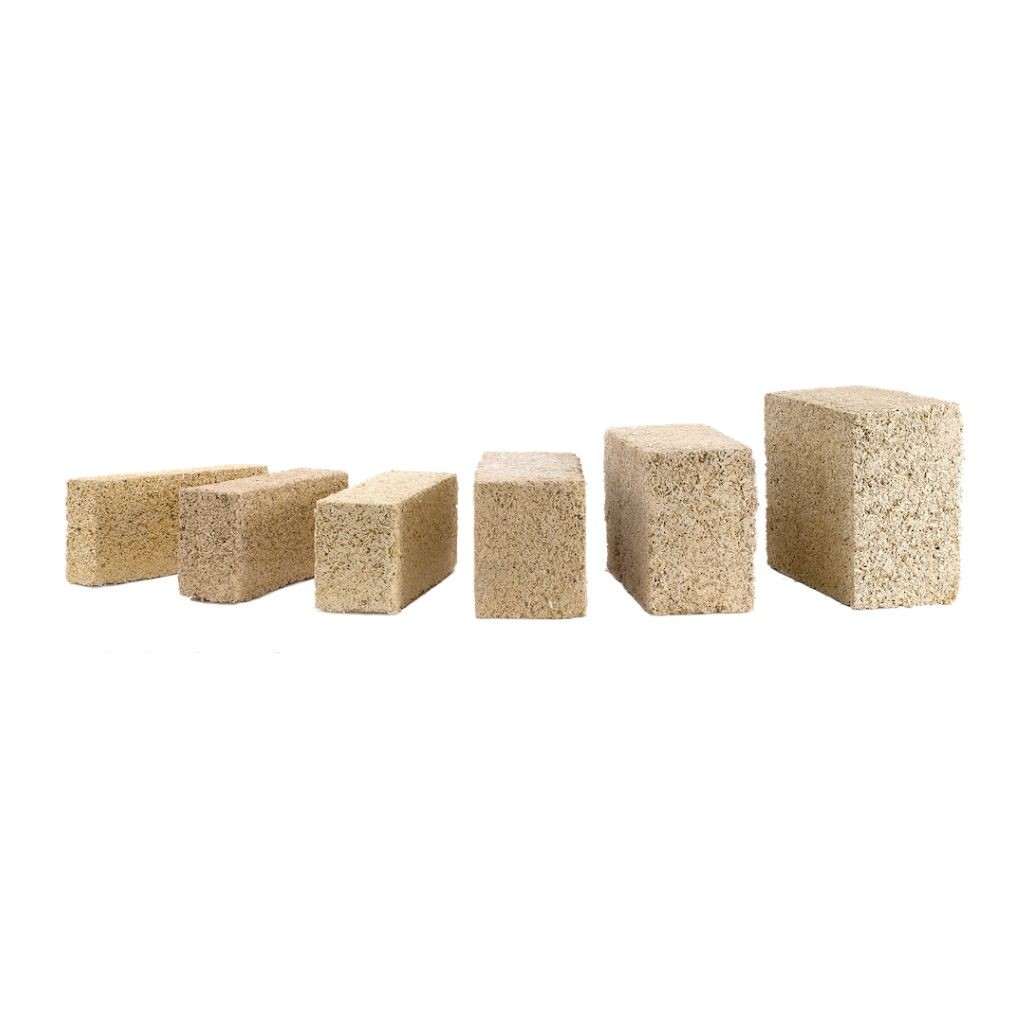
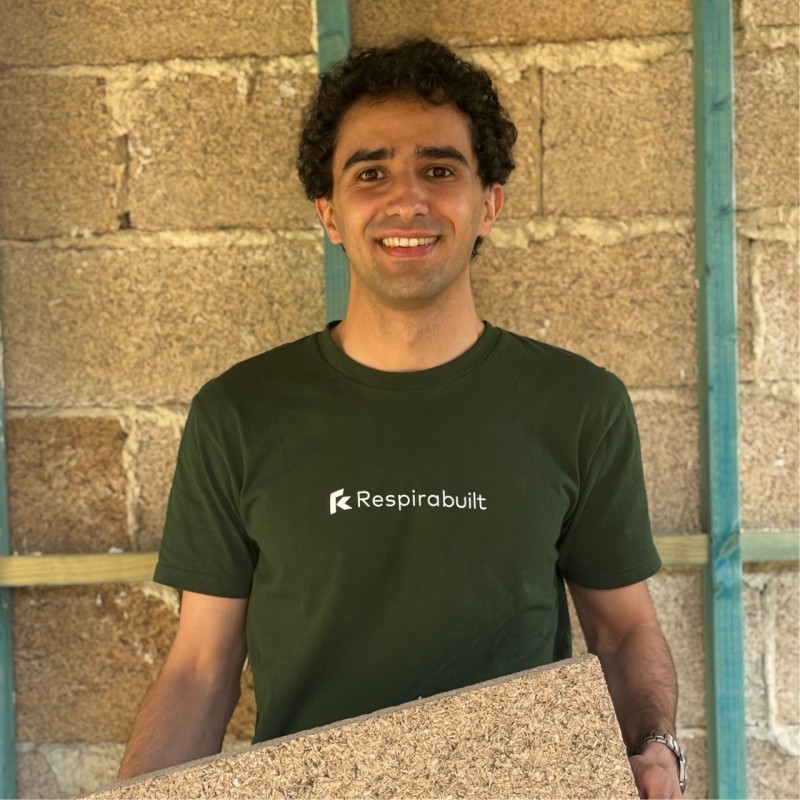
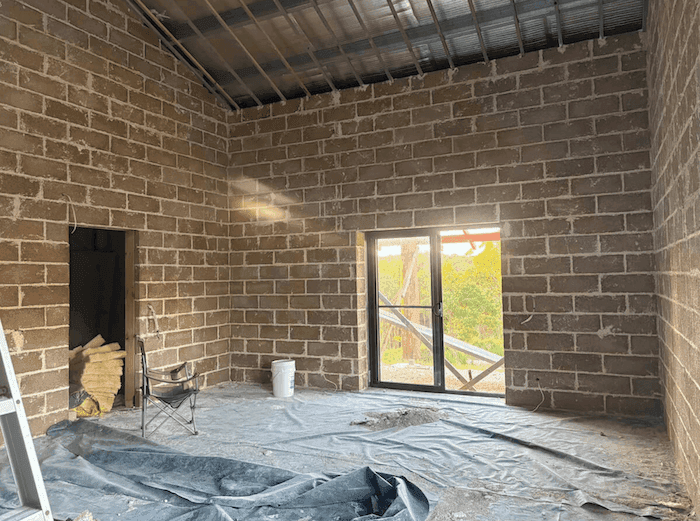
If you’re building or renovating, consider using hempcrete blocks by Respirabuilt—which are sustainable and energy-efficient building materials offering a host of benefits that enhance any project:
Natural insulation ensures year-round comfort while lowering energy costs.
Breathable and moisture-regulating properties create healthier indoor spaces.
Free from harmful chemicals, making them a safe choice for homes.
Fire-resistant and pest-deterring, adding durability and safety.
Mould-resistant and acoustic insulating, improving indoor air quality and reducing noise.
Reduces heating and cooling costs by up to 70%, leading to significant savings.
Lightweight and easy to install, streamlining construction and reducing labour costs.
Carbon-negative footprint, absorbing more CO₂ than it emits, making it an environmentally friendly building material.
6. Seal Gaps and Draught-Proof Your Home
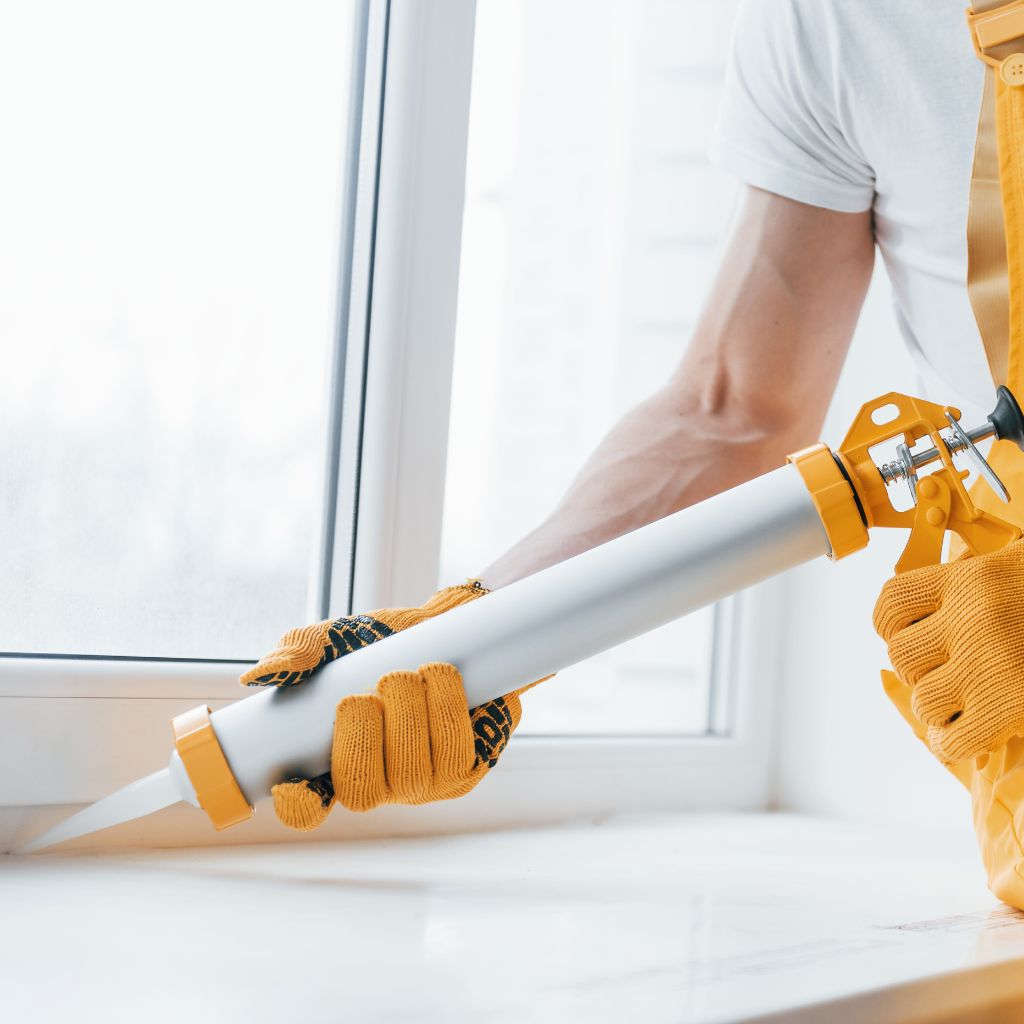
Even the smallest gaps around windows, doors, and vents are big culprits that can cause significant heat loss. Draught-proofing your home by sealing these gaps with weatherstripping or caulking can dramatically improve energy efficiency.
You can also do the following:
Install door sweeps
Install self-closing exhaust fans
Seal gaps around pipework and skirting boards
Use foam weatherstripping on older window frames to prevent unwanted air leaks.
7. Opt for Smart Heating and Cooling Systems
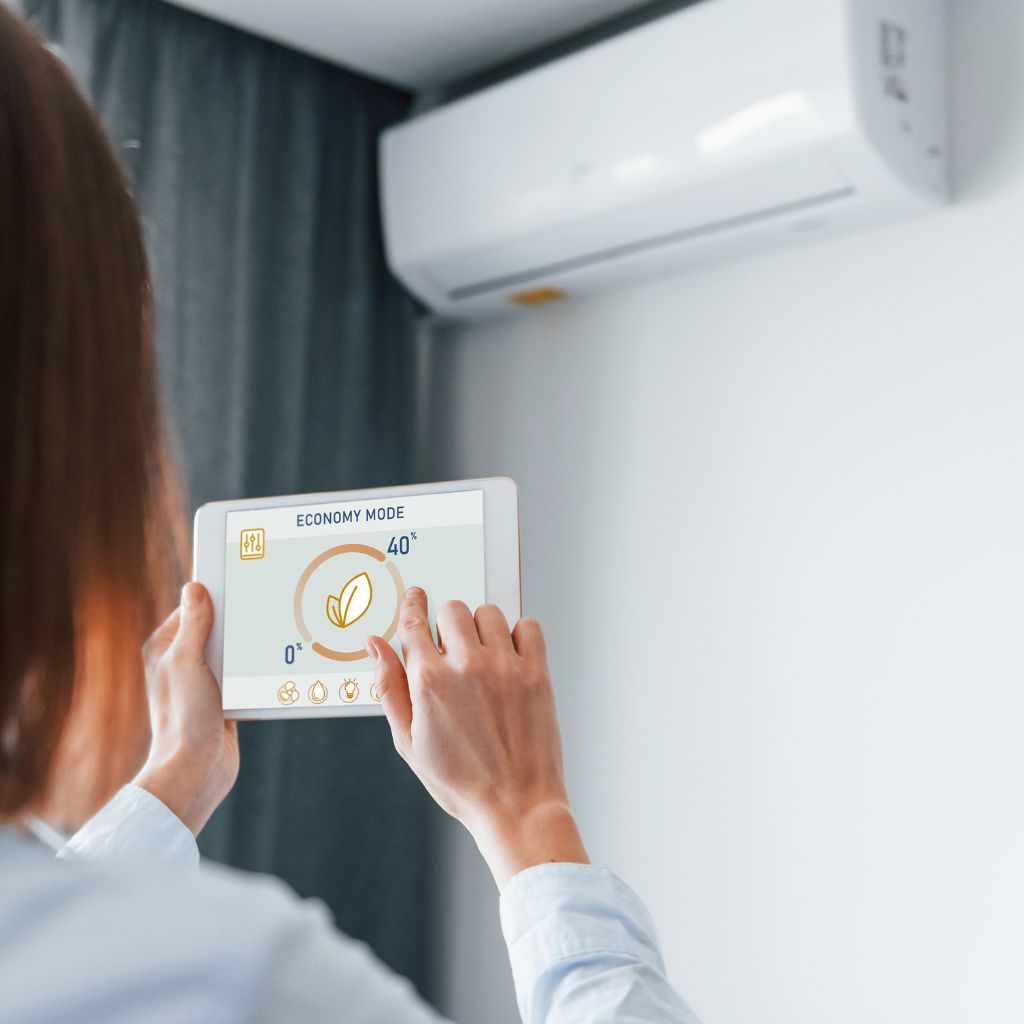
Heating and cooling account for a large portion of household energy use. Upgrade to energy-efficient solutions, such as:
Reverse-cycle air conditioners
Hydronic heating
Heat pumps
Smart thermostats that allow you to control temperatures remotely and program energy-saving schedules, ensuring you only use energy when needed.
Zoning your heating and cooling further increases efficiency by allowing you to control which rooms receive heating or cooling at different times
Underfloor heating, particularly hydronic systems, offers consistent warmth with lower energy consumption compared to traditional ducted systems.
They don’t call them “smart” solutions for no reason!
8. Improve Ventilation and Passive Design
Good ventilation reduces the need for mechanical heating and cooling by allowing natural airflow.
Design your home with cross-ventilation in mind by strategically placing windows and vents.
Opt for passive solar design elements, such as north-facing windows and thermal mass materials to regulate indoor temperatures naturally.
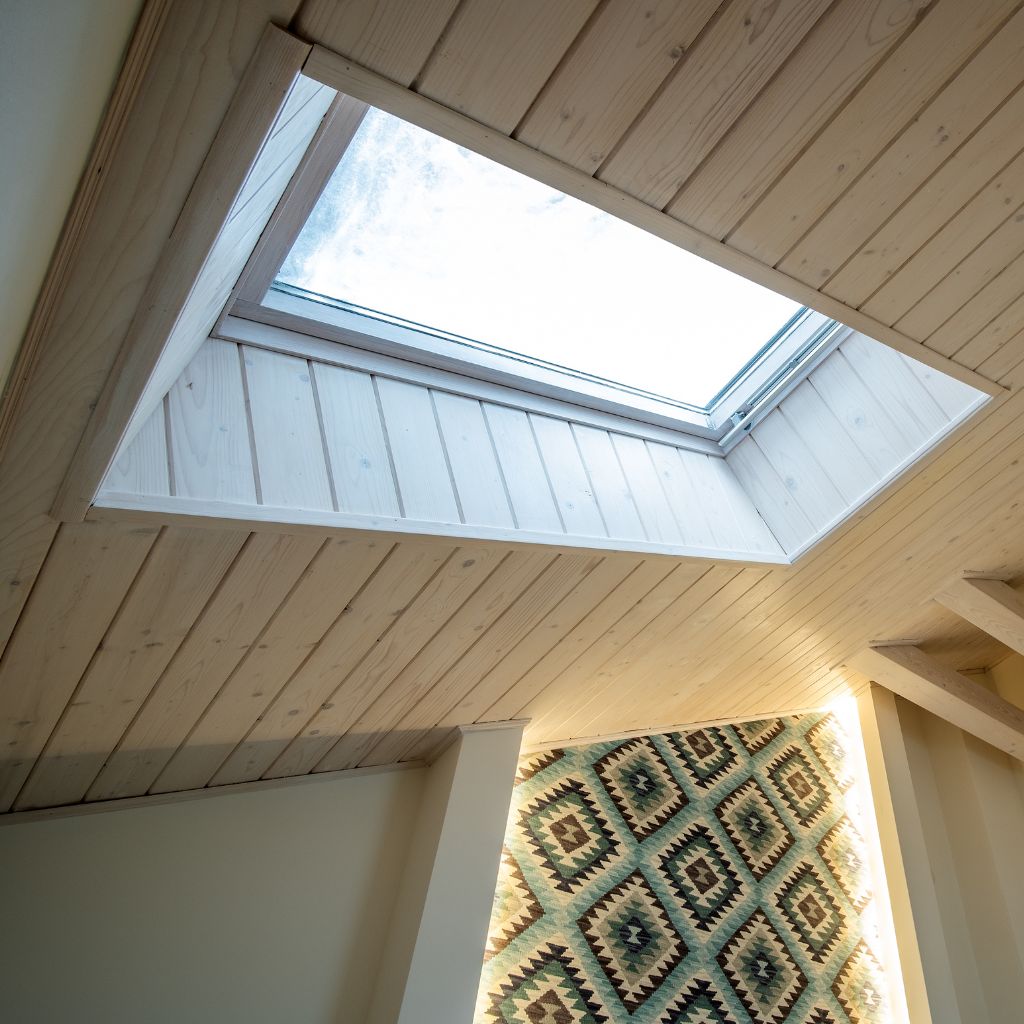
Install skylights or solar tubes that can bring in natural light, reducing the need for artificial lighting during the day.
Plant deciduous trees around your home—they serve as a natural cooling method, providing shade in summer while allowing sunlight through in winter.
9. Upgrade to a Heat Pump Water Heater
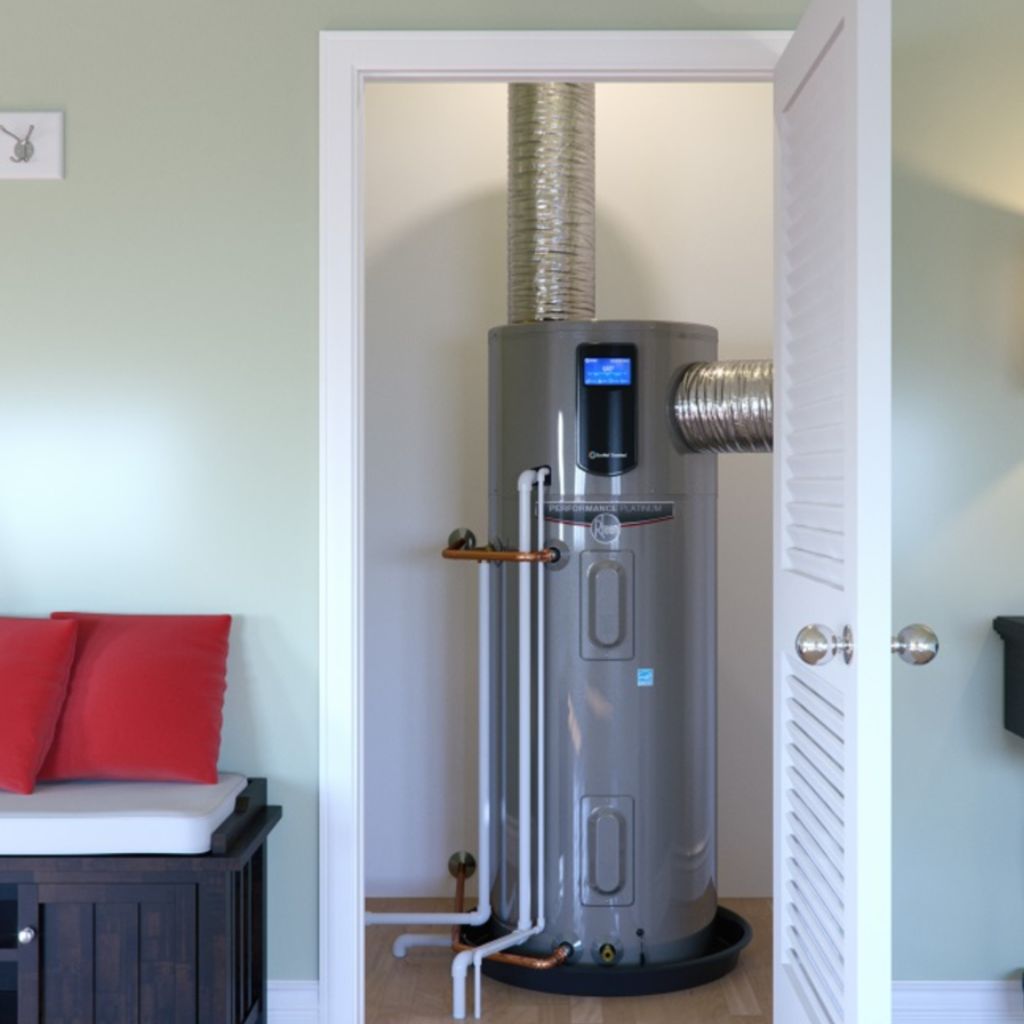
Traditional water heaters are known for consuming a lot of energy. A heat pump water heater is a more efficient option, using ambient air to heat water rather than electricity or gas. This upgrade can significantly cut down your energy bills and reduce your household’s carbon footprint—offering efficiency improvements of up to 60% over conventional electric water heaters.
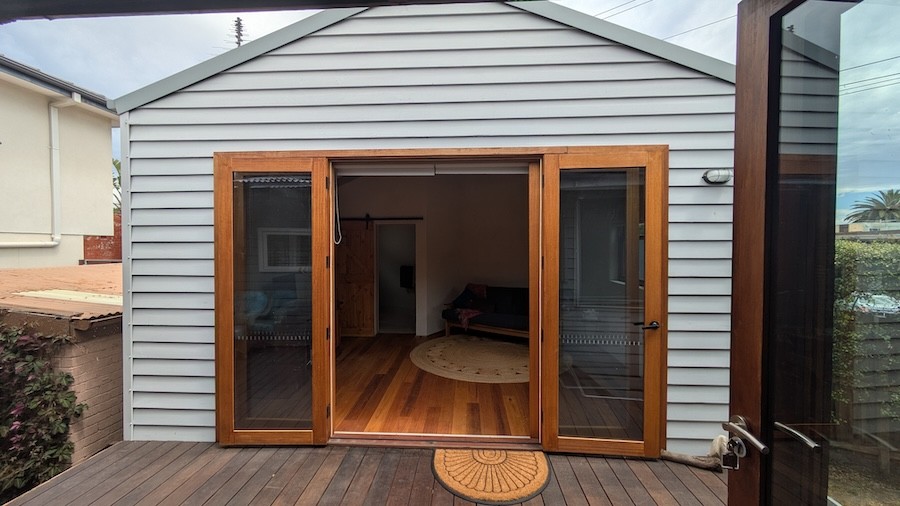
10. Choose Energy-Efficient Windows and Doors
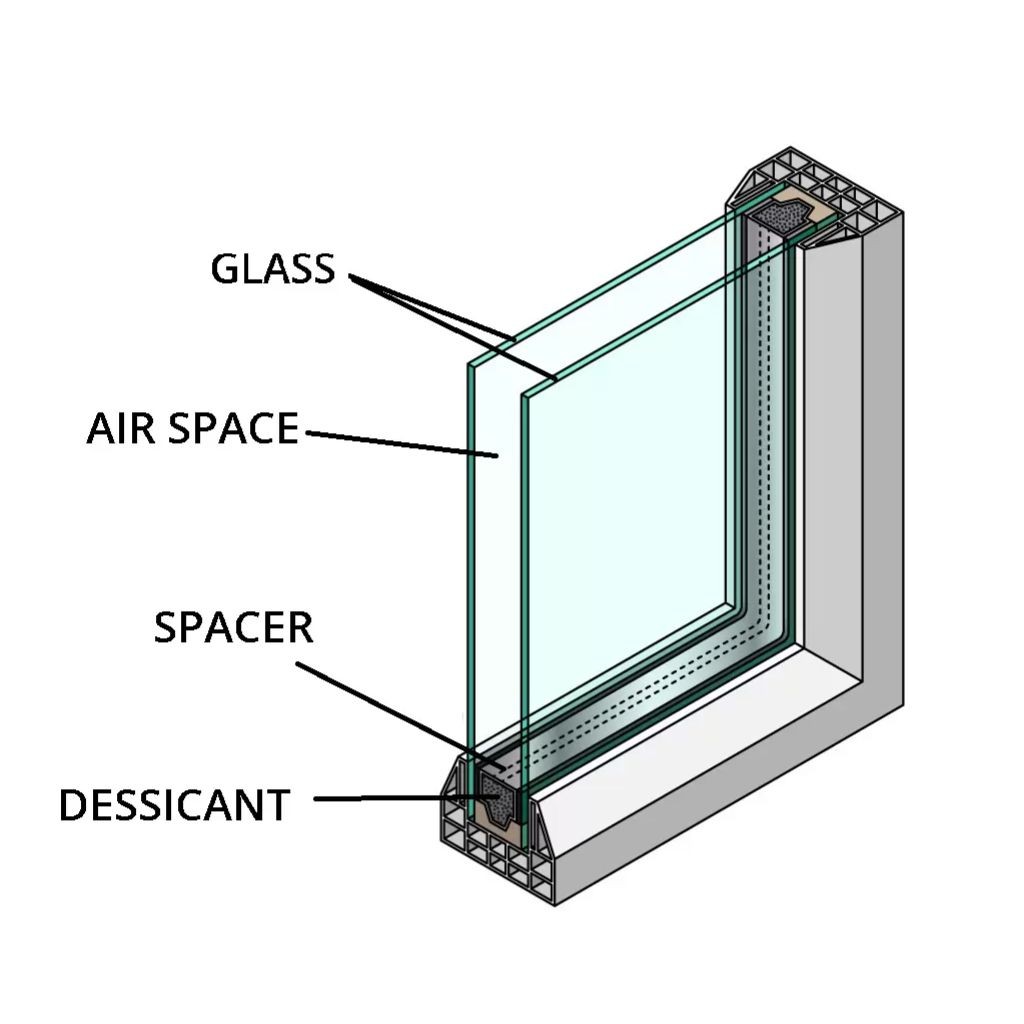
Let’s not underestimate the crucial role that energy-efficient windows and doors play in maintaining a comfortable indoor temperature.
Double or triple glazing, low-emissivity coatings, and insulated frames help prevent heat transfer, keeping your home warm in winter and cool in summer.
Timber or uPVC window frames offer better insulation than traditional aluminium frames.
Using thermal curtains or automated blinds can help trap heat inside during colder months and reflect heat away in summer, further improving efficiency.
Build the Foundation of Energy Efficiency with Respirabuilt
That wraps up our guide on how to make your house energy efficient. Ultimately, Improving your home’s energy efficiency isn’t just about saving money—it’s about creating a healthier, more sustainable living space.
If hempcrete blocks are one of the energy efficient house ideas that caught your eye, Respirabuilt is here to help. Not all hemp-based building materials are created equal—and at Respirabuilt, we refuse to compromise. We work exclusively with 100% natural, cement-free, and sustainably sourced hemp products to ensure your home is as healthy as it is energy efficient. Our premium hemp shivs and lime-based binders create a breathable, durable, and high-performing material that naturally regulates temperature, reduces energy costs, and promotes better indoor air quality. With Respirabuilt, you’re not just building—you’re making a powerful statement for a greener future.
Contact us to get started today.
Take a look at our other blogs:
📩 DM us on Instagram @Respirabuilt
🌍 Visit www.respirabuilt.com.au