Hempcrete vs Concrete
Hempcrete is shaking up the Australian construction scene! Click to see how it compares to concrete in cost, insulation, sustainability, and more.
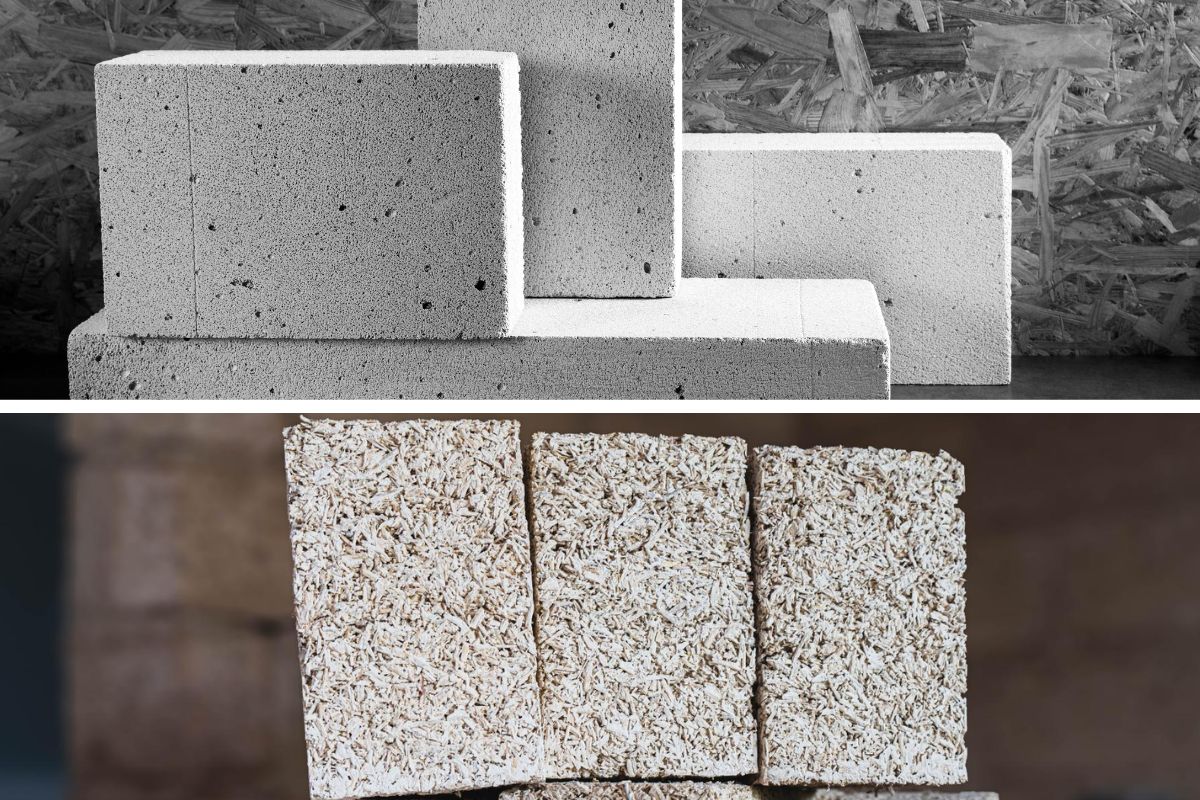
Concrete has long dominated Australia’s construction landscape — but a natural, sustainable rival is rising fast: hempcrete. Made from hemp shiv, lime-based binder, and water, this revolutionary material is shifting the way we think about building homes. So, how does it compare to the old classic?
Let’s break down the debate — hempcrete vs concrete — across ten critical categories that matter most to homeowners and builders.
1. Environmental Impact: Hempcrete is Carbon-Negative
Winner: Hempcrete
Concrete is one of the world’s biggest carbon culprits, producing around 8% of global CO₂ emissions. Manufacturing cement, a key ingredient in concrete, is energy-intensive and polluting. Hempcrete, on the other hand, is a carbon-negative material.
Why? Because hemp plants absorb vast amounts of CO₂ as they grow — about 1.6 tonnes of carbon per tonne of hemp harvested. When turned into hempcrete, this carbon stays locked in the walls for decades. Combine that with low-energy lime production, and you get a material that actually removes carbon from the atmosphere.
In short: if you’re serious about sustainable building, hempcrete is a clear winner.
2. Insulation & R-Values
Winner: Hempcrete
Thermal performance is crucial across Australia’s diverse climate zones. The good news? Hempcrete doesn’t just insulate — it regulates. Respirabuilt hempcrete, in particular, have an R-value of approximately R1.84–R6.42, depending on the dimensions of the blocks. This high thermal resistance means it slows heat transfer effectively, keeping interiors cooler in summer and warmer in winter.
Concrete, on the other hand, has a very low R-value — around R0.1–R0.2 — and typically requires additional insulation layers to meet energy efficiency standards.
With hempcrete, you get insulation, thermal mass, and vapour mangment all rolled into one natural package — reducing energy use and slashing power bills.
3. Fire Resistance
Winner: Hempcrete
Australia’s bushfire seasons are becoming increasingly extreme. Fortunately, hempcrete is highly fire-resistant — thanks to its mineral lime binder and dense, non-flammable composition. It won’t burn, drip, or emit toxic fumes, and it slows the spread of fire through walls.
Concrete is also fireproof, but it can crack or degrade under intense heat. Hempcrete provides a more balanced combination of fire safety and thermal efficiency, which is especially important in rural and bushland settings.
4. Cost of Hempcrete vs Concrete
Winner: Concrete (initially)
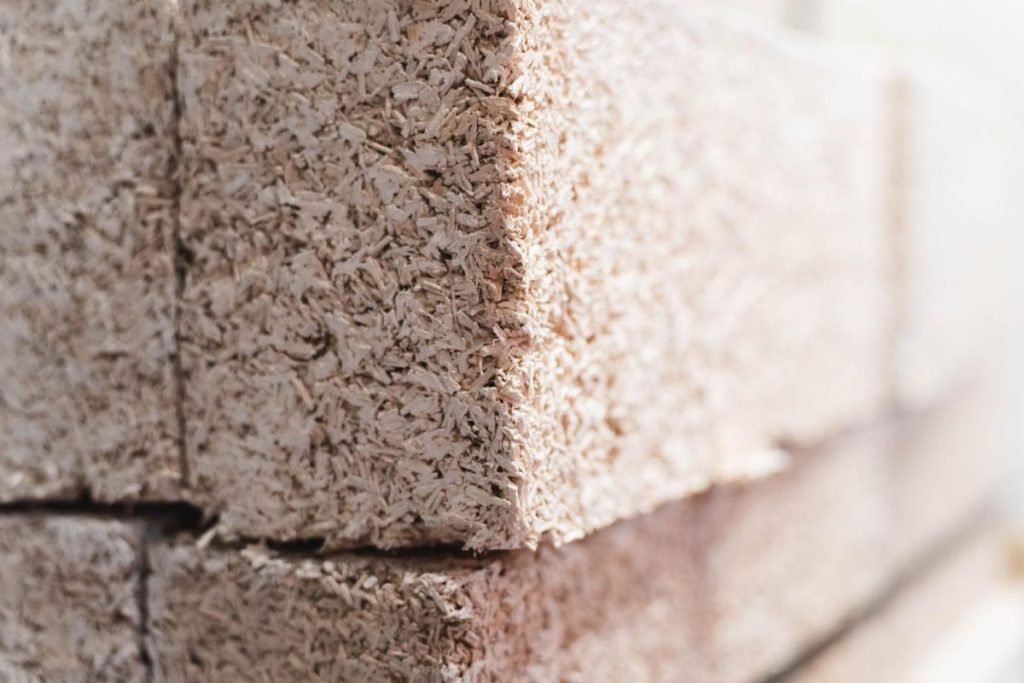
The cost of hempcrete vs concrete often comes down to upfront expenses. Concrete is cheaper to source, transport, and install — largely due to its ubiquity and mass production. Hempcrete, by contrast, is a niche product in Australia and does take a bit of technical assistance to work with.
That said, hempcrete can save you money in the long run: lower energy bills, fewer repairs, and healthier indoor air reduce total life-cycle costs. Plus, as demand grows and supply chains mature, the initial hempcrete costs are expected to become even more accessible.
5. Structural Strength
Winner: Concrete
When comparing hempcrete vs concrete strength, there’s no denying that concrete wins the heavyweight title. It boasts compressive strengths of 20–40 MPa, making it ideal for foundations, high-rises, and roads. Hempcrete is far less dense and has a compressive strength of around 1 MPa — meaning it isn’t a load-bearing material.
RespiraBlocks are designed as a non–load‑bearing veneer, much like a traditional brick veneer system. Your home’s structural loads (roof, slab and wind/snow loads) are carried by the standard timber frame.
RespiraBlocks are non-load-bearing cladding (like brick veneer), attached to a standard timber frame that easily meets engineering requirements. Because hempcrete isn’t load-bearing, there are fewer compliance hoops—easy to specify and use in a build. Delivers insulation, moisture control, flexibility, crack resistance, and straightforward code compliance.
6. Moisture Control & Mould Resistance
Winner: Hempcrete
Australia’s humid coastal regions are prone to condensation, damp, and mould — but hempcrete breathes. It allows moisture to pass through the walls and self-regulates internal humidity. This vapour-permeable quality makes hempcrete naturally resistant to rot, mould, and mildew — no plastic barriers required.
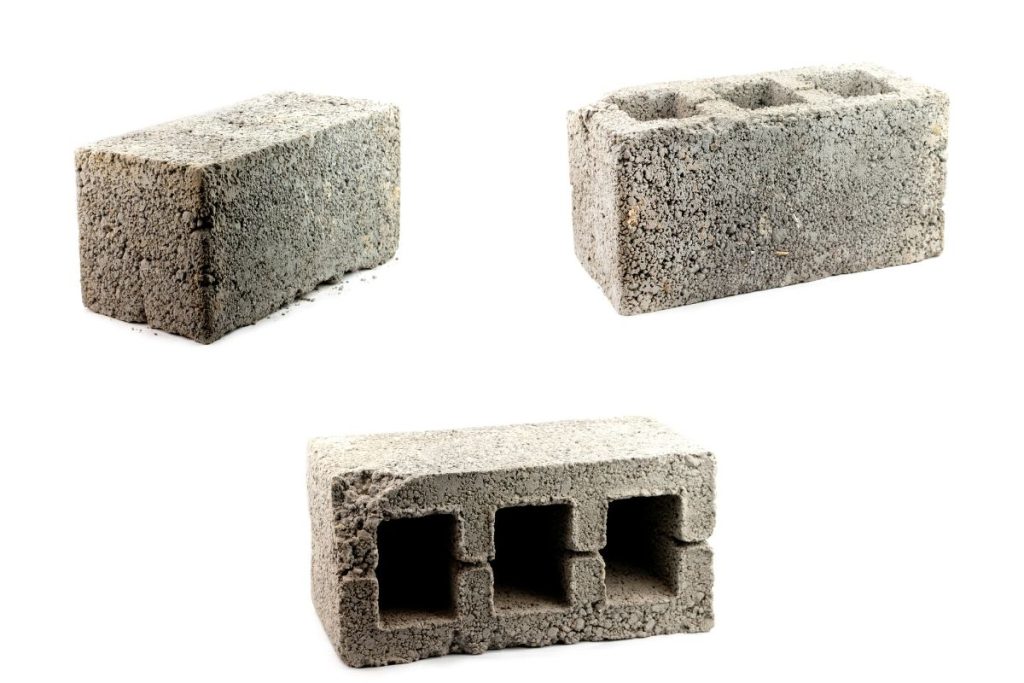
Concrete, while durable, traps moisture and often needs vapour control layers, especially in basements and wet areas. For healthier, drier homes, hempcrete takes the lead.
7. Acoustic Insulation
Winner: Hempcrete
Looking to block out traffic, neighbours, or noisy pets? Hempcrete’s dense, fibrous structure offers fantastic acoustic insulation. Its porous nature absorbs sound rather than reflecting it — creating quieter, calmer indoor spaces.
Concrete has mass but lacks sound-dampening qualities unless paired with specialist acoustic treatments. Hempcrete naturally provides peace and quiet without extra layers or cost.
8. Speed & Ease of Construction
Winner: Tie
In this case, it’s fair to call it a tie — or even a situational win for hempcrete, depending on the project type.
Here’s why:
Concrete still wins for high-rise, heavy load applications and massive pours where speed and load-bearing capacity are essential. It’s unmatched in scale and raw structural efficiency.
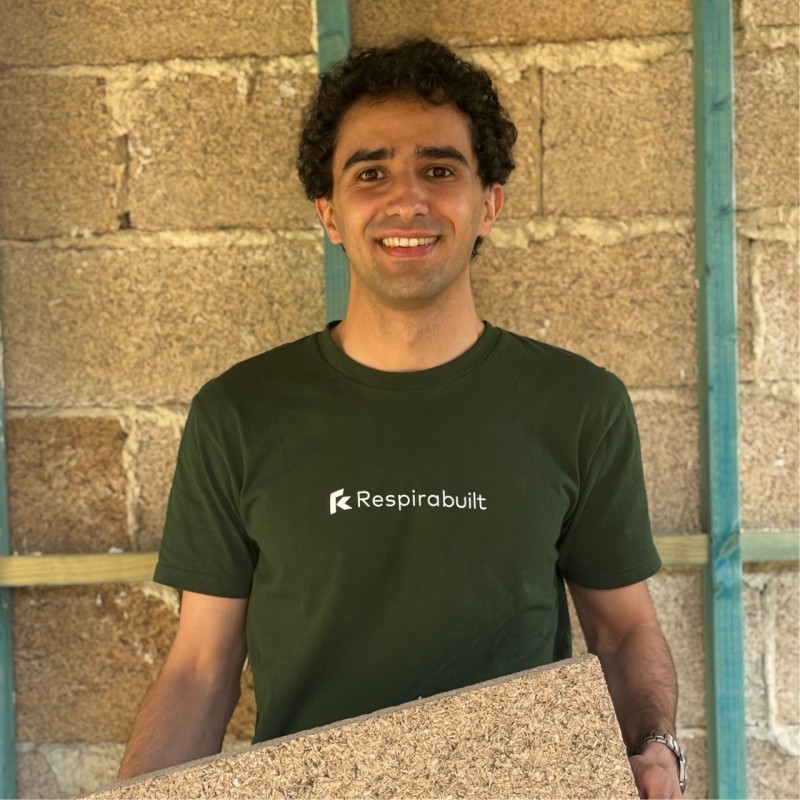
Hempcrete blocks, however, have closed the time gap for residential and low-rise buildings. With prefab options like Respirabuilt hempcrete blocks, there’s no curing delay, installation is fast, and you gain the added benefits of insulation, breathability, and sustainability — all in one material.
So if you’re comparing installation speed in residential builds, it’s a tie or slight edge to hempcrete when you factor in reduced need for extra insulation or vapour barriers.
9. Longevity & Flexibility
Winner: Tie
Concrete can last for decades, but it’s prone to cracking, especially in shifting soils like those found across regional Australia. Hempcrete is less brittle and more forgiving — it flexes slightly with movement and doesn’t require expansion joints.
With proper installation and protection from extreme water exposure, hempcrete walls can last over 100 years, offering impressive durability with none of the harsh chemicals.
10. Aesthetic & Natural Appeal
Winner: Hempcrete
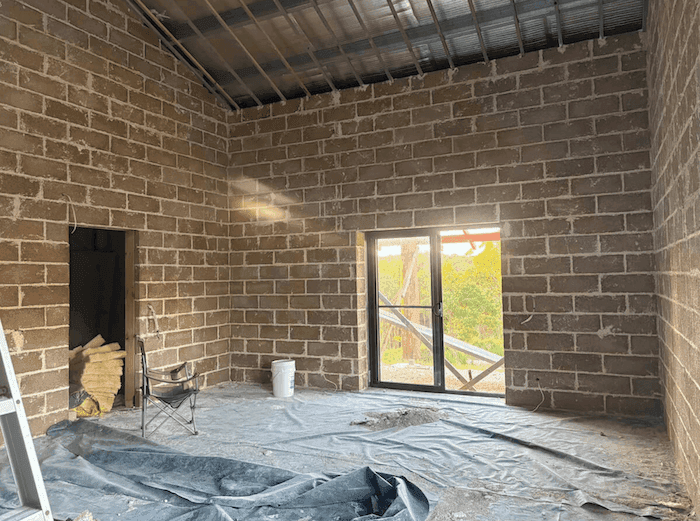
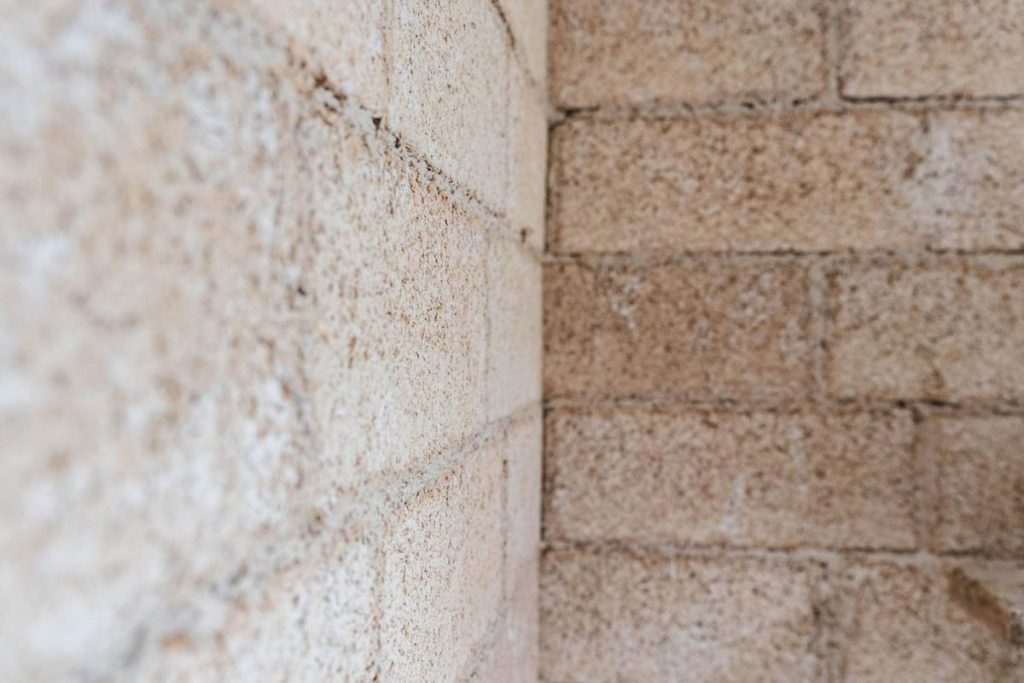
Hempcrete has an earthy, raw texture that’s right at home in Australia’s natural landscapes. Whether left exposed or finished with breathable lime renders, it adds warmth, texture, and authenticity to any home.
Even better, hempcrete walls can be painted using breathable, natural paints like limewash or clay-based coatings, preserving the wall’s vapour-permeability. After painting, the natural, fibrous texture of the hempcrete often remains visible, giving the wall a subtle, organic finish. Concrete can be polished or painted for a sleek, industrial look — but lacks the organic charm and flexibility of hemp-based walls. For those chasing sustainable style, hempcrete offers something truly unique.
Choose Hempcrete: Build Better with Respirabuilt
Concrete may still be king for heavy-duty projects, but hempcrete is rewriting the rules for eco-conscious building of smaller-scale projects in Australia. It’s breathable, energy-efficient, soundproof, fire-safe — and even removes carbon from the atmosphere. When weighing up hempcrete vs concrete, it’s clear hempcrete brings more than just sustainability — it brings smarter, healthier living.
Want to build with impact? Partner with Respirabuilt, Australia’s leading hempcrete experts, and step into a future-proof home that embodies innovation.
Looking for more expert insights? Take a look at our other blogs: