Hempcrete Disadvantages
The honest list: structural limits, 4–8 week curing, cost and render needs — and which drawbacks hempcrete blocks avoid. By an Australian hemp supplier.
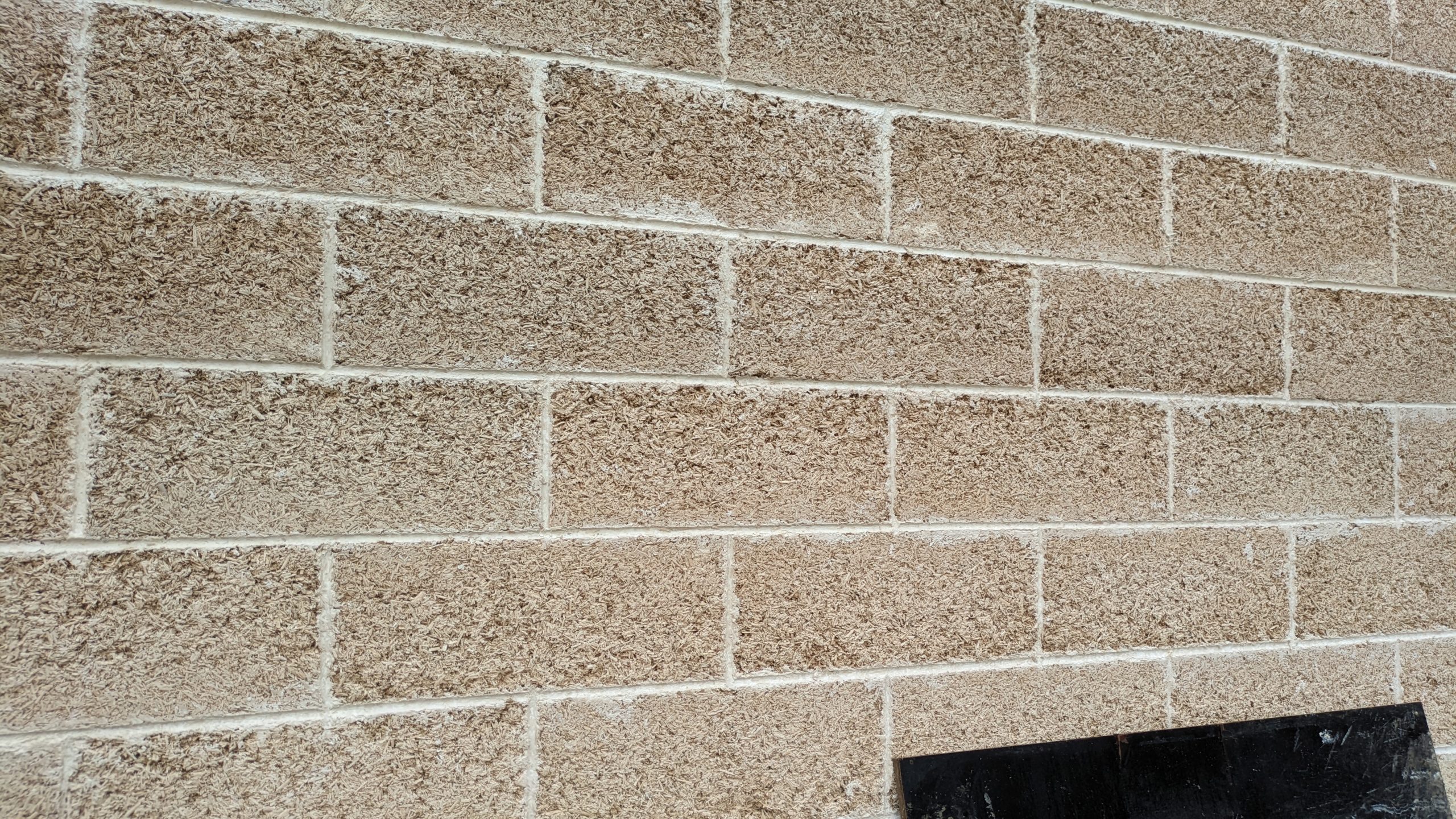
Hempcrete offers numerous benefits such as natural insulation, fire resistance, and moisture regulation. However, like any construction material, it has its limitations. Understanding these drawbacks helps builders, architects, and homeowners make informed decisions about when and where to use hempcrete effectively.
This article explores the key hempcrete disadvantages, breaking them down based on the primary methods of application: cast-in-situ hempcrete, sprayed hempcrete, and hempcrete blocks.
1. Structural Limitations
Is Hempcrete a Load-Bearing System?
Hempcrete is not a load-bearing material—it’s designed as an insulative veneer or infill around a standard typical timber or steel frame.
Why that’s a good thing
No structural approvals required: Because hempcrete isn’t carrying roof or floor loads, local councils treat it as a non-structural lining or caldding. You avoid expensive testing, certification costs, and the delays that come with other emerging construction methodologies. Infact this is one of the key reasons Hempcrete has found it’s way close to the mainstream.
the further benefit of hempcrete blocks are that they are a non-load-bearing veneer, you get all the thermal, acoustic, and health benefits of a natural building material—while keeping project costs, approvals, and installation time to an absolute minimum.
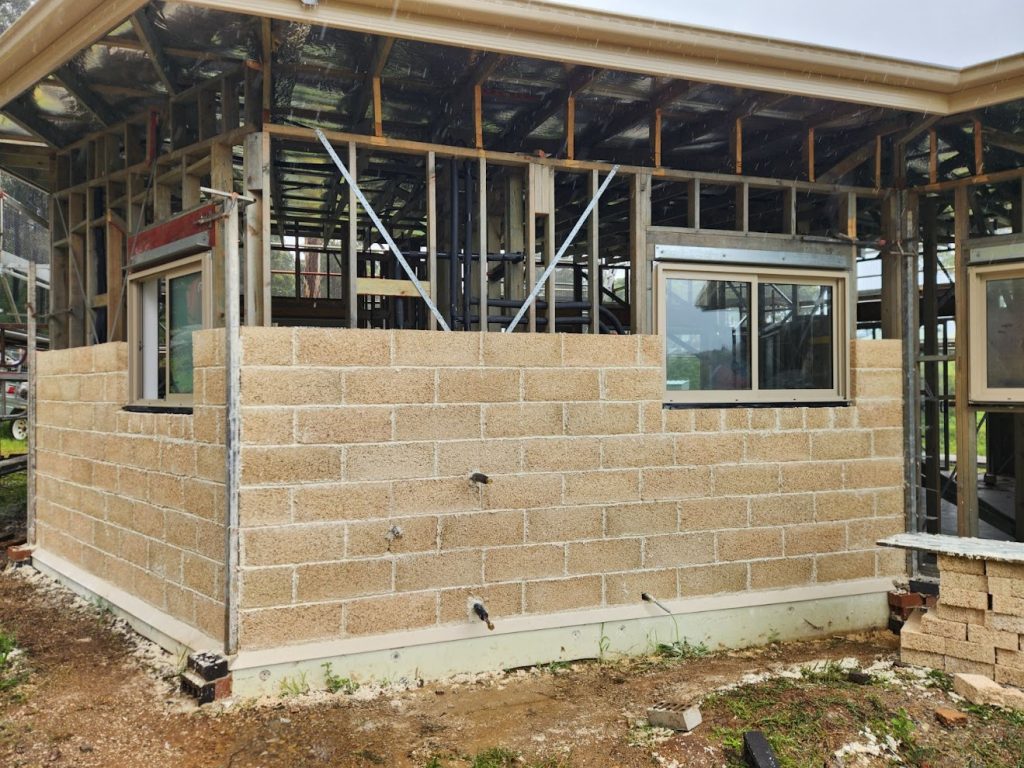
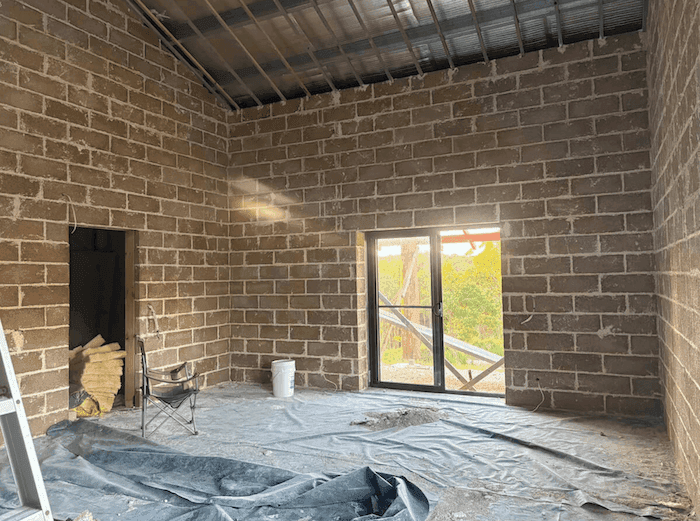
Hempcrete Blocks used easily with a stud frame.
2. Longer Drying and Curing Time
Hempcrete does not set like traditional concrete; instead, it dries and cures over time, depending on climate conditions and thickness.
Cast-in-situ and sprayed hempcrete can take 4 to 8 weeks to dry before applying finishes like plaster or render.
Hempcrete blocks, however, are cured at a factory, eliminating curing time on-site and making them a more efficient alternative.
The extended drying period of Cast-in-situ and sprayed hempcrete can lead to construction delays if not planned for properly, making Hempcrete blocks far more suitable for fast-paced building projects.
3. Higher Initial Costs Compared to Conventional Materials
While hempcrete is known for its long-term savings due to energy efficiency, the upfront costs of Cast-in-situ and sprayed hempcrete can be higher than standard building materials. Factors contributing to this include:
The labor-intensive nature of cast-in-situ hempcrete.
The specialised equipment required for sprayed hempcrete.
The production and transportation costs of hempcrete blocks. However, hempcrete blocks are in line with standard materials, with a supply cost starting at $105/m².
That said, hempcrete’s durability and insulation properties can lead to long-term cost savings through reduced energy bills and maintenance. Additionally, by naturally buffering indoor humidity and filtering airborne pollutants, hempcrete creates a living environment that’s not only cozy but also supports respiratory health—minimising mold and allergen growth and promoting cleaner, fresher air for your family.

4. Limited Availability and Skilled Labor
Hempcrete is still a niche building material compared to traditional options like concrete and brick. This presents challenges such as:
Fewer contractors and builders experienced in working with cast-in-situ hempcrete.
Limited availability of hempcrete materials, especially in certain regions.
Specialized equipment needed for sprayed hempcrete, which not all builders have access to.
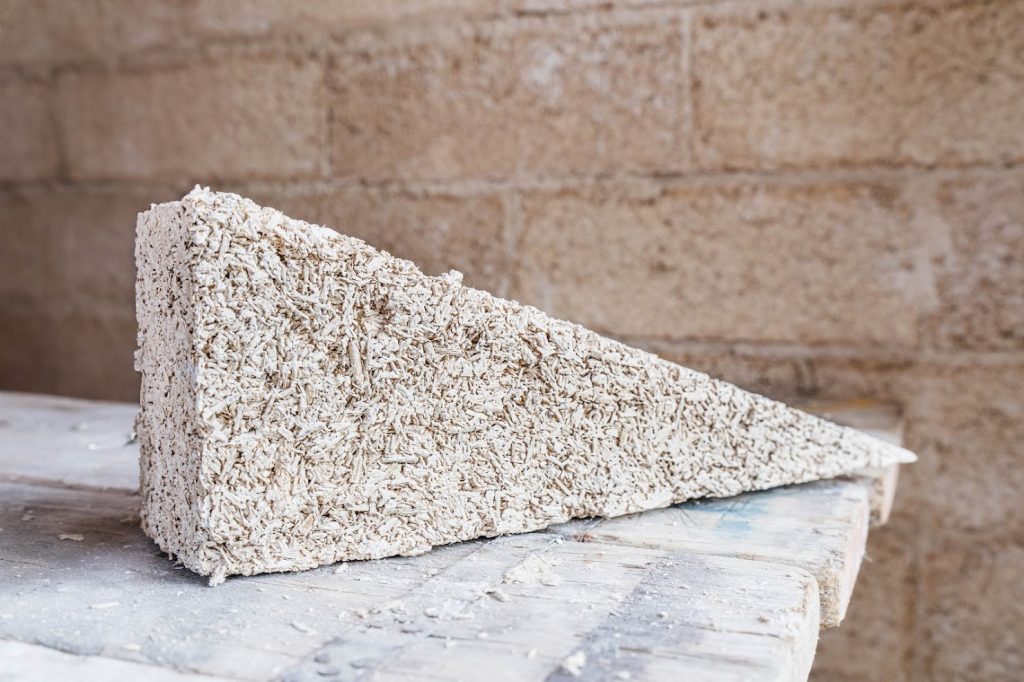
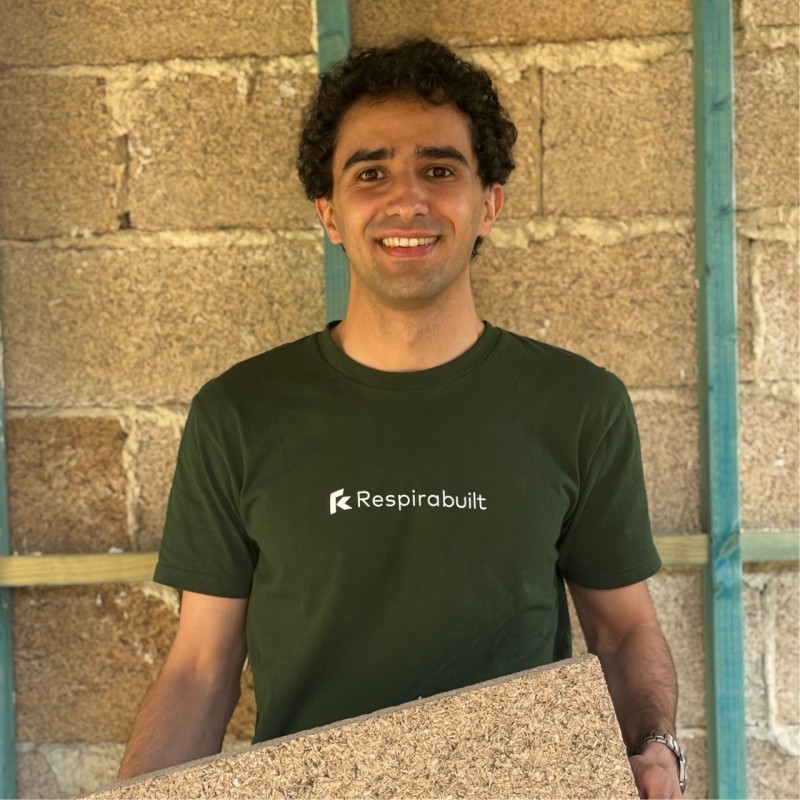
Respirablocks are easy to cut.
5. Regulatory Considerations
Because hempcrete is still emerging in mainstream Australian construction, these documents streamline planning approvals and ensure regulatory compliance without costly delays.
At Respirabuilt, we take the headache out of compliance:
Integrated engineering service
We liaise directly with your deigner, council or surveyor on your behalf—at no extra cost per m².
Smooth approvals
We handle submissions to your building surveyor, securing acceptance quickly and efficiently.
Conclusion: Are Hempcrete’s Disadvantages Deal-Breakers?
While hempcrete has certain limitations, many of these can be managed with proper planning, material selection, and expert guidance.
At Respirabuilt, we specialize in hempcrete blocks, which address several drawbacks of cast-in-situ and sprayed hempcrete by reducing drying time and making installation easier.
Thinking About Using Hempcrete?
If you’re considering hempcrete for your next project, get in touch with Respirabuilt! Our team is here to provide expert advice and high-quality hempcrete blocks that simplify construction while delivering the natural benefits of hempcrete.
Making hempcrete easy.