Shed House vs. Traditional Home: The Smart and Affordable Housing Revolution
Can a shed house beat a traditional build? Cost, build time, comfort and council approval compared — and how hempcrete blocks make a shed a real home.
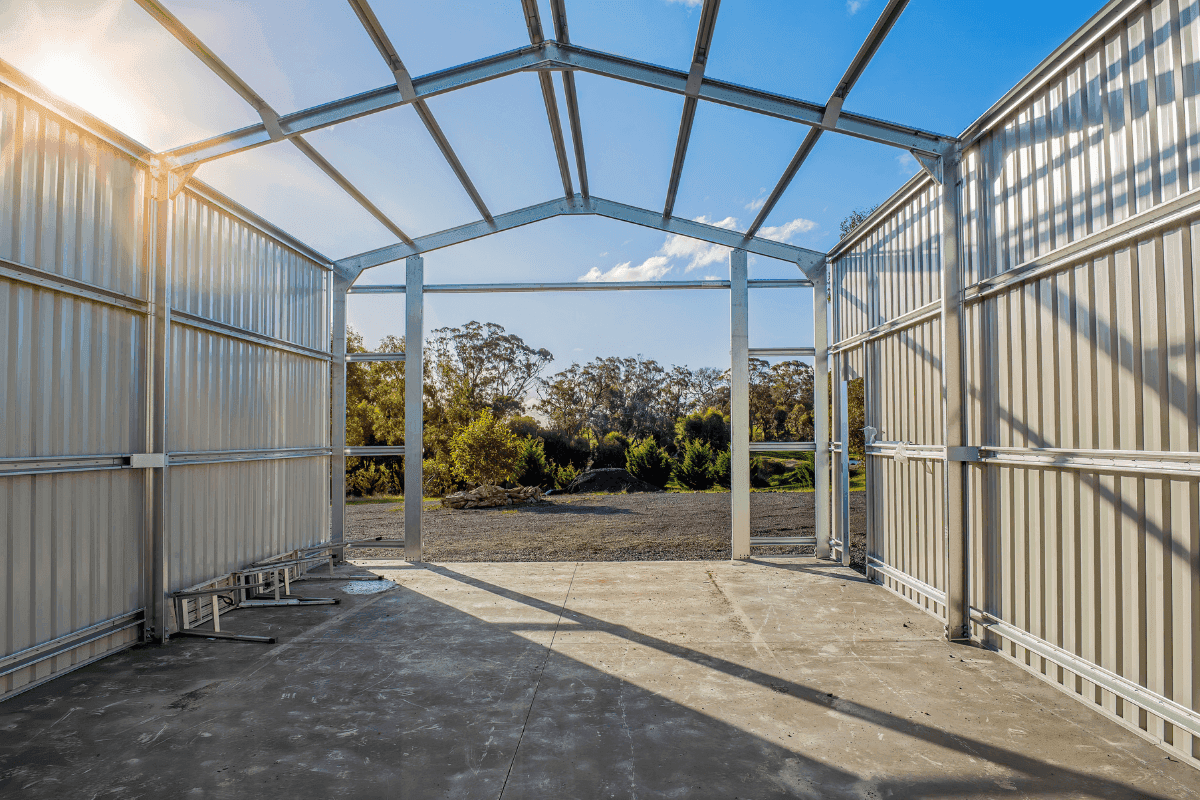
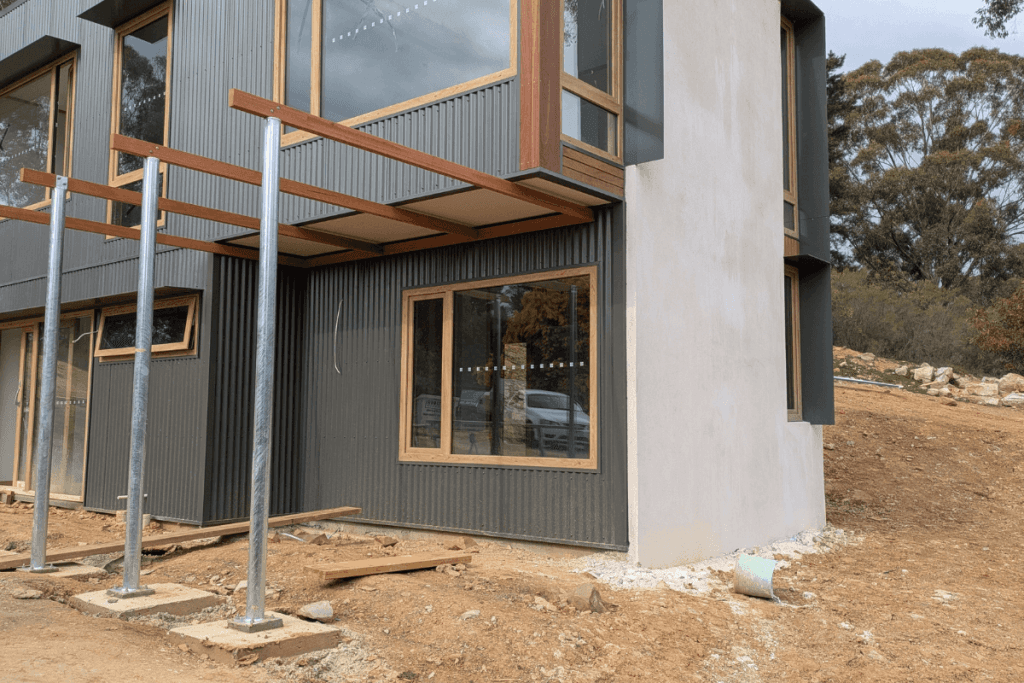
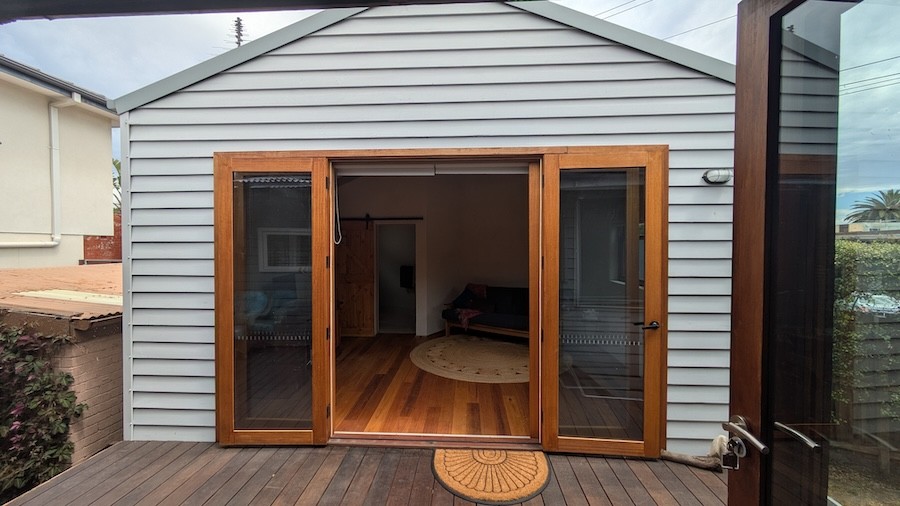
Shed houses in Australia show how affordable homes can combine modern design with practical materials.
This should not come as a surprise; Australia is forecast to fall short of its housing target by 262,000 homes. It was a bold target, 1.2 million dwellings by 2029. Not only was this pressure too much to bear, but the rise of the housing crisis and the high costs associated with building a house have left many families stuck between waiting for years or paying more than they can afford.
Now, where does that leave the everyday Australian? Out in the country, on small farms, or even just looking for space to breathe. Maybe the answer isn’t a bigger mortgage or years stuck waiting for builders. Perhaps it’s the same structure you already know, just approached in a new way, with newer materials like hempcrete blocks, which actually allow walls to breathe. Shed houses are being reimagined as a smarter way to combine comfort, durability, and affordability. So we’ll ask you this: what else is possible?
What and why the shed house is booming in Australia
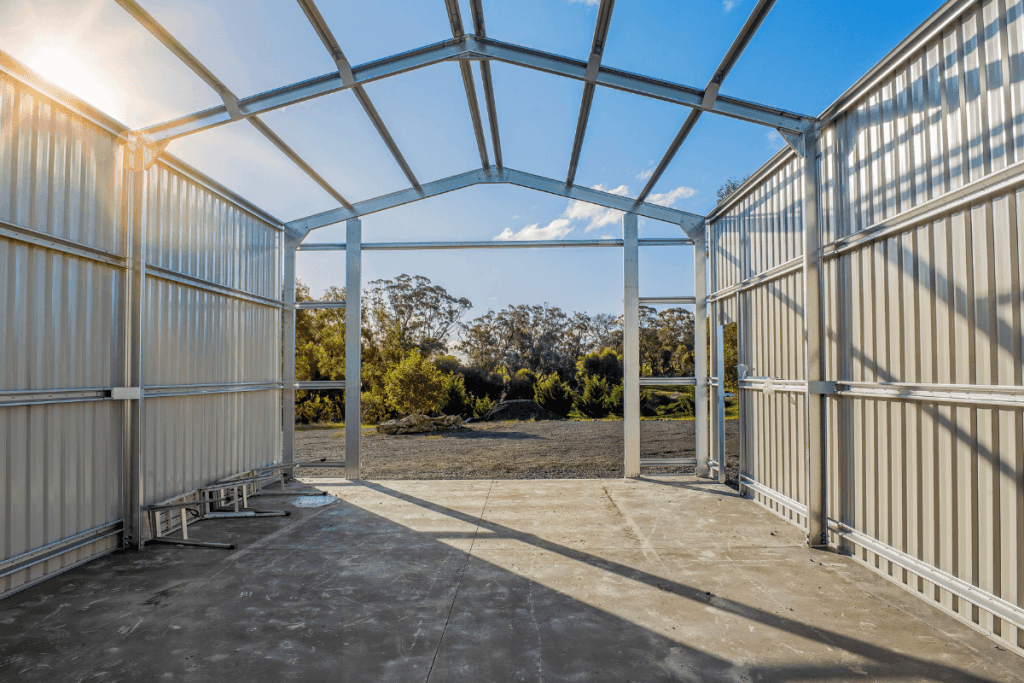
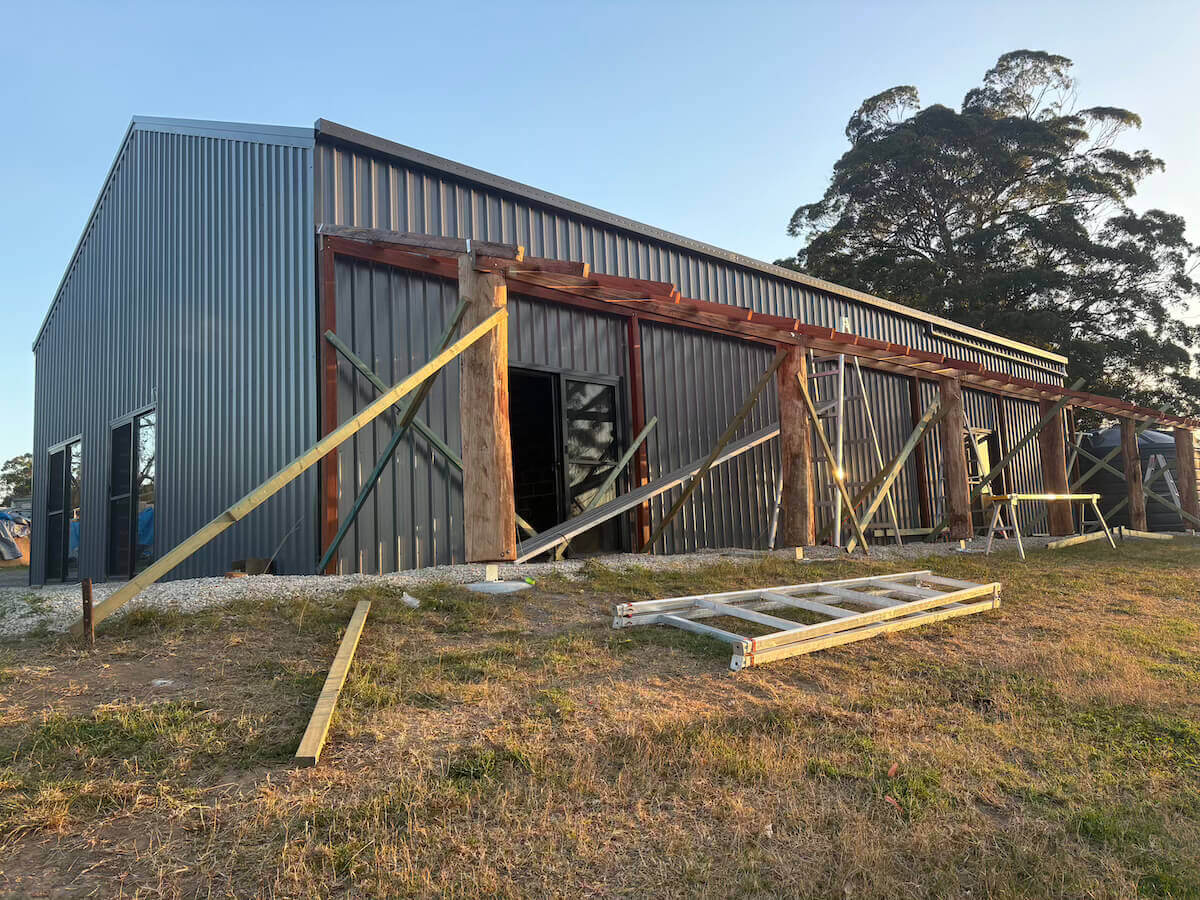
Shed houses are quicker to build and easier to manage compared to traditional homes.
Australia’s housing market isn’t exactly rolling out the welcome mat. Prices are climbing, builders are charging more than ever, and hiring an architect or engineer only adds to the bill. For a lot of families, the “traditional home” is starting to look out of reach, and housing affordability has only gotten worse in recent years.
Funny thing is, the solution is not some futuristic design or even in the hands of a fancy architect’s sketch. It’s the good old shed, the same one familiar sitting in the backyard, where you and your cousins mucked around at grandpa’s place.
Only now do sheds no longer just serve as storage for tractors and tools. With housing costs rising and builder wait times increasing, more Australians are rethinking what a home can be. That’s why shed houses are booming. Prefab shed kits cut the time, cut the cost, and skip the endless back and forth. What used to be a structure for tools or tractors is now being reimagined as a home. Quicker to build, easier to manage, and far more affordable than the standard route.
Shed house vs Conventional House: What’s the Difference
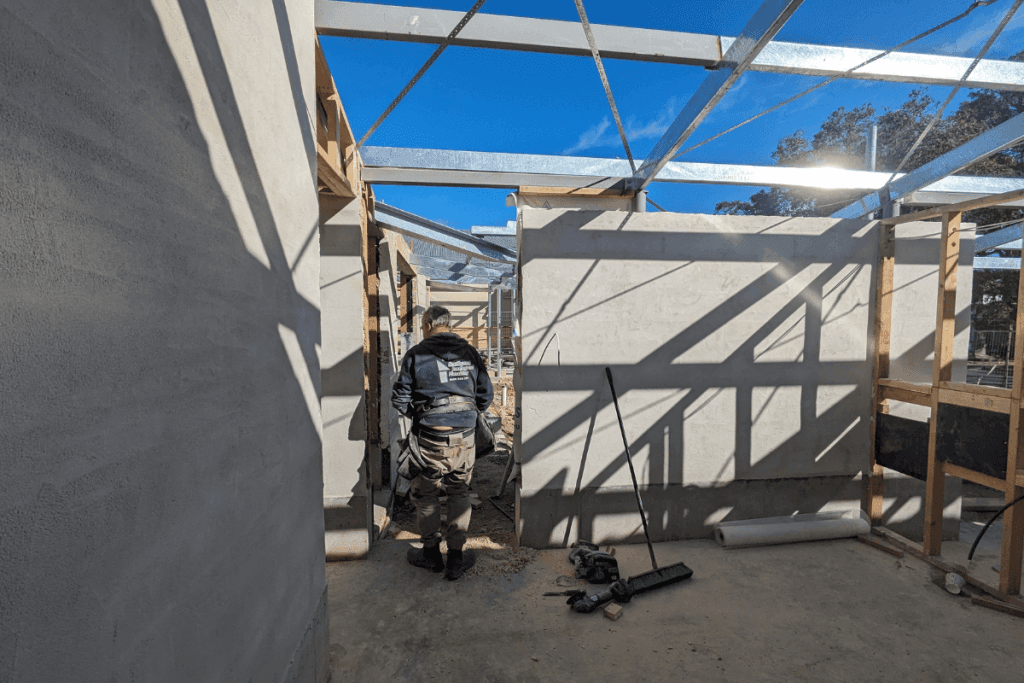
Shed houses often use streamlined construction, cutting down on delays and costs compared to conventional builds.
Anyone who’s tried to build the “traditional way” knows the drill. You line up the professionals, wait on approvals, get quotes from builders, and overthink as the numbers climb higher with every delay and by the time the frames are up, you’ve already spent a fortune and lost a year of your life, and nope, you’re not even close to moving in.
Now imagine building with LEGO, only the blocks are all made to fit. Pre-engineered so half the headaches disappear. The inspo photo is already on the table, so you skip the endless redraws and get on the fast track to actually living in your property.
And once the structure is up, the inside is yours. No load-bearing walls telling you what goes where. The layout bends around your lifestyle instead of locking you into someone else’s plan.
Common downsides of poorly planned shed homes
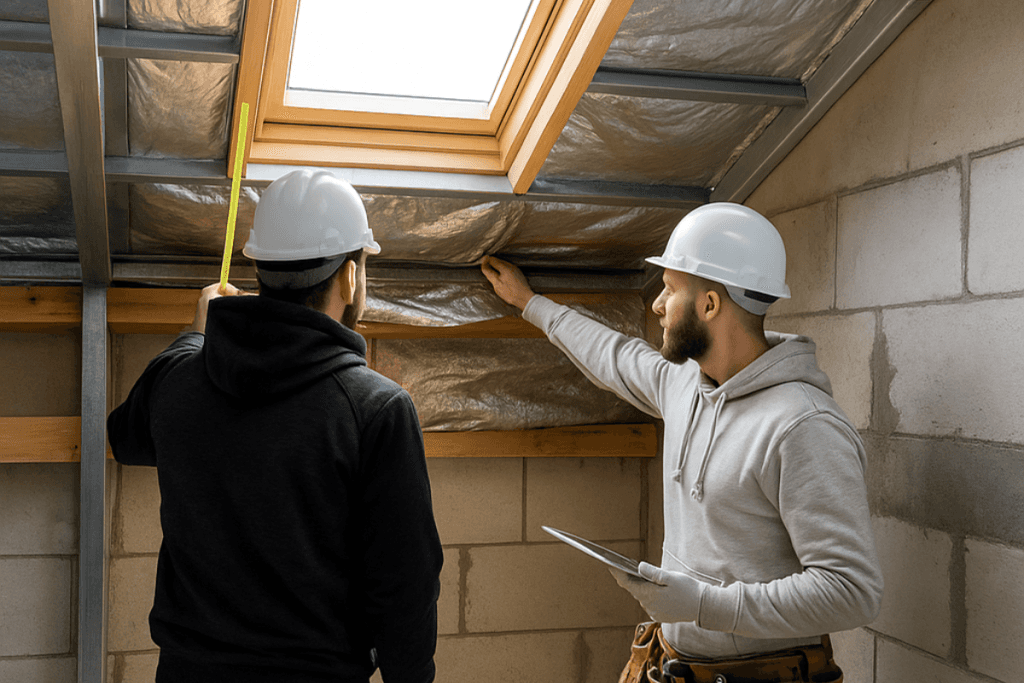
Without proper planning, shed houses often suffer from damp, poor insulation, and early maintenance problems.
Shed houses are on the rise for good reason. They’re quicker, simpler, and far more affordable than going down the traditional path. However, just like any build, there are a few pitfalls that people fall into when they rush the process or cut corners. Too many sheds that are converted into homes often end up with the same oversights. Tin walls start sweating, and suddenly you’re dealing with damp patches and mouldy corners.
Skip proper insulation, and the place swings from oven to icebox in a single day. Go cheap on materials and you’ll pay for it later. Sagging plaster, slumping batts, and repairs you didn’t budget for become part of the deal. These are the things that give shed homes a bad name, and the reason a little extra thought at the start saves a whole lot of headaches later. Even council rules for converting a shed into a house can trip people up if they don’t plan properly.
How Hempcrete Blocks Solve These Shed House Issues
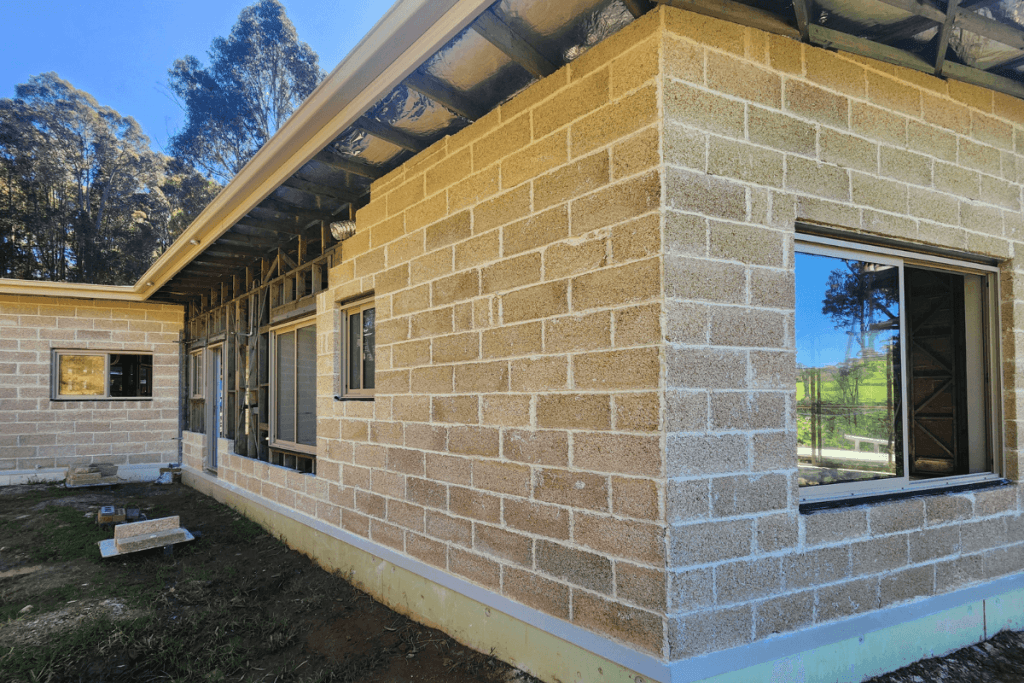
Hemp blocks create walls that naturally regulate moisture, resist mould, and keep homes comfortable year-round.
Are you able to piece the puzzle? Most shed home problems start with the walls. Tin sweats, plaster sags, insulation slumps, and before you know it, you’re stuck with maintenance jobs you never signed up for.
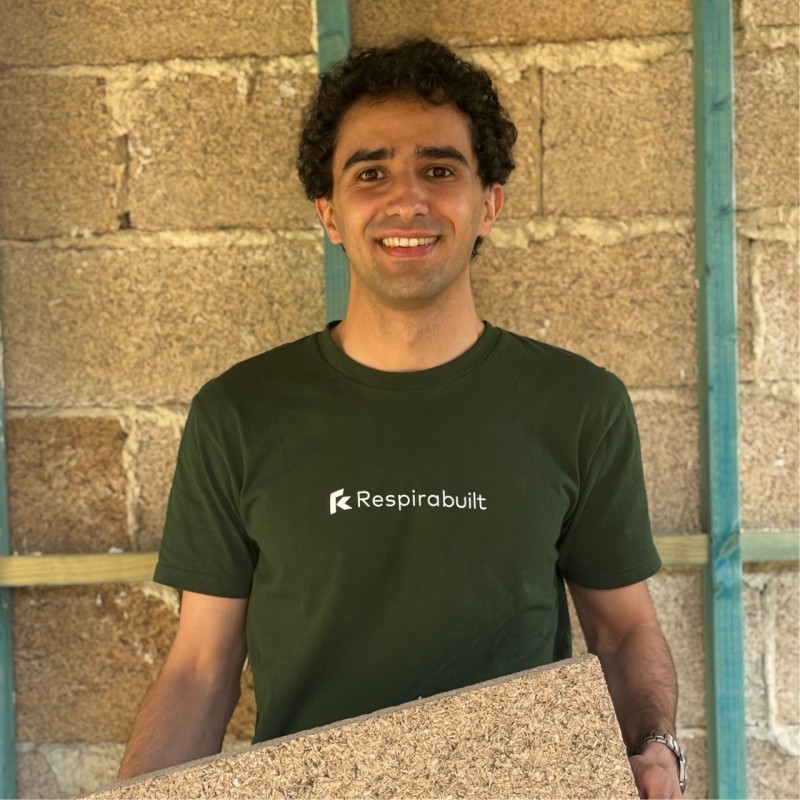
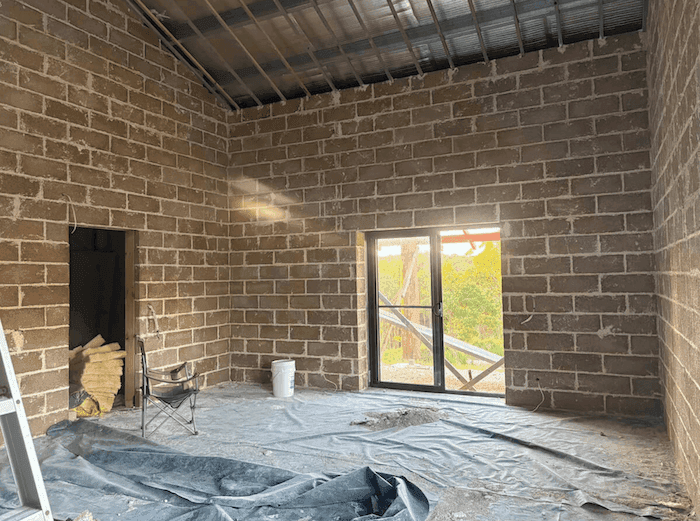
So how do you sidestep all that? You start with walls that actually work for you. Hempcrete blocks are designed to breathe, letting moisture move through instead of trapping it inside. RespiraBuilt shapes these into RespiraBlocks, which are specifically designed for shed house builds in Australia, but the principle remains the same. Moisture is regulated, which means no damp corners and no mould creeping in. The air stays healthier, the walls stay sound, and you are not stuck scrubbing or repainting every couple of years.
They also act as a natural thermal buffer. In winter, Hempcrete blocks hold warmth, so mornings are not spent shivering through breakfast. In summer, they resist heat, so you are not walking into a hotbox at the end of the day. Comfort is built into the walls, rather than relying on heaters, fans, or air conditioning running at full tilt. As shown in the Hempcrete R-value guide, thicker blocks can achieve higher insulation performance, providing clarity on what works best for different climates.
And because each block does the job of plaster, batts, and wrap all in one, there is less to buy, less to install, and less to fail later, no slumping insulation, no sagging plaster, just solid walls that keep working year after year. The payoff is simple: fewer problems to fix, lower running costs, and a shed house that feels good to live in for the long haul.
A shed can be a dream home or a damp regret. The difference? Preparation. If you’re considering a shed house, it’s worth looking into a few resources before you start sketching plans. The smartest first step is having the right guide in your hands.
Shed-to-Home ebook shows you how to cut costs, avoid the mistakes, and build walls that stay solid for years. Inside, you’ll learn how to budget smarter, move through approvals faster, and design a home that keeps its value long after the frames go up.