Can I Convert a Shed Into a House?
Find out if you can convert a shed into a house. Explore key considerations, steps, and tips for turning a shed into a cozy, livable home.
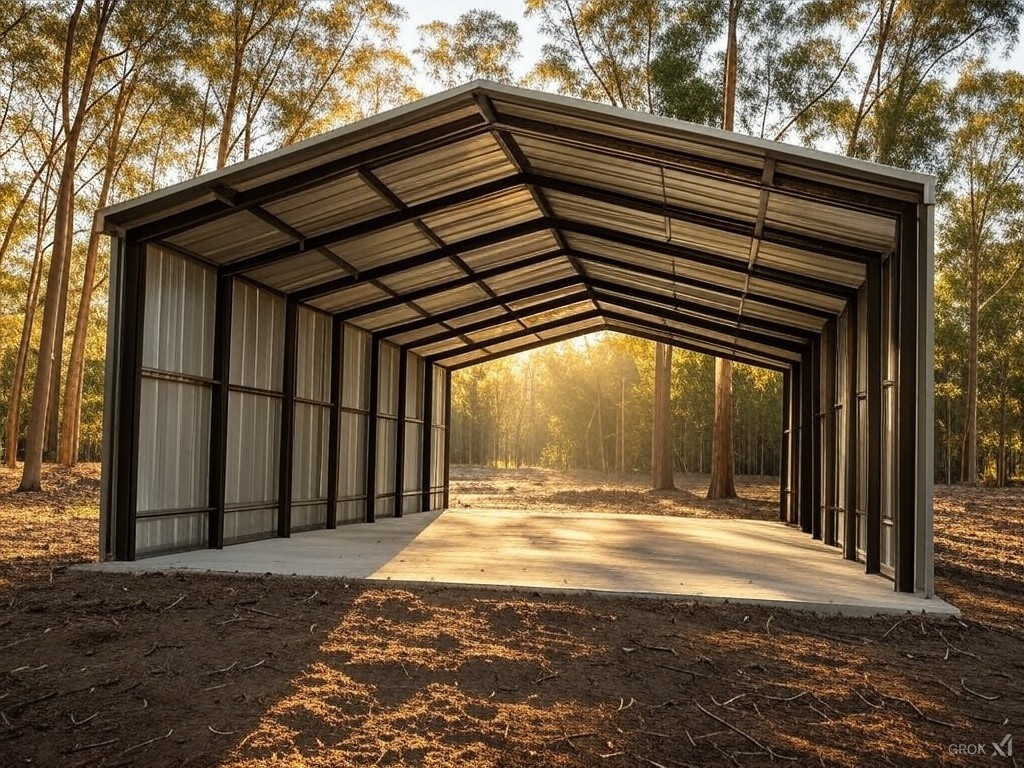
Transforming Sheds into Sustainable Homes: Embracing Natural Materials and Shed Conversions for Affordable and Healthy Low VOC Living
Across the country, people are using shed frames to create cosy, healthy homes without breaking the bank.
Companies like ShedHouse have made this vision a reality, rising in popularity by showcasing stunning shed conversions that blend affordability with sustainability.
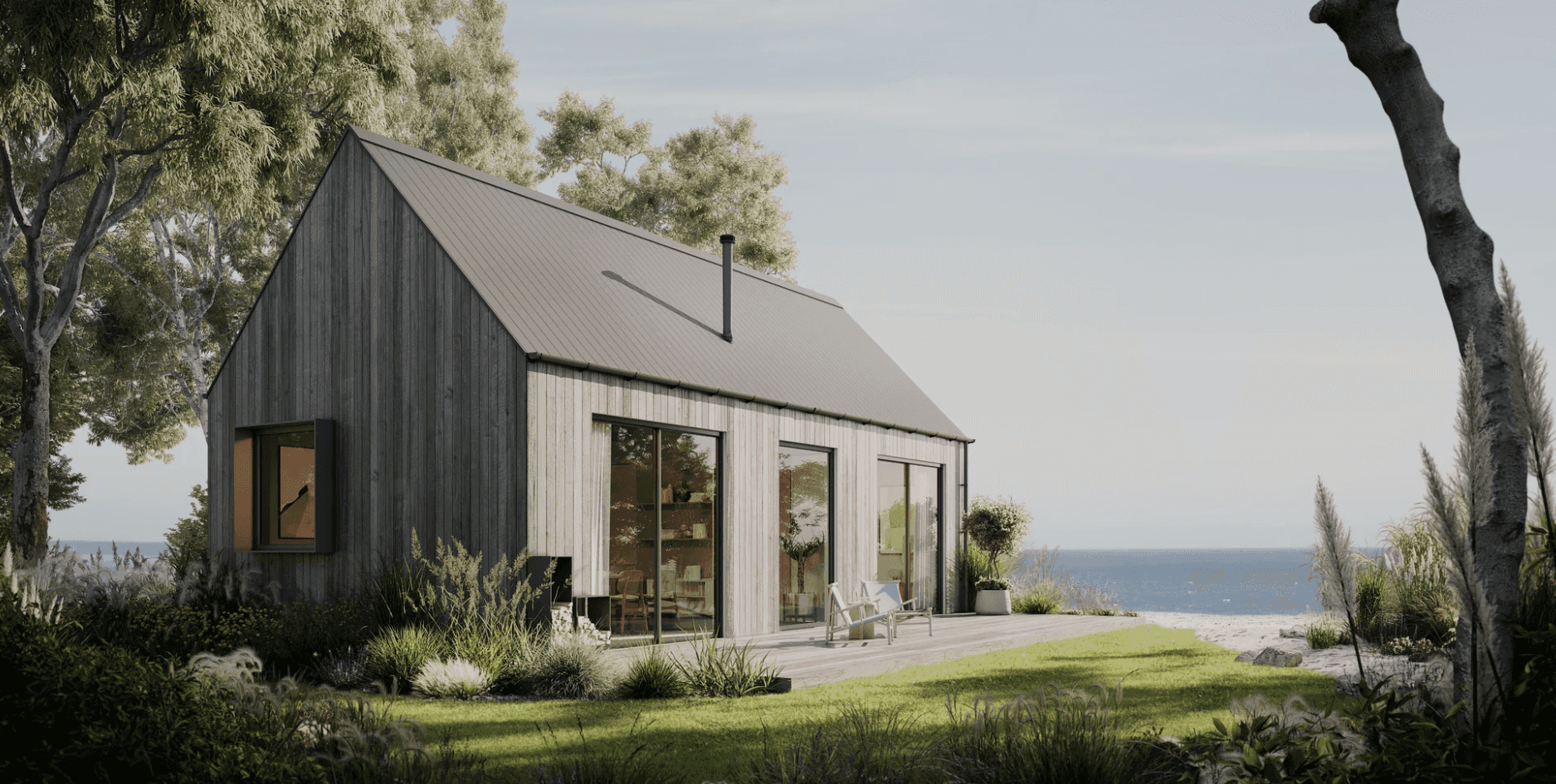
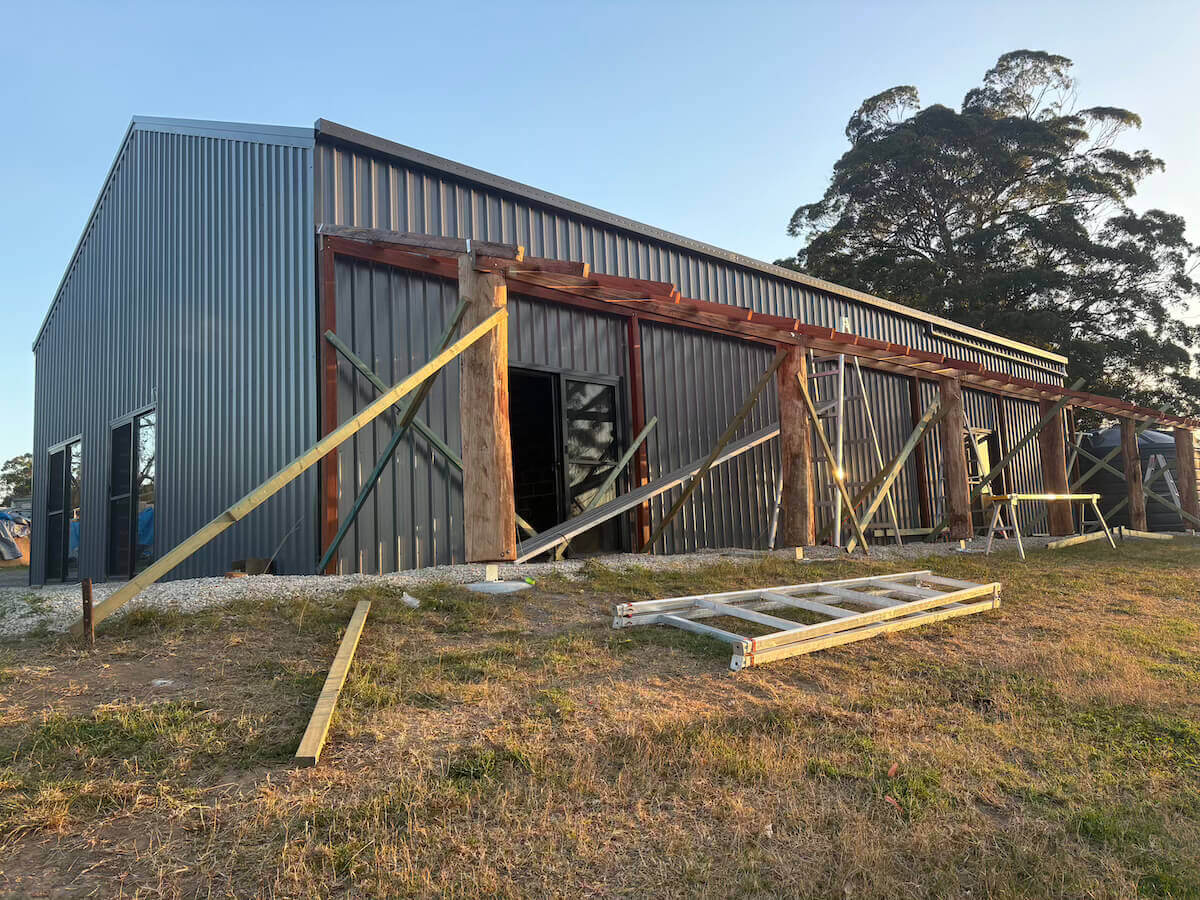
Image courtesy of Shedhouse Australia
Shed Conversions as a Solution to Modern Challenges
The rising housing shortage, coupled with a scarcity of builders and tradespeople, has made finding affordable living solutions increasingly challenging. Additionally, the cost of living continues to climb, putting further pressure on individuals and families seeking economical housing options.
Shed conversions offer a practical and innovative approach to these issues, providing a way to create a living space without the lengthy timelines and high costs associated with traditional construction. Furthermore, many on this path are also leveraging the benefits of the myriad affordable natural building materials coming to market in order to address the indoor air quality crisis.
Navigating Local Regulations: Shed Conversions Across Australia
Understanding Planning Permits
Before embarking on a shed conversion project anywhere in Australia, it’s crucial to understand the local council regulations regarding outbuildings (sheds) in your particular area.
The great news is that many regional councils across Australia permit the construction of sheds or outbuildings without requiring a planning permit, provided certain conditions are met. These conditions typically include restrictions on size, height, and location on the property.
Councils in Regional Australia Allowing Shed Constructions Without a Planning Permit
To illustrate, we’ve listed eight regions which were chosen at random to demonstrate the general permissiveness of regional regulations:
Mornington Peninsula Shire (Victoria): Permits sheds up to specified dimensions without a planning permit, focusing on minimal visual impact.
Boroondara City Council (Victoria): Allows for outbuildings that comply with size and location regulations, facilitating easy backyard enhancements.
Mildura Rural City Council (Victoria): Supports shed constructions within set size limits, promoting affordable housing solutions in rural areas.
Warrnambool City Council (Victoria): Permits small sheds without a permit, provided they meet established size and placement guidelines.
Gippsland Regional Council (Victoria): Allows outbuildings under certain dimensions, encouraging sustainable backyard developments.
Blue Mountains City Council (New South Wales): Permits sheds that adhere to size and height restrictions, promoting backyard transformations.
Logan City Council (Queensland): Supports outbuildings that meet specific criteria, facilitating affordable housing options.
Tasmanian Rural Councils (Tasmania): Various rural councils in Tasmania allow shed constructions without permits if they comply with local guidelines.
Note: Always verify with your local council before commencing construction, as regulations are subject to change and may have additional requirements.
Residential Classification
What many people do not know is that you can actually use kit shed to reach the lock-up stage far quicker than with standard stick frame construction, whilst still lodging the structure for planning as a Class 1 Home—a classification for residential buildings. This is leading many future home builders to ask the question? Why pay for a designer, architect, builder and engineer when we can have all of these boxes ticked and hurdles jumped with one process? Why dont we get to lock-up stage without the builder and take care of the fitout ourselves?
Why Choose Shed Conversions for Affordable Housing?
Cost-Effective and Quick Build Time
Shed conversions are significantly cheaper than traditional home construction. While groundwork is still necessary, the shed structure and roof can be installed within three to four weeks, reaching the lock-up stage—where the building is weather-tight and secure. Currently, there are an array of companies that offer turnkey shed solutions which can get you quickly to lock-up stage. These sheds have a pre-engineered foundation and structure, including wind and fire ratings, which saves substantial sums of money.
Customizable Spaces
The portal frame by nature offers huge flexibility in interior layouts, allowing you to place non-load-bearing and partition walls anywhere without worrying about providing structural support.
Once the shed is weather-tight and secure, the more straightforward task of handling the interior fitout process can be undertaken independently. By configuring the internal environment themselves and engaging finishing trades for areas like kitchens, bathrooms, and living spaces, homeowners can further reduce costs. This approach allows for greater customization and significant savings, as managing the fitout process eliminates additional builders margins and managment costs.
Embracing Natural Materials: Creating a Home from a Shed
Natural materials in shedhomes work hand in hand, because natural materials possess superior moisture regulation and thermal performance. By integrating natural materials, shed homes become not only more visually appealing but also healthier and more comfortable to live in. According to the Your Home Government Website, the rise in respiratory issues and concerns over sick building syndrome has heightened interest in natural, low VOC (Volatile Organic Compounds) materials, making them a preferred choice for creating healthier living spaces.
Benefits of Natural Materials
Using natural materials in shed conversions offers several advantages:
Moisture Regulation: Natural materials can effectively manage humidity, preventing mold and dampness. Modern materials trap moisture. Think mushrooms in a plastic bag, the horror!
Comfort: These materials create a warm and inviting atmosphere, making the shed feel like a home rather than a cold, drafty space. Mositure regulation is the gold standard of comfort.
Human Health: Natural materials improve indoor air quality, reducing allergens and irritants that can trigger asthma and other respiratory issues.
Case Studies: Successful Shed Conversions with Natural Materials
Example 1: The Strathbogie Ranges Home
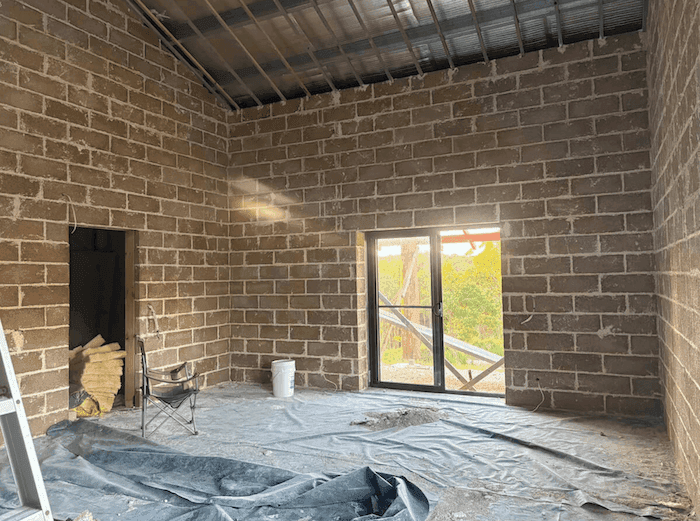
For her forever home in the beautiful Strathbogie Ranges, Ondine repurposed a historic 1970s Lysaght prefab shed into a sustainable, low VOC living space using RespiraBlocks and RespiraPanel. This eco-friendly haven features a high-performance thermal envelope, renewable energy systems, and native landscaping to support biodiversity, addressing both environmental and health concerns like sick building syndrome. (View the project details here)
Example 2: The Fish Creek House
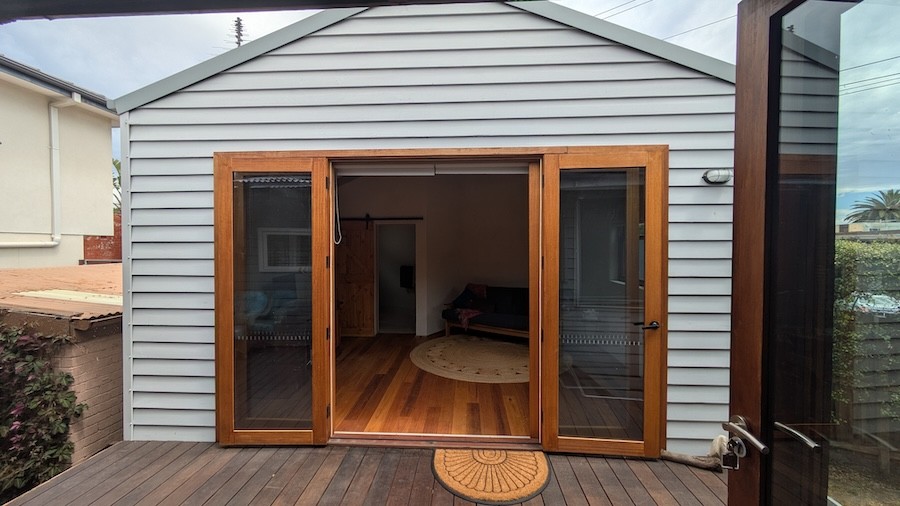
The Fish Creek House by ArchiBlox is an eco-friendly, off-grid haven that transforms the traditional Australian shed into a modern, comfortable home. Designed to respect its habitat and minimize environmental impact, this ‘eco-luxe’ cabin utilizes sustainable materials and passive heating solutions, enhancing indoor air quality and reducing mold-related issues. This project exemplifies how shed conversions can balance aesthetics with environmental responsibility, offering a functional and healthy living space. (View the project details here)
Example 3: The Gerroa Farmhouse
Owners Nick and Suzy O’Rouke transformed their rolling acreage in Gerroa into a rustic, robust farmhouse that perfectly matches the local vernacular while providing accommodation for their family and guests. Designed by Alexander Michael, the open-plan living space features raw, cost-effective materials like plywood, steel, and polished concrete, complemented by an enormous louvred glass window that connects the interior to expansive coastal views, enhancing air quality and preventing mold. (View the project details here)
Building a Greener Future, One Shed at a Time
Shed conversions present a unique opportunity to create affordable, sustainable living spaces. By integrating natural materials, homeowners can enhance their conversions with superior moisture regulation, improved health benefits, and a comfortable, home-like environment. Embracing this innovative approach not only addresses housing affordability but also contributes to a greener, more sustainable future.