House Building Materials in Australia 2026
Compare the most popular building materials for Australian homes on cost, durability, energy efficiency and climate fit — from hempcrete to timber and steel.
Selecting the right building materials is crucial for constructing a durable and sustainable home in Australia. The unique climate variations across the country demand materials that offer strength and resilience. Choosing the appropriate materials can significantly impact the energy efficiency, costs, and longevity of your home.
The market provides a variety of options, each with its own advantages. Builders, architects, and homeowners must consider factors such as weather conditions, environmental impact, and maintenance requirements when making decisions. The ideal choice balances functionality and aesthetics, ensuring both comfort and style.
1) Hempcrete
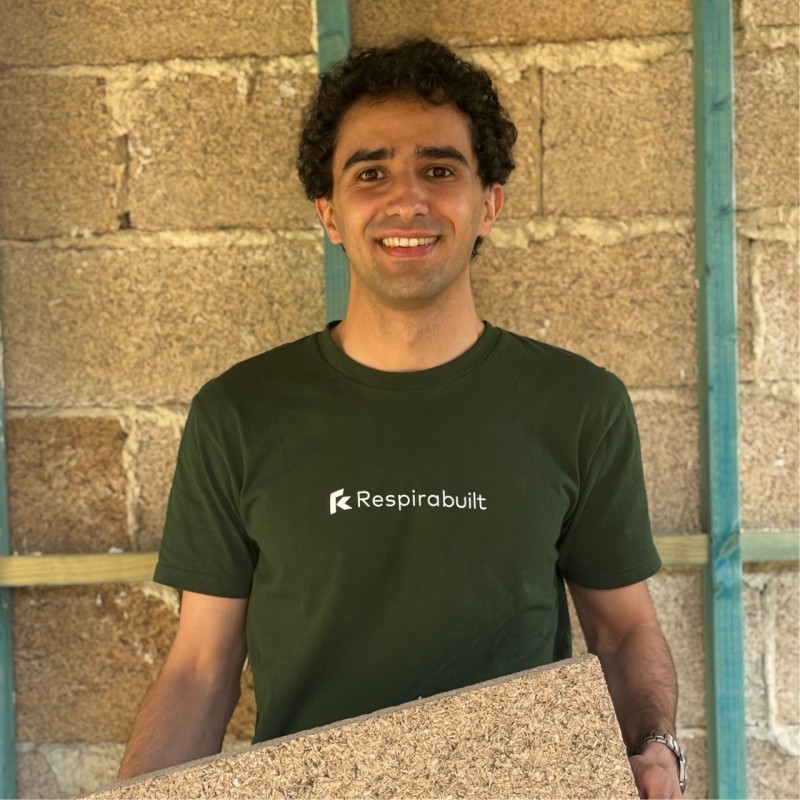
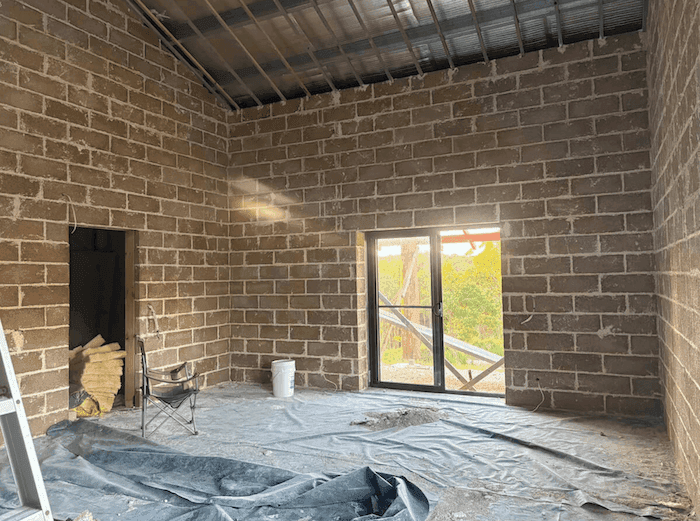
Hempcrete is a sustainable building material made from the inner woody core of the hemp plant mixed with a lime binder. This combination creates a lightweight, insulating composite that is ideal for eco-friendly construction. Its unique properties make it resistant to mould, pests, and fire, providing a safe environment for homes.
The use of hempcrete in Australia has gained traction due to its environmental benefits. As a highly renewable resource, hemp sequesters carbon during its growth, contributing to a reduced carbon footprint. Additionally, hempcrete provides excellent thermal insulation, helping maintain comfortable indoor temperatures with minimal energy consumption.
Easy to work with, hempcrete can be formed into blocks or cast in situ, offering flexibility in design and construction. It is non-structural, used mainly for walls, and requires a supporting frame. Builders appreciate its breathability, which helps prevent moisture build-up and enhances indoor air quality.
While its initial cost may be higher than traditional materials, the long-term benefits such as energy savings and durability often justify the investment. As efforts continue towards sustainable building practices, hempcrete stands out as a promising material for environmentally conscious construction in Australia.
2) Brick Veneer
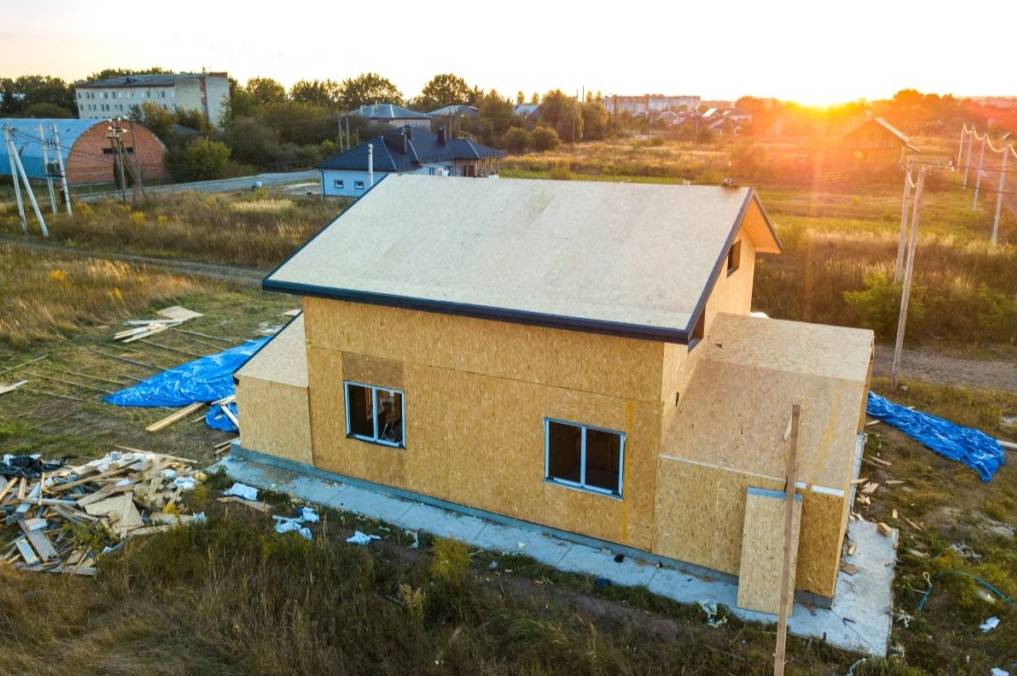
Brick veneer is a popular choice for house construction in Australia, offering both aesthetic appeal and practical benefits. This building technique involves creating a single layer of bricks that is attached to the exterior of a timber, steel, or concrete frame.
The primary advantage of brick veneer is its ability to enhance the exterior appearance of a home while providing added insulation against harsh weather conditions. It also offers durability and requires minimal maintenance, which is attractive to many homeowners.
Brick veneer is often chosen for its versatility in design, enabling architects and builders to create various styles and finishes. It is also resistant to termites, which can be a significant concern in many parts of Australia.
Despite its many benefits, brick veneer is not a structural component; it primarily serves as a protective and decorative layer. Its installation can also be more costly compared to simple cladding options, but it typically increases the long-term value of the property.
This construction method remains a preferred option due to its balance of aesthetic charm and functional benefits, contributing to solid, stylish homes that stand the test of time.
3) Timber Framing
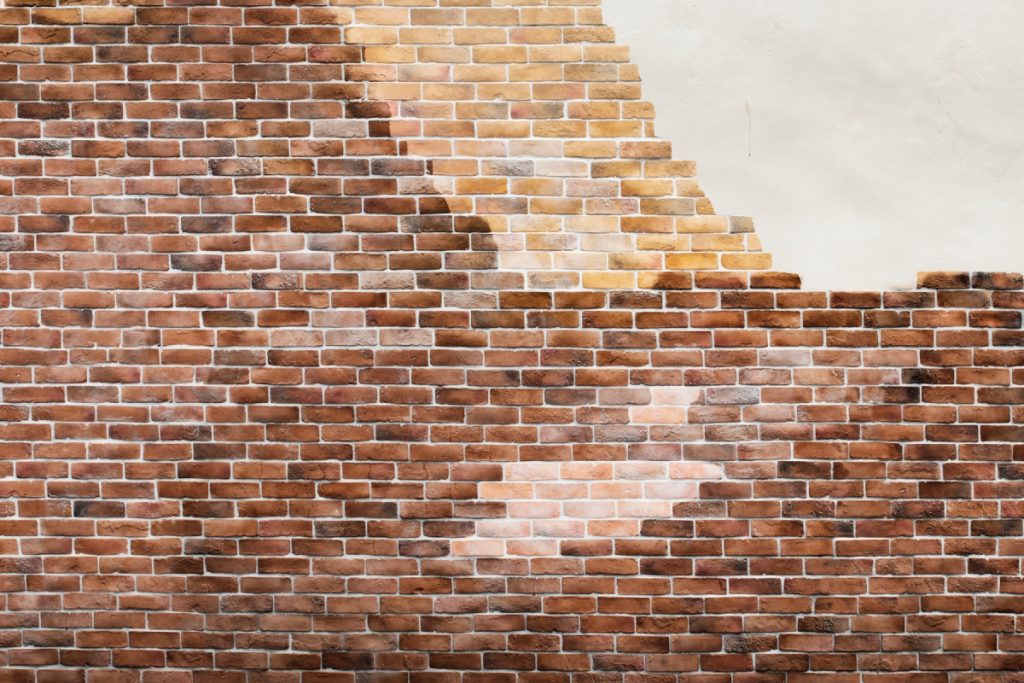
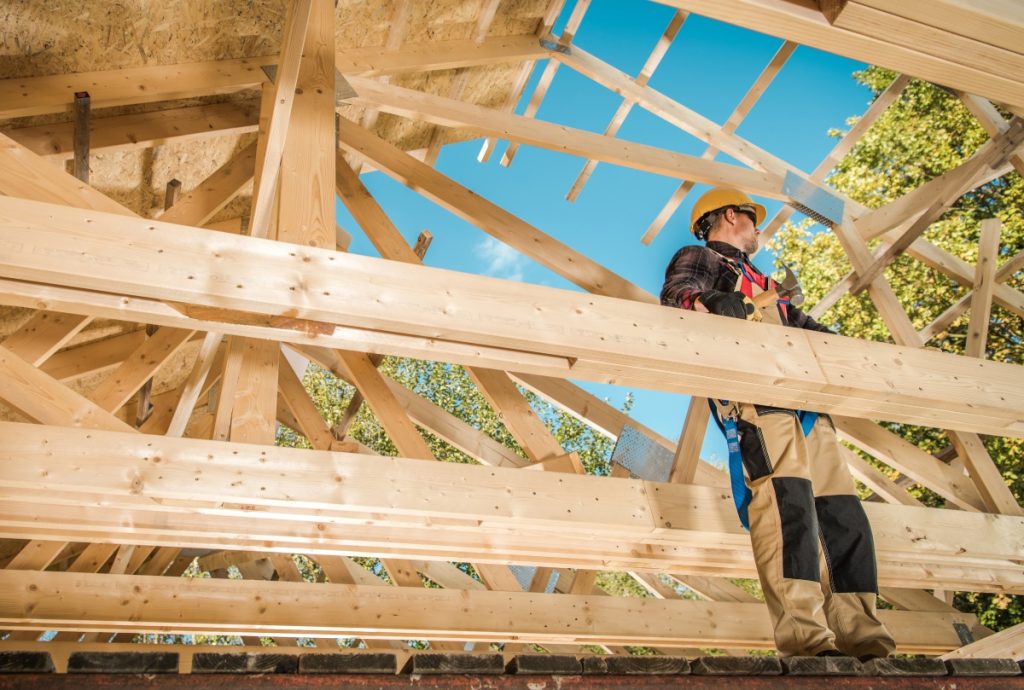
Timber framing is a popular choice for house construction in Australia. It offers a balance of strength and flexibility that is well-suited to the country’s climate. The resilience of timber allows it to withstand various weather conditions.
Builders often choose timber for its versatility. It can be used to create different architectural styles, from traditional to modern. Additionally, it is a renewable resource, making it an environmentally conscious option.
The thermal efficiency of timber helps in maintaining indoor temperatures. This can contribute to energy savings, which is appealing for homeowners. Moreover, timber frames are relatively quick and straightforward to assemble.
For those considering timber, it’s important to ensure proper treatment against pests and decay. This helps maintain the structure’s integrity over time. Regular maintenance and inspections can prolong the lifespan of timber-framed homes.
4) Double Brick
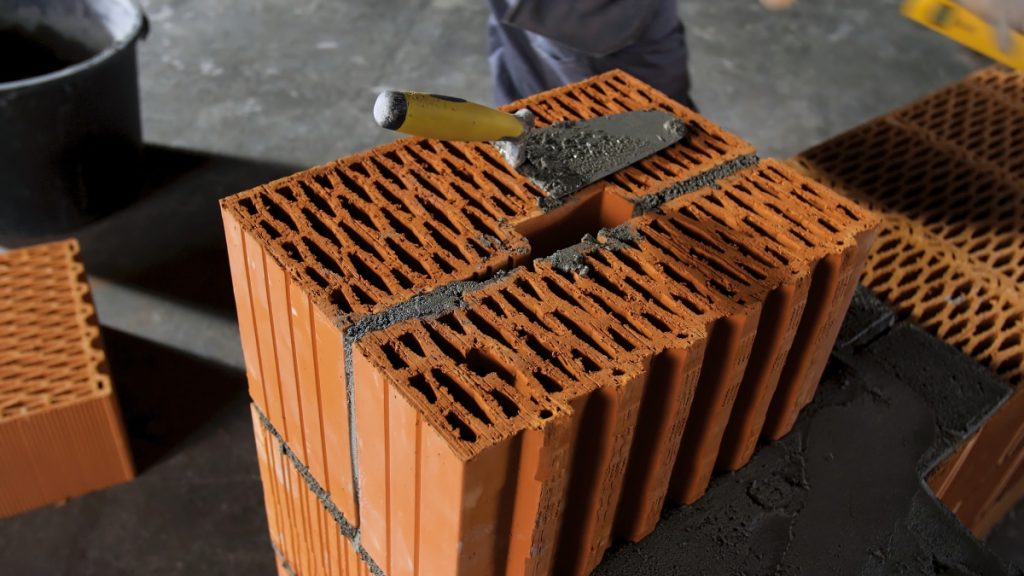
Double brick is a popular choice in Australian home construction for its strength and insulation properties. Consisting of two layers of bricks with a cavity in between, it provides excellent thermal and acoustic insulation, making it suitable for various climates.
The thermal mass of double brick helps regulate indoor temperatures, reducing the need for artificial heating and cooling. This can lead to energy efficiency and lower utility bills over time.
Using durable and fire-resistant materials, double brick is known for its long lifespan and low maintenance requirements, providing peace of mind for homeowners. Additionally, its soundproofing qualities make it a preferred option for homes in busy urban or suburban areas.
Despite the benefits, double brick construction can be more expensive and time-consuming compared to other materials. The costs are influenced by the labour-intensive process and the need for skilled craftsmen. Nonetheless, the investment often pays off due to the advantages in durability and energy savings.
5) Steel Frame
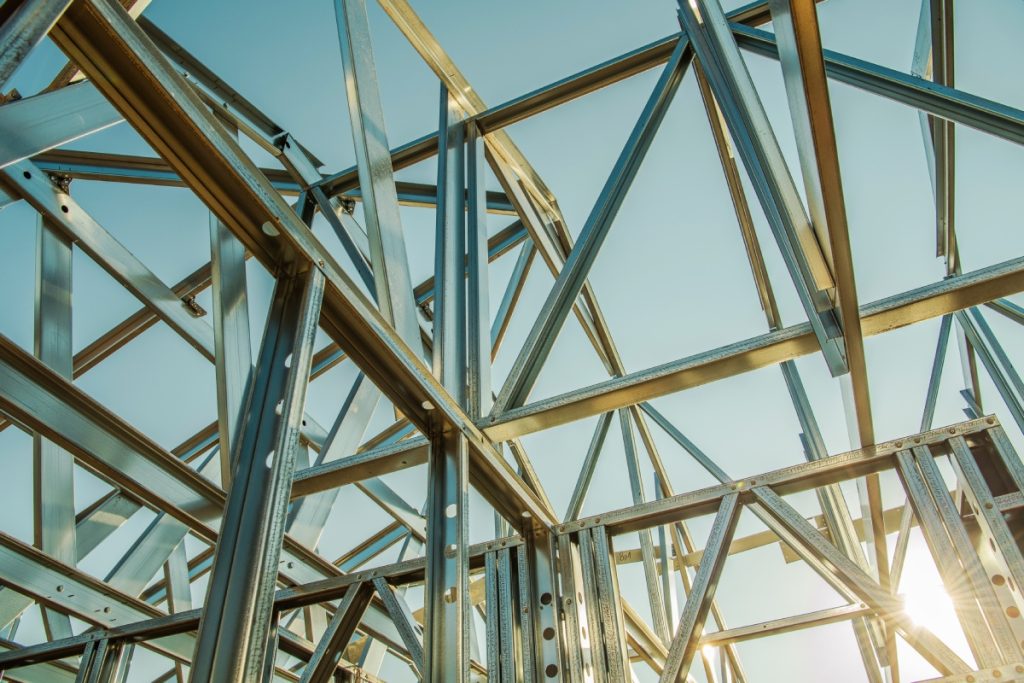
Steel frames are a popular choice for house building in Australia due to their strength and durability. They offer high resistance to termites and other pests, which can be a significant concern in many regions. Steel frames are also non-combustible, providing an additional safety benefit in areas prone to bushfires.
The precision of prefabricated steel frames ensures consistent quality and reduces construction time. This leads to faster project completion, benefiting both builders and homeowners. Furthermore, steel frames can accommodate architectural flexibility, supporting creative and innovative design.
Despite these advantages, steel frames can be more expensive than traditional timber options. They may also require additional insulation to enhance thermal performance. Nonetheless, for those prioritising longevity and robustness, steel frames present a reliable and effective building solution.
6) Autoclaved Aerated Concrete (AAC)
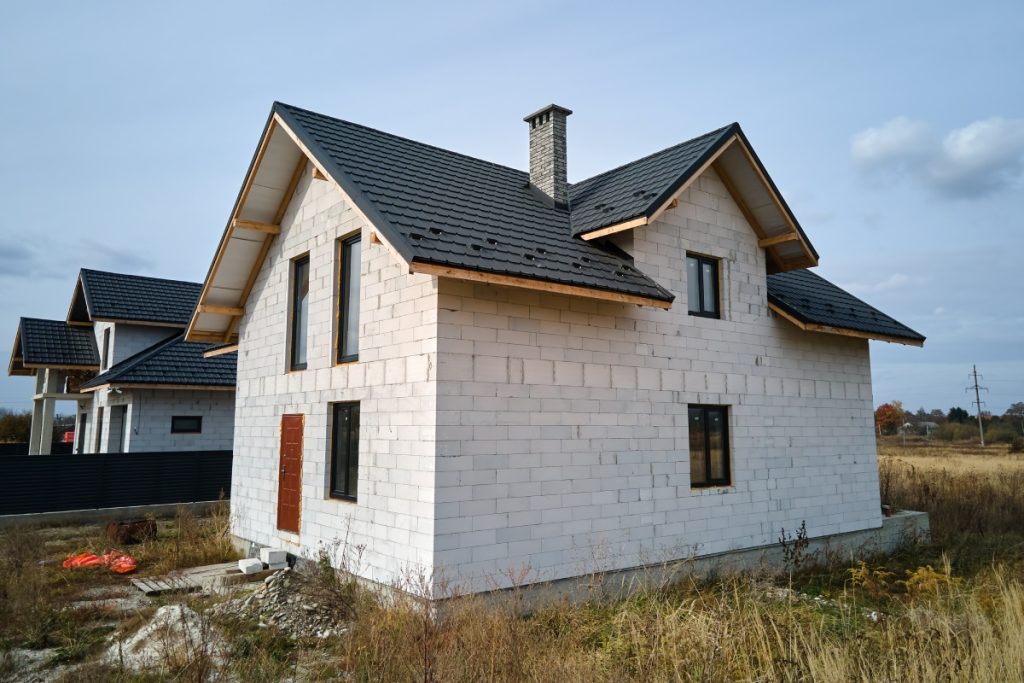
Autoclaved Aerated Concrete (AAC) is a popular construction material in Australia, known for its lightweight characteristics. It offers excellent thermal insulation properties, which contribute to energy efficiency in homes. These blocks are made from a combination of cement, lime, sand, and a small amount of aluminium powder, resulting in a porous, concrete product.
AAC is highly durable and resistant to fire, making it a safe choice for residential buildings. It is also soundproof and has good load-bearing capabilities, which can help reduce the overall structural weight without compromising strength. Its easy workability allows for rapid construction, and its versatility is suitable for both internal and external applications.
AAC is available in panels and blocks, providing flexibility in design and construction. It is eco-friendly, as it uses less raw material and energy during production compared to traditional concrete. This sustainable option, combined with a reduction in construction waste, makes AAC an attractive choice for environmentally-conscious builders in Australia. These qualities ensure that AAC remains a versatile and efficient material option for house building.
7) Insulated Concrete Forms (ICF)
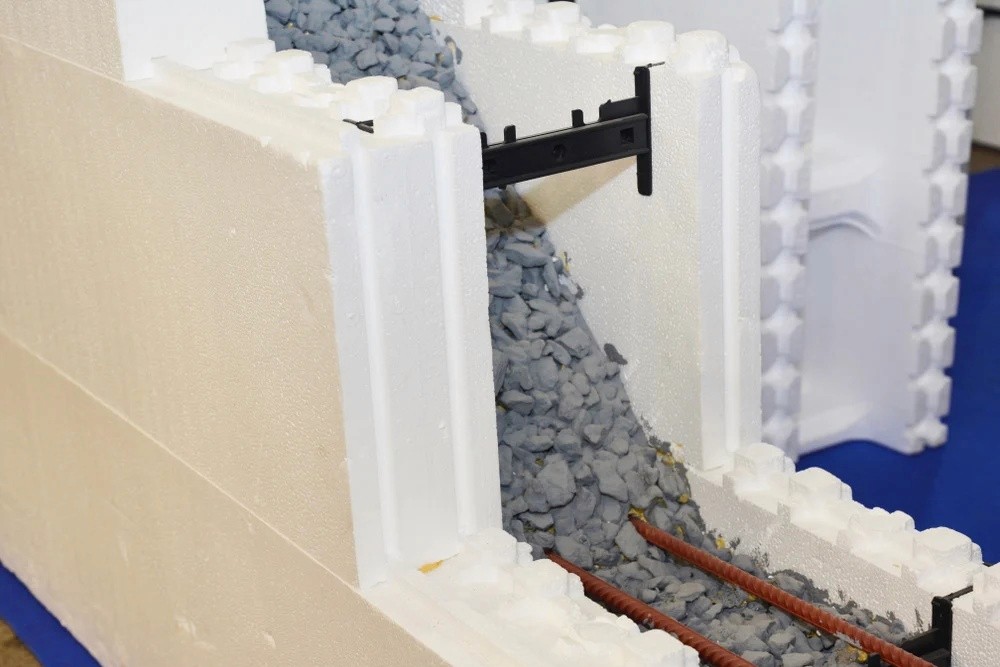
Insulated Concrete Forms (ICF) are gaining traction as a preferred building material in Australia. They consist of hollow blocks or panels made from expanded polystyrene that are filled with concrete. This combination creates a highly energy-efficient, strong, and durable structure.
ICF offers significant benefits in terms of energy efficiency. The insulating properties help in maintaining indoor temperature, which can lead to a significant reduction in heating and cooling costs. ICF structures are also known for their resilience against extreme weather conditions, making them suitable for various Australian climates.
Using ICF in construction results in a quieter home environment. The dense material effectively reduces noise transmission from the outside, contributing to a peaceful interior space. Furthermore, ICF walls often meet or exceed building code requirements, providing additional assurance of their reliability and quality.
ICF systems are versatile and can be used in various types of buildings, from residential homes to commercial properties. Their ease of installation can lead to faster construction times, and the material is also considered environmentally friendly due to its energy-saving capabilities.
8) Weatherboard Cladding
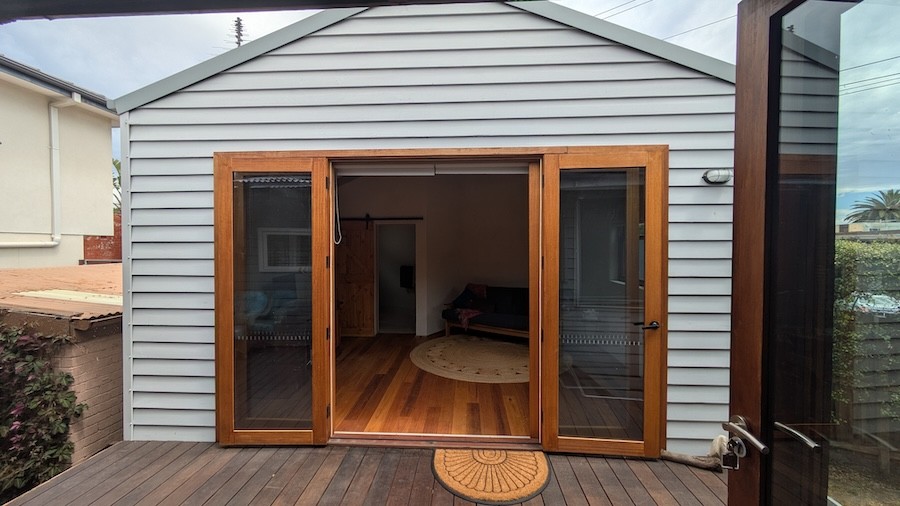
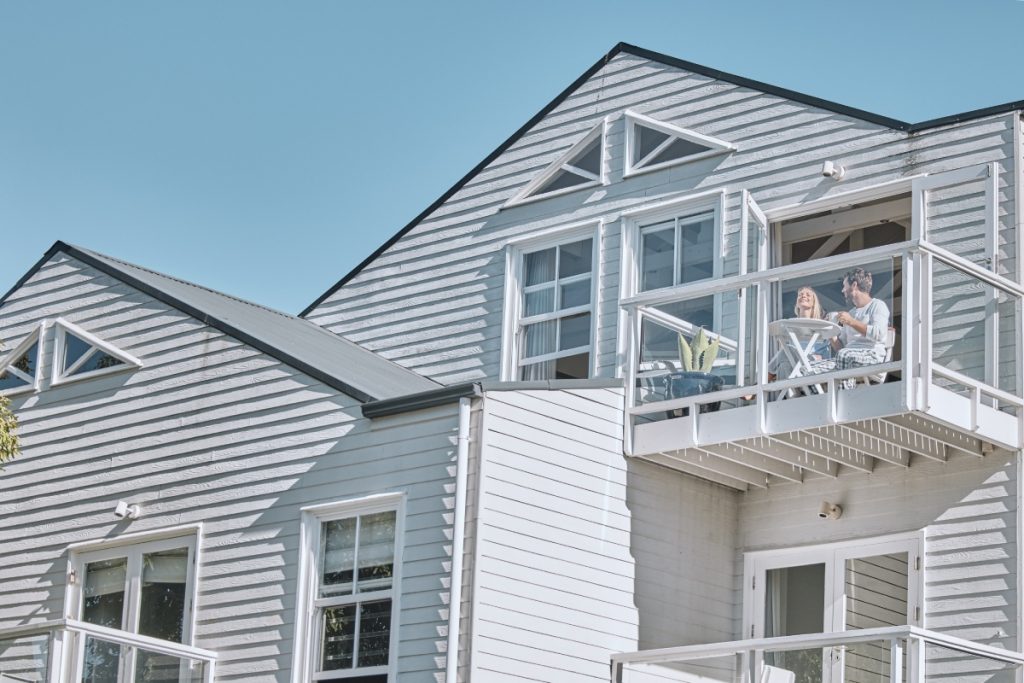
Weatherboard cladding is a popular choice for house exteriors in Australia due to its versatility and aesthetic appeal. It is typically made from timber, fibre cement, or composite materials, allowing for a range of textures and finishes that can complement various architectural styles.
The installation of weatherboard cladding provides a layer of insulation and protection from external elements. It is designed to withstand harsh weather conditions, making it a suitable option for Australia’s varied climate. The overlapping boards effectively prevent water ingress if installed correctly.
Maintenance is relatively straightforward, but regular checks and painting or staining are necessary to preserve its condition over time. The use of treated or pre-primed boards can enhance durability and longevity, offering lasting benefits for homeowners.
Weatherboard cladding’s timeless appeal and practicality make it a preferred option for both new constructions and renovations across Australia. It combines a traditional look with modern performance benefits.
9) Fibre Cement Siding
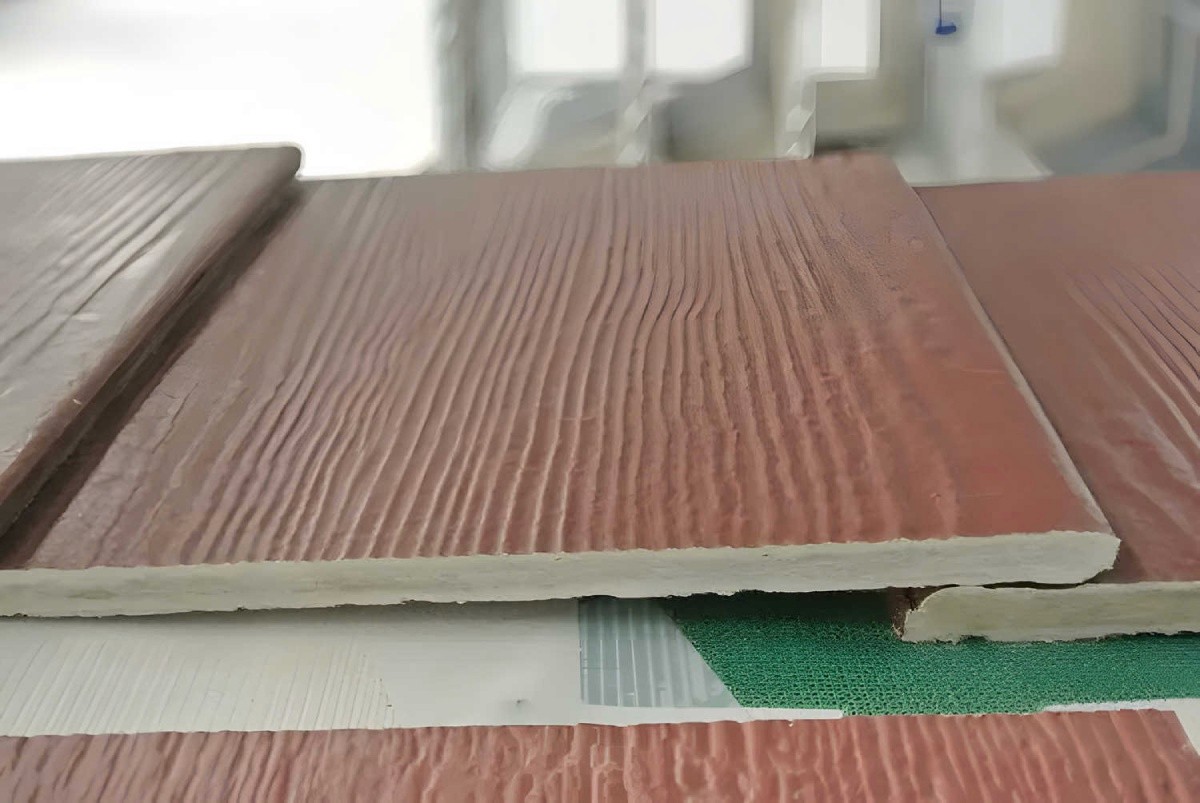
Fibre cement siding is a popular choice for building homes in Australia due to its durability and resistance to harsh weather conditions. Made from a mixture of cement, sand, and cellulose fibres, it offers a robust exterior finish. This material stands up well against termites, moisture, and fire, making it highly suitable for different climates.
Its versatility allows for various textures and appearances, resembling timber, stone, or brick. This makes fibre cement siding appealing to those looking to achieve a specific aesthetic without compromising on performance. It is also known for being low-maintenance, needing just occasional cleaning to maintain its appearance.
Fibre cement siding’s cost-effectiveness is another appealing factor, as it provides long-term value with its longevity. It also contributes to energy efficiency, helping to maintain stable indoor temperatures. Furthermore, it is an environmentally friendly option, as it requires fewer resources to produce compared to traditional materials.
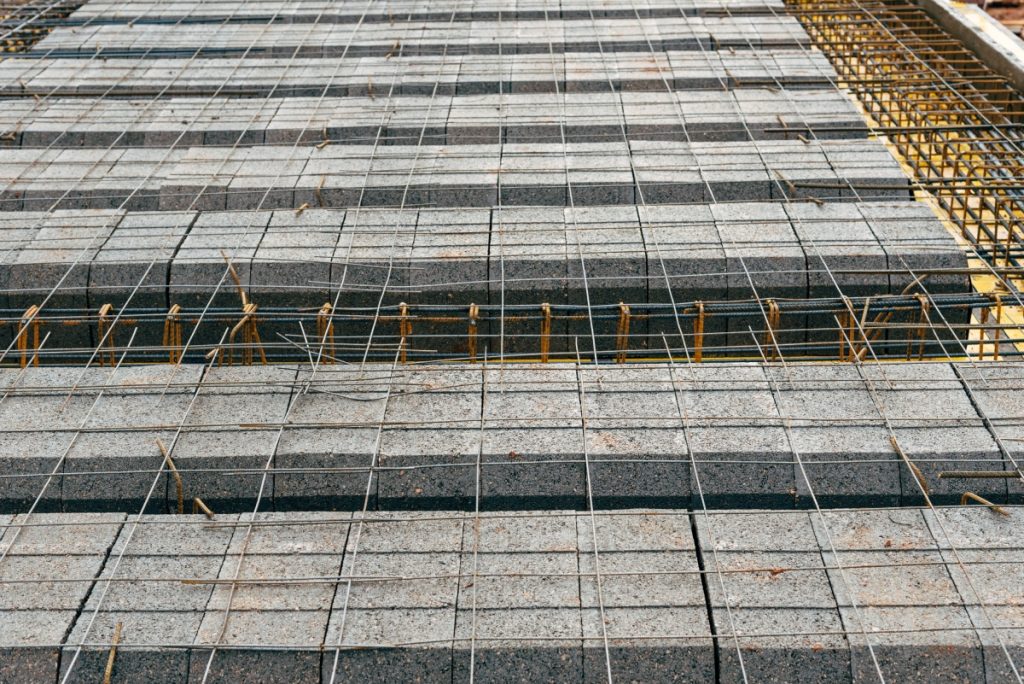
10) Concrete Slabs
Concrete slabs are a popular choice for house building in Australia due to their durability and strength. They provide a solid foundation for the structure, ensuring stability and long-term performance. Their thermal mass properties help in regulating indoor temperature, making homes more energy-efficient.
These slabs can be customised to accommodate different design preferences and site requirements. Builders often choose concrete slabs for their ability to withstand a variety of environmental conditions, such as harsh weather and ground movements. This adaptability makes them suitable for numerous building projects.
In addition to their practical benefits, concrete slabs offer a level surface that facilitates easier installation of flooring. They are fire-resistant, which enhances the overall safety of the building. Their low maintenance needs make them an economical option for homeowners over time.