HEMPCRETE
Learn about Hempcrete
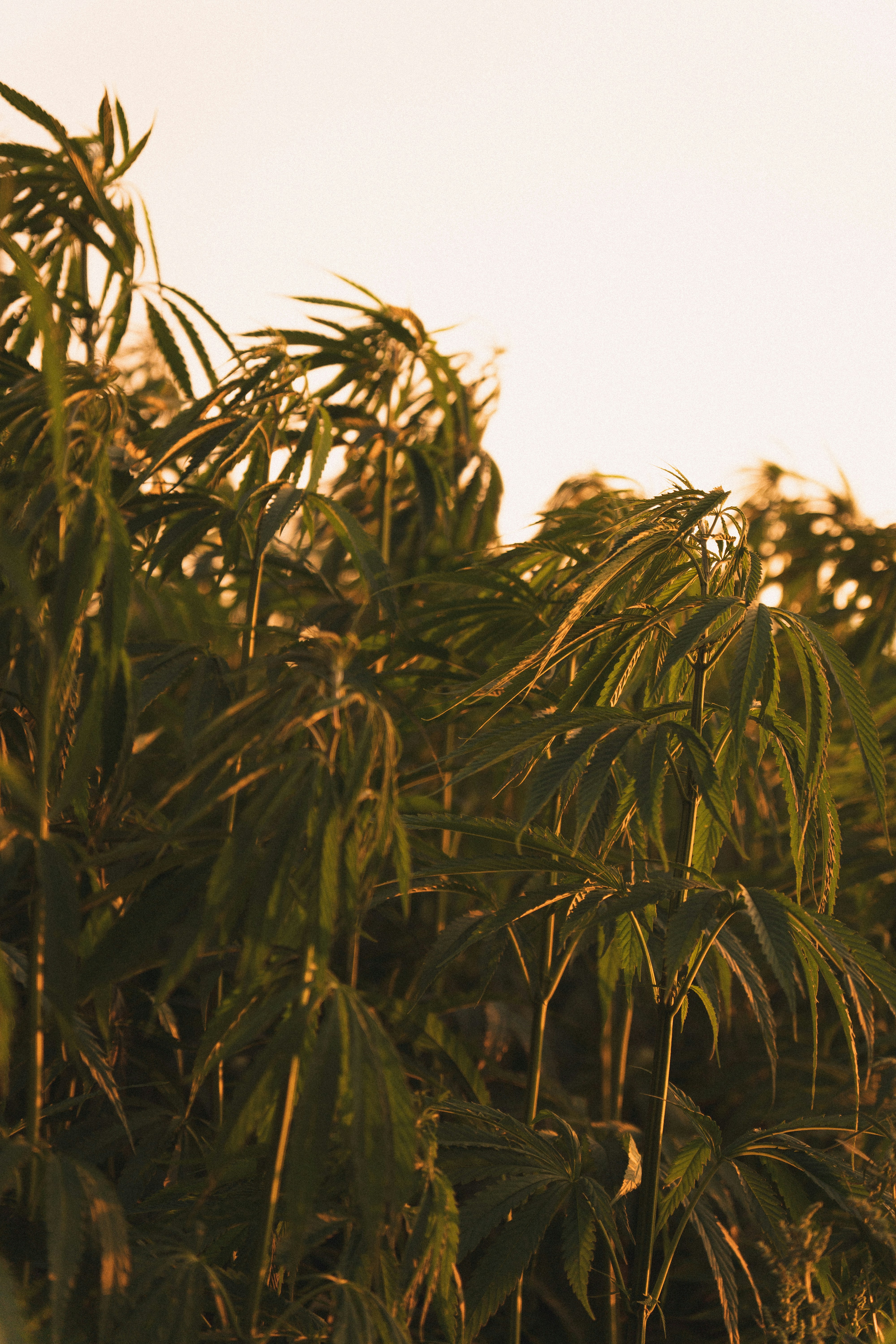
Hempcrete is a beautiful, renewable and healthy building material used in tens of thousands home world wide.
HEMPCRETE
Learn about Hempcrete
Hempcrete is a beautiful, renewable and healthy building material used in tens of thousands home world wide.
HEMPCRETE
Learn about Hempcrete
Hempcrete is a beautiful, renewable and healthy building material used in tens of thousands home world wide.
What is hempcrete?
Hempcrete is a natural building material made from three simple ingredients:
hemp hurd + lime binder + water.
When combined, they form a breathable, lightweight material that replaces traditional insulation and wall systems. Hempcrete regulates temperature and humidity, absorbs sound, and locks away carbon for the lifetime of the building.
What is hempcrete?
Hempcrete is a natural building material made from three simple ingredients:
hemp hurd + lime binder + water.
When combined, they form a breathable, lightweight material that replaces traditional insulation and wall systems. Hempcrete regulates temperature and humidity, absorbs sound, and locks away carbon for the lifetime of the building.
What is hempcrete?
Hempcrete is a natural building material made from three simple ingredients:
hemp hurd + lime binder + water.
When combined, they form a breathable, lightweight material that replaces traditional insulation and wall systems. Hempcrete regulates temperature and humidity, absorbs sound, and locks away carbon for the lifetime of the building.
Why choose it?
Breathable walls prevent trapped moisture, mould, and toxins.
Stable indoor temperature means less reliance on heating and cooling.
Hemp absorbs more CO₂ while growing than is released in construction.
Hempcrete hardens over time, becoming stronger and more durable.
Why choose it?
Breathable walls prevent trapped moisture, mould, and toxins.
Stable indoor temperature means less reliance on heating and cooling.
Hemp absorbs more CO₂ while growing than is released in construction.
Hempcrete hardens over time, becoming stronger and more durable.
Why choose it?
Breathable walls prevent trapped moisture, mould, and toxins.
Stable indoor temperature means less reliance on heating and cooling.
Hemp absorbs more CO₂ while growing than is released in construction.
Hempcrete hardens over time, becoming stronger and more durable.
Healthier indoor living
Energy efficiency & thermal comfort
Low-carbon, renewable construction
Fire, pest & mould resistance
What Does 'Breathable' Really Mean?
Natural building materials naturally absorb and release excess moisture, keeping your indoor environment balanced. This matters more than you might think—true comfort isn't just about temperature. It's about humidity levels. When moisture is properly managed, spaces feel warmer in winter and cooler in summer, even at the same temperature.
Why is that?
Moisture accelerates heat loss from your body. Think about that cold feeling after stepping out of a shower or swimming pool—that's moisture conducting heat away from your body. This is also why we have a sweat response, to expel heat.
One of hempcrete's most valuable qualities is its natural capacity to stabilise by expelling indoor humidity. While typical buildings suffer from fluctuating moisture levels, hempcrete walls consistently maintain balance. This creates living spaces that feel more comfortable, support better health, and experience fewer temperature variations.
Contemporary homes function like sealed boxes, trapping moisture from everyday activities—cooking, showering, even breathing. Most people don't realise that air conditioning systems exist partly to extract this excess humidity. This is called mechanical intervention and without it, mold inevitably develops. Picture leaving a closed refrigerator unplugged for a week—that's essentially what happens in modern homes without proper moisture management.
But where is the moisture arising?
Humans release 115-270 grams of water hourly just through breathing and perspiration—up to 6.5 kg daily. Add in cooking, bathing and condensation; you’ve created the perfect conditions for condensation and mold, the leading cause of structural deterioration in buildings today.
Hempcrete's natural breathability manages moisture without mechanical systems, maintaining indoor humidity between 40-60%—the range where humans naturally feel most comfortable. Spaces with balanced humidity feel pleasant and fresh, while excess moisture creates that familiar stuffy, uncomfortable atmosphere. With large numbers inside, this is why places like restaurants often feel stuffy, hence the desire to dine “al fresco”.
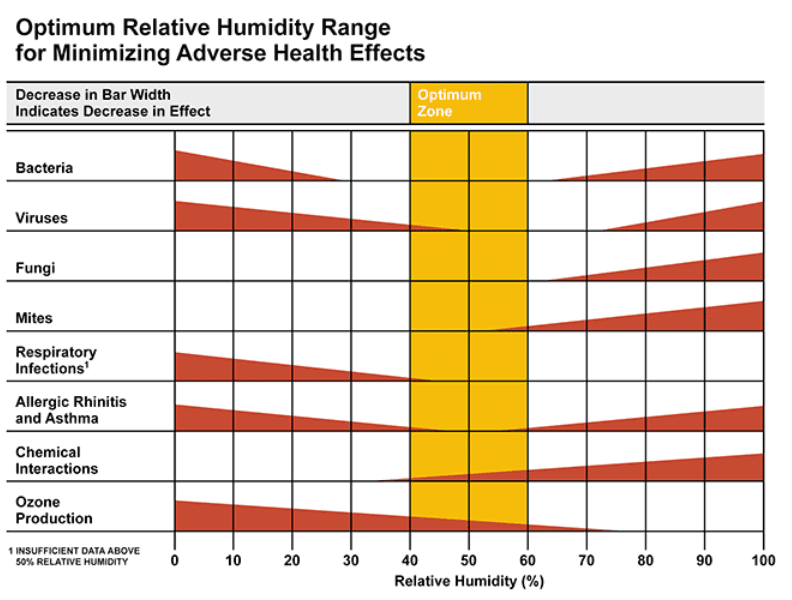
“The conditions which encourage the growth of bacteria, moulds etc which affect both human and building fabric health are the same. If relative humidity is kept at between 40 and 60% then none of these viruses, moulds, fungi, bacteria can survive”
- Neil May “Traditional Materials & Energy efficiency”
In Melbourne, outdoor humidity typically sits at 55.8% yearly, fluctuating from 48% during summer months to 67% in winter. Given that external conditions naturally fall within healthy ranges for humans, what's the logic behind creating impermeable barriers? These barriers don't protect us—they trap moisture generated indoors, allowing it to accumulate and potentially compromise our wellbeing.
What is the name for this phenomenon?
Sick building syndrome describes when time spent in a given building has a detrimental effect on one's health or comfort. Whether it’s physical issues such as headaches, skin, eyes, nose or throat irritations and asthma; or more just a general sense of stuffiness or chill. It is a phenomena which has become more and more prevalent as modern housing moves further from what we’re evolved to live with.
Common asthma triggers include dust mite waste, fungal growth thrive in spaces with poorly managed humidity levels. Furthermore, conventional paints, construction adhesives, and various chemical compounds off-gas more readily in these environments too.
Natural building systems like hempcrete tackle these issues head-on.
Unlike synthetic materials that release harmful chemicals over time, hempcrete actively improves air quality. It naturally absorbs and redistributes significant moisture volumes without degrading. The alkaline lime content provides inherent antimicrobial and antifungal properties, preventing unwanted biological growth.
By maintaining humidity within the optimal 40-60% range, hempcrete creates environments that residents consistently describe as naturally pleasant. In contrast, moisture-compromised buildings feel oppressively stale and uncomfortable.
Healthier indoor living
Energy efficiency & thermal comfort
Low-carbon, renewable construction
Fire, pest & mould resistance
What Does 'Breathable' Really Mean?
Natural building materials naturally absorb and release excess moisture, keeping your indoor environment balanced. This matters more than you might think—true comfort isn't just about temperature. It's about humidity levels. When moisture is properly managed, spaces feel warmer in winter and cooler in summer, even at the same temperature.
Why is that?
Moisture accelerates heat loss from your body. Think about that cold feeling after stepping out of a shower or swimming pool—that's moisture conducting heat away from your body. This is also why we have a sweat response, to expel heat.
One of hempcrete's most valuable qualities is its natural capacity to stabilise by expelling indoor humidity. While typical buildings suffer from fluctuating moisture levels, hempcrete walls consistently maintain balance. This creates living spaces that feel more comfortable, support better health, and experience fewer temperature variations.
Contemporary homes function like sealed boxes, trapping moisture from everyday activities—cooking, showering, even breathing. Most people don't realise that air conditioning systems exist partly to extract this excess humidity. This is called mechanical intervention and without it, mold inevitably develops. Picture leaving a closed refrigerator unplugged for a week—that's essentially what happens in modern homes without proper moisture management.
But where is the moisture arising?
Humans release 115-270 grams of water hourly just through breathing and perspiration—up to 6.5 kg daily. Add in cooking, bathing and condensation; you’ve created the perfect conditions for condensation and mold, the leading cause of structural deterioration in buildings today.
Hempcrete's natural breathability manages moisture without mechanical systems, maintaining indoor humidity between 40-60%—the range where humans naturally feel most comfortable. Spaces with balanced humidity feel pleasant and fresh, while excess moisture creates that familiar stuffy, uncomfortable atmosphere. With large numbers inside, this is why places like restaurants often feel stuffy, hence the desire to dine “al fresco”.
“The conditions which encourage the growth of bacteria, moulds etc which affect both human and building fabric health are the same. If relative humidity is kept at between 40 and 60% then none of these viruses, moulds, fungi, bacteria can survive”
- Neil May “Traditional Materials & Energy efficiency”
In Melbourne, outdoor humidity typically sits at 55.8% yearly, fluctuating from 48% during summer months to 67% in winter. Given that external conditions naturally fall within healthy ranges for humans, what's the logic behind creating impermeable barriers? These barriers don't protect us—they trap moisture generated indoors, allowing it to accumulate and potentially compromise our wellbeing.
What is the name for this phenomenon?
Sick building syndrome describes when time spent in a given building has a detrimental effect on one's health or comfort. Whether it’s physical issues such as headaches, skin, eyes, nose or throat irritations and asthma; or more just a general sense of stuffiness or chill. It is a phenomena which has become more and more prevalent as modern housing moves further from what we’re evolved to live with.
Common asthma triggers include dust mite waste, fungal growth thrive in spaces with poorly managed humidity levels. Furthermore, conventional paints, construction adhesives, and various chemical compounds off-gas more readily in these environments too.
Natural building systems like hempcrete tackle these issues head-on.
Unlike synthetic materials that release harmful chemicals over time, hempcrete actively improves air quality. It naturally absorbs and redistributes significant moisture volumes without degrading. The alkaline lime content provides inherent antimicrobial and antifungal properties, preventing unwanted biological growth.
By maintaining humidity within the optimal 40-60% range, hempcrete creates environments that residents consistently describe as naturally pleasant. In contrast, moisture-compromised buildings feel oppressively stale and uncomfortable.
Healthier indoor living
Energy efficiency & thermal comfort
Low-carbon, renewable construction
Fire, pest & mould resistance
What Does 'Breathable' Really Mean?
Natural building materials naturally absorb and release excess moisture, keeping your indoor environment balanced. This matters more than you might think—true comfort isn't just about temperature. It's about humidity levels. When moisture is properly managed, spaces feel warmer in winter and cooler in summer, even at the same temperature.
Why is that?
Moisture accelerates heat loss from your body. Think about that cold feeling after stepping out of a shower or swimming pool—that's moisture conducting heat away from your body. This is also why we have a sweat response, to expel heat.
One of hempcrete's most valuable qualities is its natural capacity to stabilise by expelling indoor humidity. While typical buildings suffer from fluctuating moisture levels, hempcrete walls consistently maintain balance. This creates living spaces that feel more comfortable, support better health, and experience fewer temperature variations.
Contemporary homes function like sealed boxes, trapping moisture from everyday activities—cooking, showering, even breathing. Most people don't realise that air conditioning systems exist partly to extract this excess humidity. This is called mechanical intervention and without it, mold inevitably develops. Picture leaving a closed refrigerator unplugged for a week—that's essentially what happens in modern homes without proper moisture management.
But where is the moisture arising?
Humans release 115-270 grams of water hourly just through breathing and perspiration—up to 6.5 kg daily. Add in cooking, bathing and condensation; you’ve created the perfect conditions for condensation and mold, the leading cause of structural deterioration in buildings today.
Hempcrete's natural breathability manages moisture without mechanical systems, maintaining indoor humidity between 40-60%—the range where humans naturally feel most comfortable. Spaces with balanced humidity feel pleasant and fresh, while excess moisture creates that familiar stuffy, uncomfortable atmosphere. With large numbers inside, this is why places like restaurants often feel stuffy, hence the desire to dine “al fresco”.
“The conditions which encourage the growth of bacteria, moulds etc which affect both human and building fabric health are the same. If relative humidity is kept at between 40 and 60% then none of these viruses, moulds, fungi, bacteria can survive”
- Neil May “Traditional Materials & Energy efficiency”
In Melbourne, outdoor humidity typically sits at 55.8% yearly, fluctuating from 48% during summer months to 67% in winter. Given that external conditions naturally fall within healthy ranges for humans, what's the logic behind creating impermeable barriers? These barriers don't protect us—they trap moisture generated indoors, allowing it to accumulate and potentially compromise our wellbeing.
What is the name for this phenomenon?
Sick building syndrome describes when time spent in a given building has a detrimental effect on one's health or comfort. Whether it’s physical issues such as headaches, skin, eyes, nose or throat irritations and asthma; or more just a general sense of stuffiness or chill. It is a phenomena which has become more and more prevalent as modern housing moves further from what we’re evolved to live with.
Common asthma triggers include dust mite waste, fungal growth thrive in spaces with poorly managed humidity levels. Furthermore, conventional paints, construction adhesives, and various chemical compounds off-gas more readily in these environments too.
Natural building systems like hempcrete tackle these issues head-on.
Unlike synthetic materials that release harmful chemicals over time, hempcrete actively improves air quality. It naturally absorbs and redistributes significant moisture volumes without degrading. The alkaline lime content provides inherent antimicrobial and antifungal properties, preventing unwanted biological growth.
By maintaining humidity within the optimal 40-60% range, hempcrete creates environments that residents consistently describe as naturally pleasant. In contrast, moisture-compromised buildings feel oppressively stale and uncomfortable.
Your healthy home could start with a conversation.
From concept to finalised project, we can support you along the whole journey.
Your healthy home could start with a conversation.
From concept to finalised project, we can support you along the whole journey.
Your healthy home could start with a conversation.
From concept to finalised project, we can support you along the whole journey.
It all starts with hemp
Choosing hemp-based, breathable wall systems isn’t just a design decision — it’s a building philosophy. Unlike conventional construction that seals a home tight and hides moisture problems inside the walls, natural materials actively manage heat and humidity. They create a stable indoor climate, reduce reliance on heating and cooling systems, and deliver long-term durability.
Hemp construction is quickly becoming the future of sustainable building in Australia. It performs exceptionally in both warm and cool climates, stores carbon rather than emitting it, and promotes healthier living environments. Whether you’re renovating or building new, hempcrete and breathable wall systems offer a smarter path toward energy efficiency and long-lasting comfort.
It all starts with hemp
Choosing hemp-based, breathable wall systems isn’t just a design decision — it’s a building philosophy. Unlike conventional construction that seals a home tight and hides moisture problems inside the walls, natural materials actively manage heat and humidity. They create a stable indoor climate, reduce reliance on heating and cooling systems, and deliver long-term durability.
Hemp construction is quickly becoming the future of sustainable building in Australia. It performs exceptionally in both warm and cool climates, stores carbon rather than emitting it, and promotes healthier living environments. Whether you’re renovating or building new, hempcrete and breathable wall systems offer a smarter path toward energy efficiency and long-lasting comfort.
It all starts with hemp
Choosing hemp-based, breathable wall systems isn’t just a design decision — it’s a building philosophy. Unlike conventional construction that seals a home tight and hides moisture problems inside the walls, natural materials actively manage heat and humidity. They create a stable indoor climate, reduce reliance on heating and cooling systems, and deliver long-term durability.
Hemp construction is quickly becoming the future of sustainable building in Australia. It performs exceptionally in both warm and cool climates, stores carbon rather than emitting it, and promotes healthier living environments. Whether you’re renovating or building new, hempcrete and breathable wall systems offer a smarter path toward energy efficiency and long-lasting comfort.